






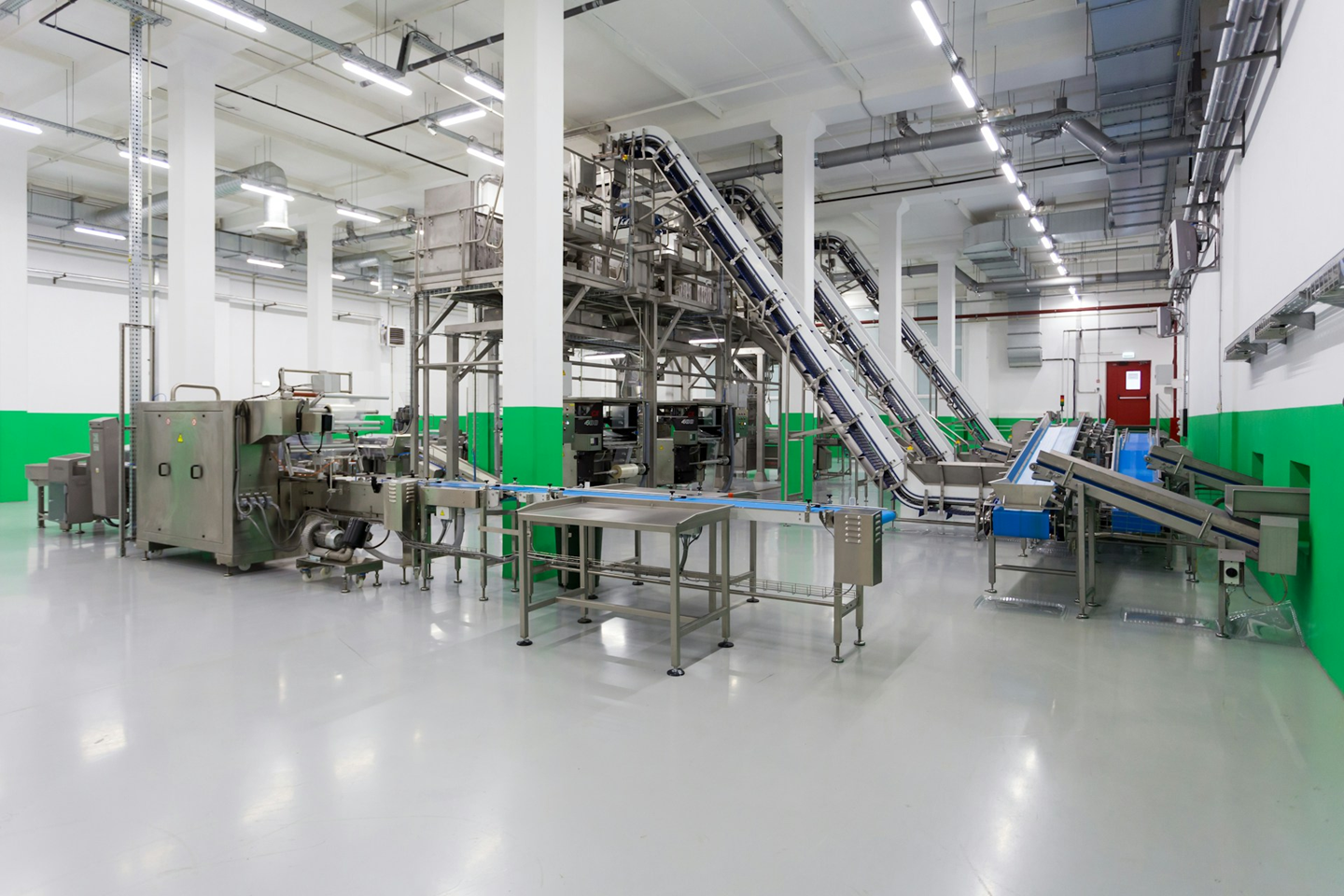
Healthcare access begins long before a drug reaches a pharmacy. Microscopic contamination on the factory floor or a minor deviation in a device component can endanger treatment safety. Patients can then be left waiting for vital care as batches are rejected and production is stopped.
Precision in pharmaceutical and medical device manufacturing helps maintain the reliable supply of treatments that health systems around the world depend on.
Why Quality Must Be Built Into the Manufacturing Process
A batch can pass laboratory testing even when defects remain in units that were not sampled. Testing is still necessary, but it cannot replace control over how a product is manufactured. This is particularly important for sterile medicines because contamination may affect only part of a production batch.
The FDA explains that manufacturers typically test only a small sample of each batch, leaving most units available for patients. A passing test result therefore does not establish that every vial meets quality requirements. Biological products can also be sensitive to processing conditions, making consistent manufacturing controls crucial.
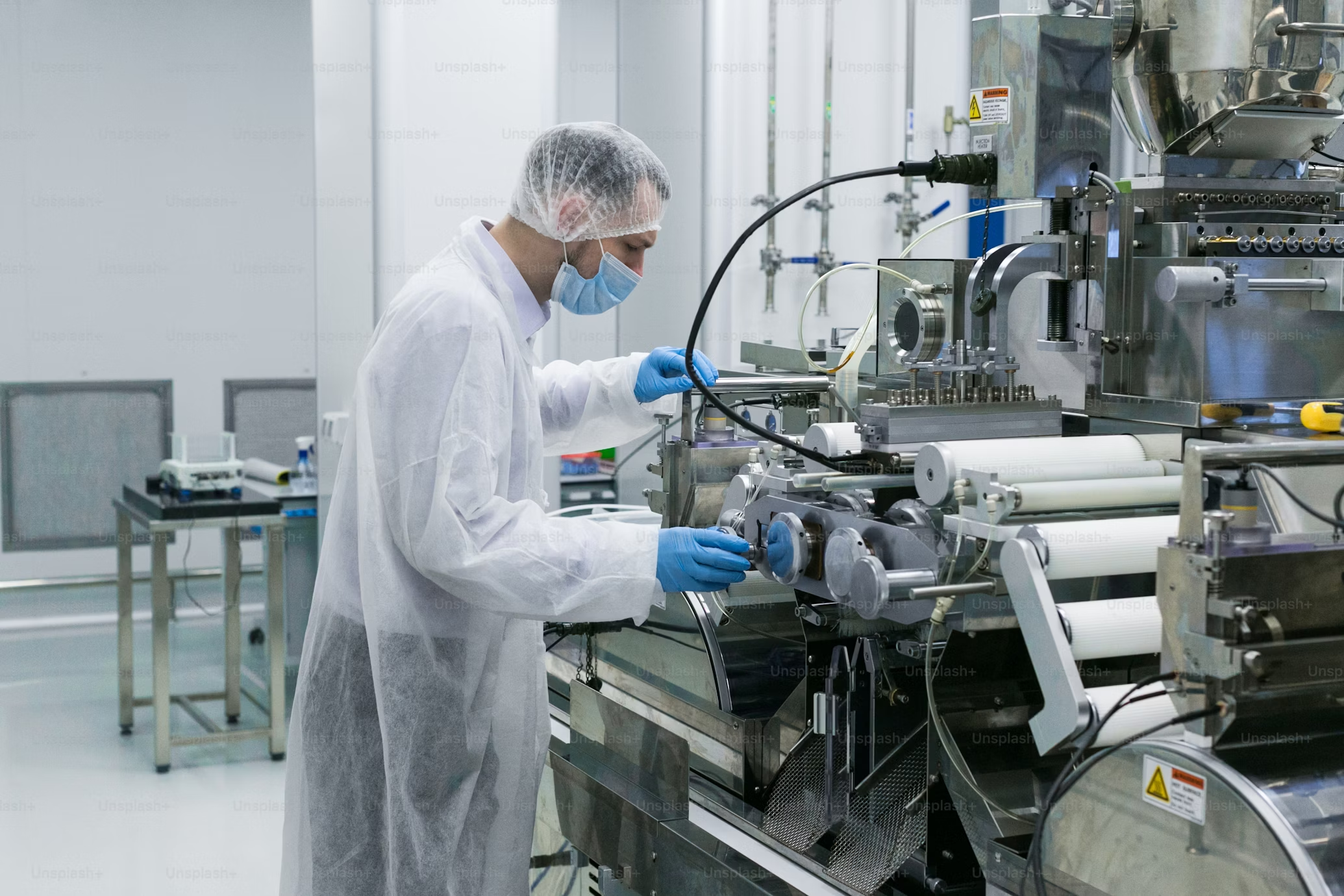
Pharmaceutical quality assurance addresses these limitations by building safeguards into each manufacturing step. Equipment must be maintained and calibrated, while staff need clear procedures supported by adequate training. Manufacturers must also investigate deviations to determine whether a process has moved outside its established limits.
These measures help teams detect problems before affected products leave the facility. They also support repeatable production, reducing the risk that an unexpected failure will disrupt supply. For health systems that depend on routine deliveries, preventing manufacturing defects helps keep treatments available and reduces the risk of unsafe products reaching patients.
How Clean Rooms Protect Product Quality
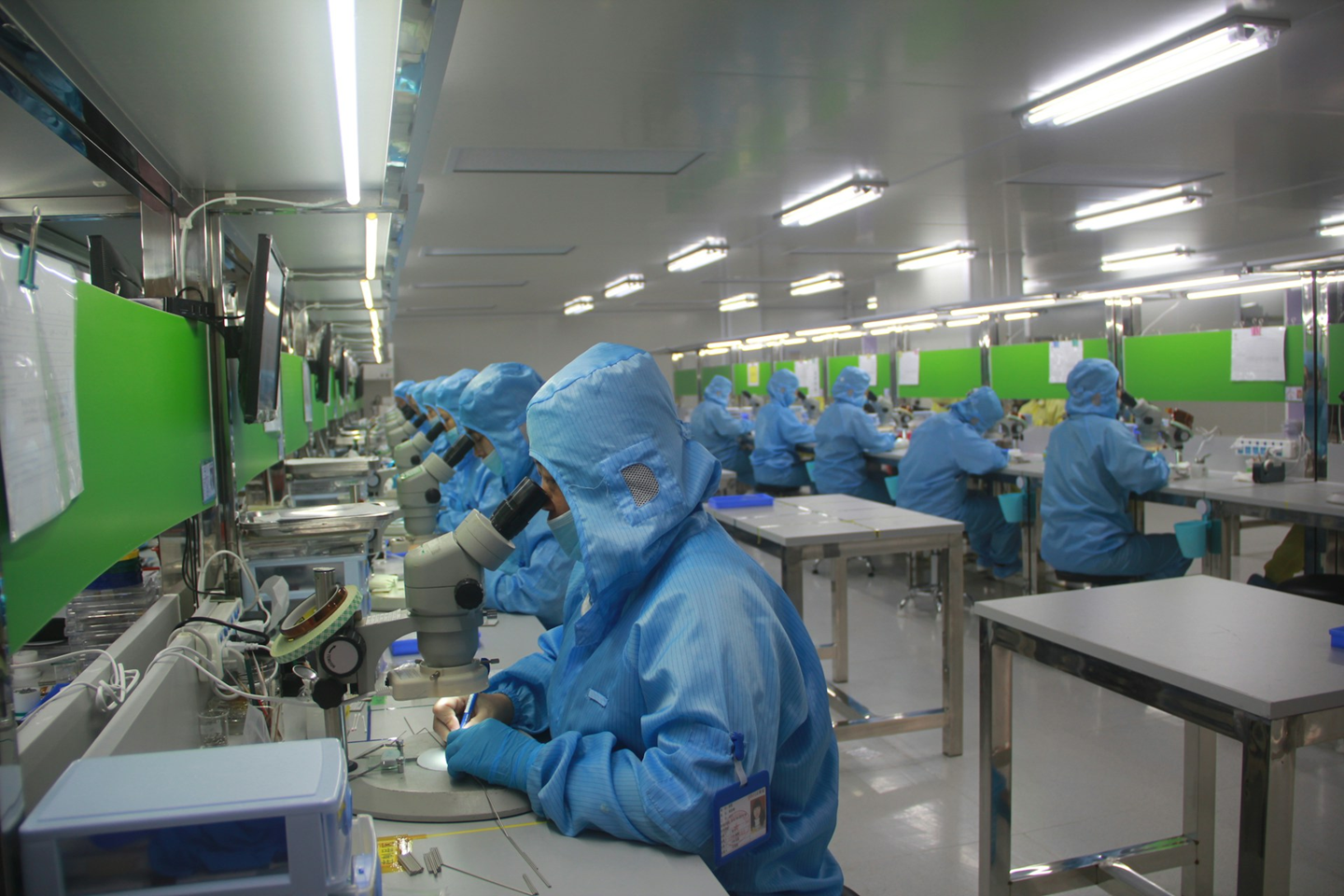
The environment surrounding a production line can affect product quality. During pharmaceutical and medical device manufacturing, airborne particles can contaminate exposed materials. For sterile medicines, filling and sealing containers creates another stage where contamination must be prevented.
Clean rooms reduce these risks through controlled conditions. Filtered air helps remove particles, while pressure differences help limit contamination entering from less clean areas. Manufacturers also monitor bioburden (the population of microorganisms on a material or product) to assess contamination risks and the effectiveness of cleaning procedures.
Temperature and humidity also require careful control. Clean room practices include controlling temperature, humidity, and airborne particles to support consistent manufacturing. Appropriate limits depend on the product and manufacturing process. Stable conditions help protect sensitive formulations and maintain material properties throughout production.
These safeguards make environmental consistency an essential part of pharmaceutical manufacturing quality. A clean room does not automatically make a product sterile. Instead, it supports the validated processes needed to prevent contamination or achieve sterility.
Maintaining these conditions helps manufacturers avoid preventable batch losses that could interrupt deliveries to healthcare providers.
How Manufacturing Failures Lead to Medicine Shortages
Rejecting a production batch protects patients from potentially unsafe drugs, but it also removes stock that healthcare providers expected to receive. If an investigation finds a larger problem, manufacturers may have to shut down a production line while they investigate the cause and verify corrective measures. Replacing the lost output takes time.
The effects can be felt far beyond the facility. FDA data show that quality issues and manufacturing delays accounted for 42% of drugs newly in shortage in the United States between 2022 and 2024. This illustrates how manufacturing performance can affect treatment availability across a national health system.
Limited reserve inventory reduces the ability of supply chains to absorb these interruptions. If a drug is made by only a handful of producers, other companies may lack the equipment or spare capacity to fill the gap quickly. A disruption at a plant supplying multiple countries could also hinder cross-border procurement.
Healthcare providers may then need to source alternatives or modify treatment schedules, depending on clinical needs and available supplies. Maintaining precise, consistent production helps reduce preventable interruptions before they become shortages that affect patient care.
The Human Cost of Manufacturing Failures
If a drug contains too little active ingredient, patients may not receive effective treatment. Too much can increase the risk of toxicity, while contamination can introduce hazards unrelated to the illness being treated. These failures can turn a product meant to support recovery into a source of harm.
In January 2023, the World Health Organization reported that contaminated children’s cough syrups were associated with more than 300 deaths across three countries, with most deaths occurring among children under 5. WHO urged manufacturers to buy pharmaceutical-grade ingredients from qualified suppliers and test incoming materials before using them in production.
The consequences can be harder to manage when health systems have limited resources for product testing and regulatory oversight. When medicines are unavailable or unaffordable, patients may turn to informal suppliers, increasing their exposure to substandard or falsified products. Reliable access therefore depends on both sufficient supply and assurance that each treatment meets quality standards.
Precision Supports Reliable Healthcare Access
Manufacturing conditions can affect treatment availability thousands of miles away. Clean room controls and precise production processes help prevent defects that lead to rejected batches and interrupted deliveries. Investing in manufacturing precision and strong quality systems helps protect patients while supporting reliable global supply networks.
These systems form essential healthcare infrastructure, helping keep medicines and medical devices safe and available when patients need them.