






When it comes to traditional patient identification methods, hospitals use a set of tried-and-true practices, often involving fields like name, date of birth, and medical record number. While this approach is largely effective, it fails to meet the needs of one of the most vulnerable segments of the population: newborns.
There are many reasons for this. For one thing, many infants share a last name with siblings or, in the case of twins, even a birthday. In many cases, they will not even have first names yet, getting charted as “Baby Boy” or “Baby Girl” along with the mother’s surname.
Neonatal nurse practitioners serve as a safeguard designed to close gaps in neonatal care. In this article, we take a look at what neonatal care reveals about the limitations of traditional patient identification methods and what is being done about it.
Why Standard ID Methods Exist
First of all, before we dump on patient identification techniques in the context of newborns, it’s important to highlight what traditional identification methods get right.
The two-identifier rule is a patient safety guardrail requiring providers to confirm a patient’s identity through two unique identifiers. This identification needs to take place before any medication, procedure, or feeding can be administered.
This works well enough with most patients. Adults can state their own names. Wristbands can verify information, and so on. The method is sound in most cases. It simply doesn’t work in a neonatal context.
Where the System Breaks Down in Neonatal Care
As mentioned, one of the first restricting qualities of neonatal care in the context of patient identification is the name itself. Newborn babies do not always have names the moment they are born. Even those that do may not have them officially recorded on a birth certificate at the time care needs to be administered.
Due to the nature of neonatal care, there may also be shared identifiers. For example, while the likelihood of two adults having the same birthday on a hospital floor is relatively limited, that chance is actually astronomically high in the neonatal world.
Adding to the complexity of the problem is that newborns cannot assist in their own identification at all. They are nonverbal as a rule, and they have no knowledge of their own identity, no matter what new parents may think.
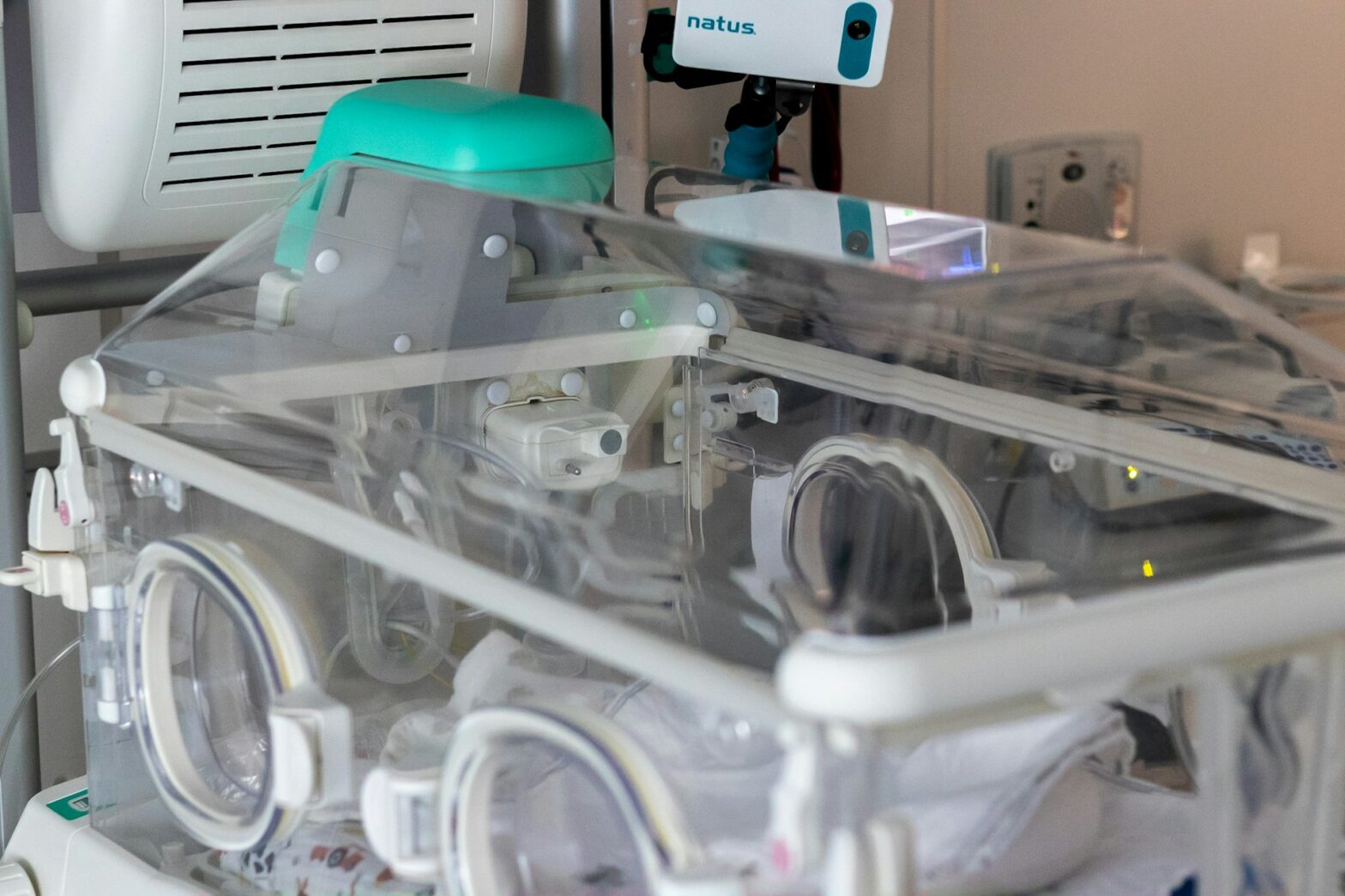
It’s also true that babies share many common physical attributes that can make it difficult to distinguish between them. It doesn’t help either that NICU infants are moved around frequently between incubators, procedure rooms, parents, and so on. All of this contact amplifies the potential for human mistakes.
So why aren’t there constant disasters on the neonatal floor?
Enter the Nurse Practitioner
Nurse practitioners make good use of the technology and policies designed to protect sensitive and vulnerable patients.
First, let’s take a look at what an NNP actually is. An NNP is a registered nurse with an advanced graduate education and a national certification specifically focused on neonatal care.
Neonatal nurse practitioners are qualified to assess, diagnose, and manage care plans for newborns. The training naturally matters a lot. NNP programs include extensive coursework and clinical hours specifically focused on patient safety protocols designed for the high-risk patients found in the NICU.
During this training, extra identity verification procedures are taught. NNPs learn how to match an infant’s band number to bassinet cards and mother bands at every interaction. This two-person verification approach eliminates significant amounts of risk during transfers or medication administration.
There are still higher-risk categories, as is the case in multiple-birth scenarios, but even these are accounted for by processes tailored to the specific needs of infants.
Technology definitely does still play a role. Wristband scanners and biometric data points help a lot, but they can’t replace human discernment.
The Broader Lesson for Healthcare Identification Practices
Healthcare identification is a tricky and generally underemphasised aspect of care. Patients probably don’t think about it at all. They worry about the type of treatment they will receive, the bedside manner of their physicians. Certainly, they’ll fret over the looming bill. They won’t worry very much that the hospital doesn’t know who they are.
The fact of the matter is that healthcare systems deal with an incredible amount of information, and even small mistakes in the wrong direction can have enormous consequences. No, misidentification shouldn’t happen, but it is a reasonable expression of human error that can and will sometimes take place.
The neonatal context amplifies a problem that exists in every branch of medicine. The good news is that hospitals are aware of these problems and work hard to address them. While not every hospital unit needs the same level of care and concern toward identification that is demonstrated in the neonatal unit, redundancy and specificity remain important factors in the world of healthcare.
What’s more, the professional context also bears further consideration. Nurse practitioners don’t just work on neonatal wards. They play important roles in ensuring quality of care across healthcare systems.
Conclusion
Healthcare identification is and will remain an important consideration not just in neonatal units but healthcare as a whole.
If you’re interested in a career path that allows you to help address this and other quality-of-care concerns within the world of medicine, consider advanced practice nursing roles. Positions like that of the neonatal nurse practitioner allow caring professionals to work with patients at a high level.
NPs hold many of the same responsibilities as physicians. What’s more, the neonatal nurse practitioner’s salary is extremely competitive while allowing them to do work that genuinely makes a difference in their communities.