







This exclusive interview with Sarah Stephenson was conducted by Tabish Ali of the Motivational Speakers Agency.
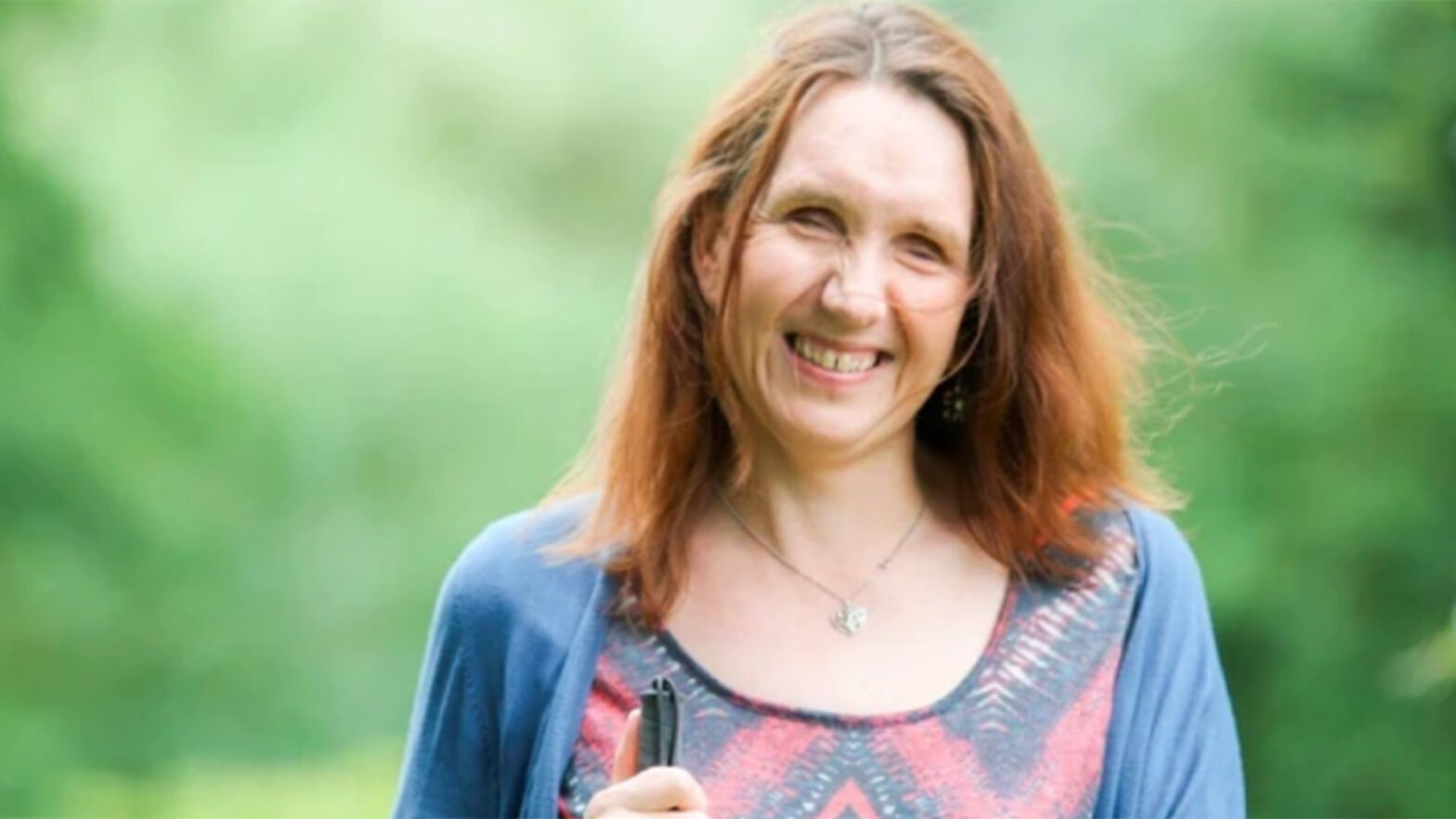
Running the London Marathon as a blind athlete taught Sarah Stephenson two lessons: keep taking the next step and know when to ask for help. Both have shaped her understanding of resilience, leadership and the challenges people face when navigating change.
A former Interim Joint Head of Equality and Diversity at the University of Oxford and Founder of Seeing Things Differently, Sarah draws on her experiences of sight loss, gender transition and more than 20 years working in inclusion to challenge conventional thinking about identity, purpose and belonging.
Speaking exclusively to London Keynote Speakers Agency, Sarah explains why resilience sometimes means knowing when to rest, how personal purpose evolves through life, and what organisations stand to lose when employees feel they must hide parts of themselves at work.
Question 1. How have your experiences with gender transition, sight loss and career changes influenced your understanding of personal identity and purpose?
Sarah Stephenson: “My lived experience, having undergone gender transition, having lived as a blind person and gone through various career changes, showed me that purpose isn’t a final destination.
“Purpose changes as you go through your life and career. It’s about adapting to that purpose, being flexible and maintaining that commitment to what you feel is your core purpose in life or work.”
Question 2. How do you define resilience when returning to how things were before is no longer possible?
Sarah Stephenson: “We have this understanding that resilience is about being tough, staying strong and battling forward.
“For me, resilience is about coping with things in everyday life.
“Some days, being resilient means you have to be strong, tough and dig deep. Other times, it’s about saying, “To be resilient today, I need to rest,” whether that’s physical rest or psychological rest.
“Resilience is about coping with the situation you’re in.
“I think of resilience as carrying on when there’s nowhere to bounce back to.”
Question 3. What did running the London Marathon as a blind runner teach you about perseverance, managing pressure and asking for support?
Sarah Stephenson: “It taught me never to do a marathon!
“I did enjoy running the marathon.
“In terms of lessons learned about keeping calm under pressure, it was about the decision to keep going.
“There are moments in life and work when we feel under pressure, when it’s easy to think, “Oh God, I can’t do this anymore.”
“In those moments, it’s about the decisions you take every moment.
“In the case of a marathon, it’s putting one foot in front of the other and keeping going. In work and life, it’s about taking that next step.
“It also taught me that in order to cope under pressure, you need help from others.
“I’m a blind runner. I couldn’t have run the marathon without a guide and other people supporting me.
“In life, whilst we can be strong as individuals, we shouldn’t be scared to ask for support and help from people. In fact, we need to.”
Question 4. How does feeling unable to express one’s identity at work affect psychological safety, creativity and organisational performance?
Sarah Stephenson: “For me, identity is about who you are, where you are, in whatever context.
“If you’re in a workplace where you feel you have to hide part of who you are, or leave certain parts of your identity at the metaphorical door when you go into work, that makes you feel more anxious about speaking up, sharing ideas and having creative thoughts.
“If you’re in an organisation where people don’t feel able to be themselves, you’re losing out on creativity and all sorts of fantastic things that people can bring when they’re able to go to work and show up as their true selves.”