





How Critical Temperature Standards Are Maintained in Pharmaceutical Production
Precise temperature control is vital throughout drug manufacturing, from raw material storage to finished-product handling. Even minor fluctuations during pharmaceutical production can alter chemical stability and reduce product potency.
Over time, these changes may compromise overall quality, which makes consistent temperature management essential at every stage. Reliable monitoring and control systems help manufacturers keep sensitive materials within their required temperature ranges.
Why Temperature Standards Matter in Pharmaceutical Production
Pharmaceutical ingredients, vaccines and finished medicines can respond differently when temperatures move outside validated ranges. Most routine vaccines require storage between 2° and 8° Celsius because improper conditions can reduce their ability to trigger an effective immune response.
Excessive heat can accelerate chemical degradation, while temperatures that fall too low may damage certain formulations or sensitive biological materials. Following pharmaceutical temperature standards helps manufacturers preserve product stability and potency throughout production and storage. Consistent temperature control also supports patient safety and helps operators meet regulatory requirements for pharmaceutical quality.
How Pharmaceutical Manufacturers Maintain Critical Temperatures
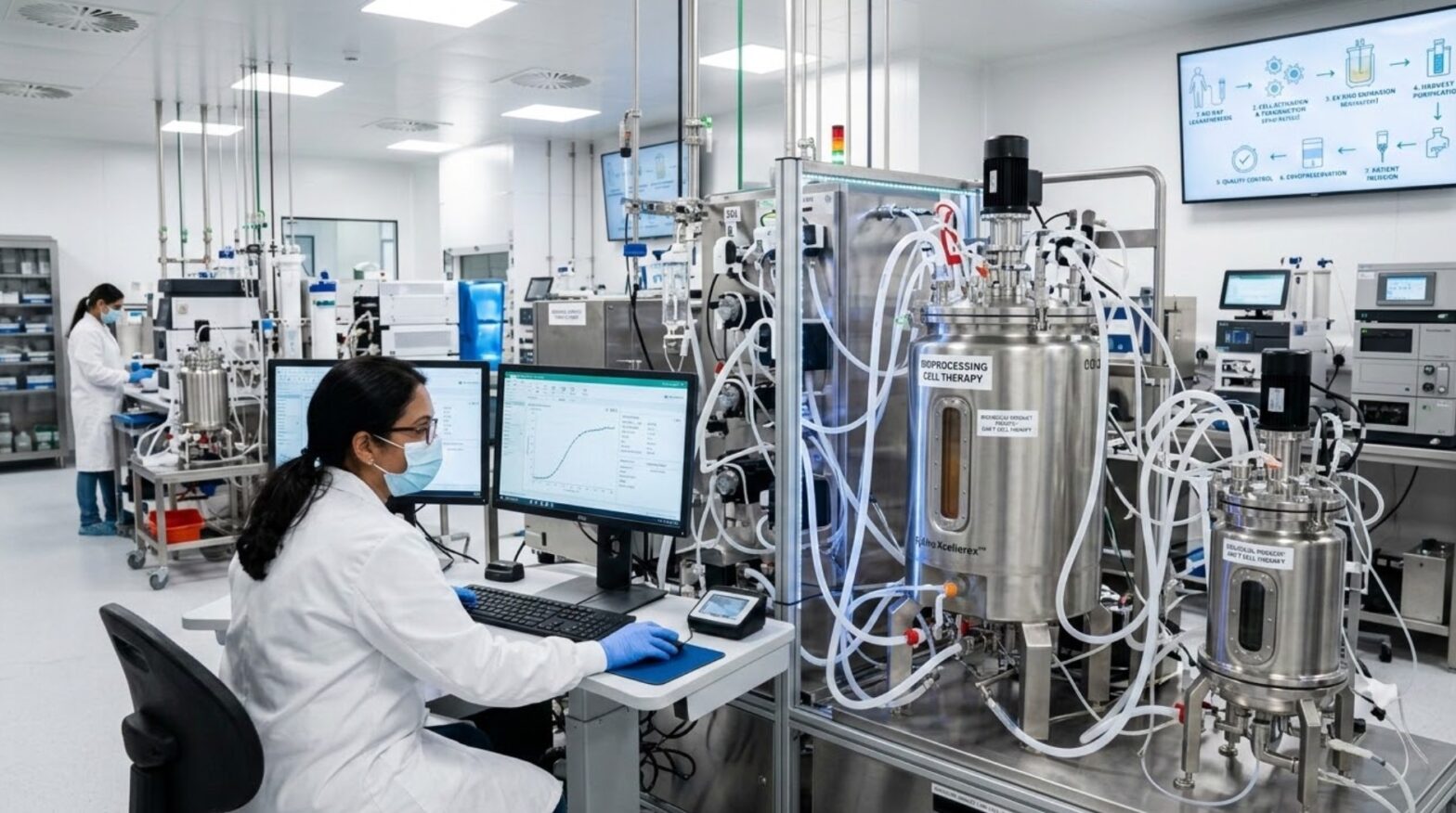
Producers establish temperature limits for each production and transportation process based on product stability and validated operating conditions. During formulation and fermentation, systems for heating, cooling and thermal transfer keep temperatures within approved ranges. Automated controls can also adjust these systems as conditions change, limiting fluctuations that could affect product quality.
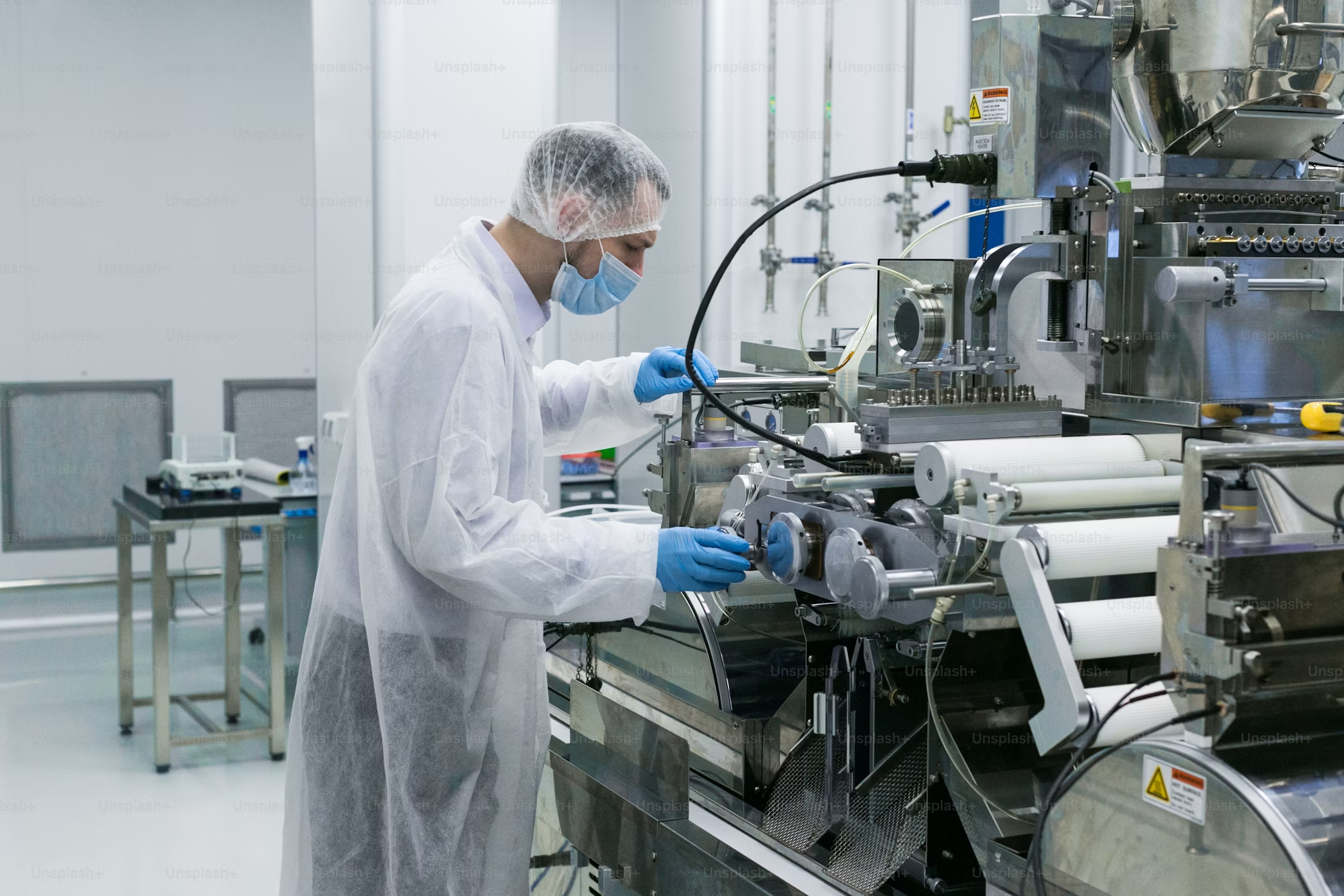
Equipment qualification confirms that temperature-control systems perform as intended, while routine testing and calibration help detect inaccurate readings or equipment failures. Regular maintenance provides another safeguard against unexpected disruptions. Operators also maintain documentation and electronic records of temperature readings and deviations, which provide traceability during quality reviews and regulatory inspections.
Which Medtech Innovations and Equipment Support Pharmaceutical Temperature Control?
Modern pharmaceutical facilities rely on specialized technologies to maintain precise temperatures across production and storage processes. Medtech innovations and equipment help manufacturers improve temperature control and reliability.
Pharmaceutical Heat Exchangers
Heat exchangers transfer thermal energy between separate fluids without allowing them to mix, providing controlled heating or cooling. Material selection is important in these machines as it affects corrosion resistance, temperature tolerance and product purity. For example, aluminum heat exchangers offer strong yet lightweight construction, natural protective oxide layers and high thermal conductivity.
During pharmaceutical production, heat exchangers keep process fluids within precise temperature ranges as manufacturing conditions change. Sanitary designs with cleanable surfaces and carefully engineered connections also support hygienic processing. These features can reduce contamination risks while improving temperature consistency.
Continuous Temperature Monitoring Systems
Networks of connected sensors track temperatures across production areas and storage rooms. These systems collect temperature data continuously, giving producers a clear view of changing conditions. Centralized monitoring platforms can also consolidate readings from multiple locations into a single system for easier oversight.
To support pharmaceutical temperature standards, continuous monitoring provides real-time visibility rather than relying solely on periodic manual measurements. Automated alerts help personnel identify temperature deviations quickly and respond before they affect product quality. Recorded sensor data also creates a temperature history that operators can use for quality reviews and process improvements.
IoT-Enabled Temperature Sensors
Connected internet of things (IoT) sensors automatically transmit temperature readings to centralized monitoring platforms, providing pharmaceutical teams with continuous access to cold-chain conditions. IoT-enabled cold-storage systems can reduce vaccine spoilage by up to 15% by improving visibility throughout storage and GPS-tracked transportation. These technologies maintain a consistent log with location data alongside temperature readings.
Remote access allows teams to identify temperature changes and equipment issues earlier, even when personnel are away from monitored areas. Connected platforms can bring production, storage and quality-control data together to create a complete view of product conditions. This integration supports faster responses when temperature readings move outside established limits.
Automated Process Control Systems
Programmable logic controllers and distributed control systems use real-time sensor measurements to automatically regulate heating and cooling equipment. When temperatures shift from established targets, these systems can adjust valves and pumps to restore the required conditions. Continuous feedback allows equipment to respond as process conditions change.
During pharmaceutical production, automated controls maintain tighter temperature ranges throughout sensitive processes such as mixing, fermentation and formulation. This rapid response lessens reliance on manual adjustments while promoting greater consistency across production batches. Automated systems can also record process data, giving quality teams greater visibility into temperature performance.
Ultra-Low-Temperature Freezers
Ultra-low-temperature freezers protect temperature-sensitive biological materials, research samples and pharmaceutical products that require conditions far below standard refrigeration ranges. Modern models can reach -80° Celsius while maintaining temperature stability. They often use multistage cooling methods, including cascade refrigeration or free-piston engine technology, to achieve stable temperatures.
Maintaining pharmaceutical temperature standards also requires safeguards against unexpected equipment or power problems. Continuous monitoring systems track internal conditions and can alert personnel when temperatures move outside acceptable ranges. Meanwhile, backup power and redundant cooling measures provide additional protection, helping facilities preserve valuable materials during disruptions.
What Identifies Temperature Excursions and Equipment Failures?
Alarm systems alert personnel when temperatures exceed established limits, allowing teams to respond before abnormal thermal variations cause further disruption. When deviations occur, quality teams investigate the duration, severity and potential effects on product potency and safety.
Recorded temperature data provides a detailed timeline of each event and the conditions surrounding it. Quality teams can compare these records with validated stability limits to determine whether affected products remain suitable for use or require disposal. These findings can also guide corrective actions that reduce the risk of similar temperature variations in the future.
When Pharmaceutical Temperature Management Matters
Temperature standards support consistent pharmaceutical quality by protecting sensitive materials and finished products throughout manufacturing and storage. Connected sensors, automation and real-time analytics help teams prevent temperature excursions during pharmaceutical production by detecting and addressing changing conditions sooner.
Combining validated processes with advanced temperature-control equipment helps manufacturers protect product quality while maintaining dependable production environments.
Credit for Image: Photo by Glsun Mall on Unsplash