




In a world where beauty trends come and go, one aesthetic preference is becoming increasingly clear: natural-looking results are the ultimate luxury. From understated skincare to subtle cosmetic enhancements, the emphasis is shifting away from dramatic transformations towards treatments that celebrate individuality.
Cosmetic dentistry is embracing the same philosophy. Rather than pursuing perfectly uniform, ultra-white teeth, more patients are looking for smiles that complement their natural features, facial expressions and personality.
And thanks to advances in digital technology, achieving these personalised results has become an increasingly sophisticated process.
A New Definition of the Perfect Smile
For years, cosmetic dentistry was often associated with dramatically white veneers and flawless symmetry. While these looks still appeal to some, today’s approach increasingly recognises that an attractive smile does not necessarily mean an identical one.
The shape of the teeth, the natural smile line and the relationship between the lips and gums all contribute to the overall appearance. Even subtle variations in tooth proportions can help create a smile that feels authentic rather than artificial.
This more individual approach reflects a broader movement within beauty and aesthetics, where refinement and balance often take precedence over obvious enhancement.
The objective is not simply to create beautiful teeth, but to design a smile that looks entirely at home on the person wearing it.
Where Technology Meets Aesthetic Expertise
One of the most interesting developments in modern cosmetic dentistry is the growing use of digital planning tools.
Traditionally, patients considering a smile transformation would rely heavily on photographs, physical models and conversations with their dentist to imagine the final result.
Digital technology is changing that experience.
Through a combination of detailed photography, video recordings, intraoral scanning and specialised design software, dental professionals can analyse how a patient’s smile interacts with their facial features.
Rather than looking at the teeth in isolation, dentists can consider their appearance during everyday expressions, including speaking, laughing and smiling naturally.
This approach helps bridge the gap between clinical precision and aesthetic judgement.
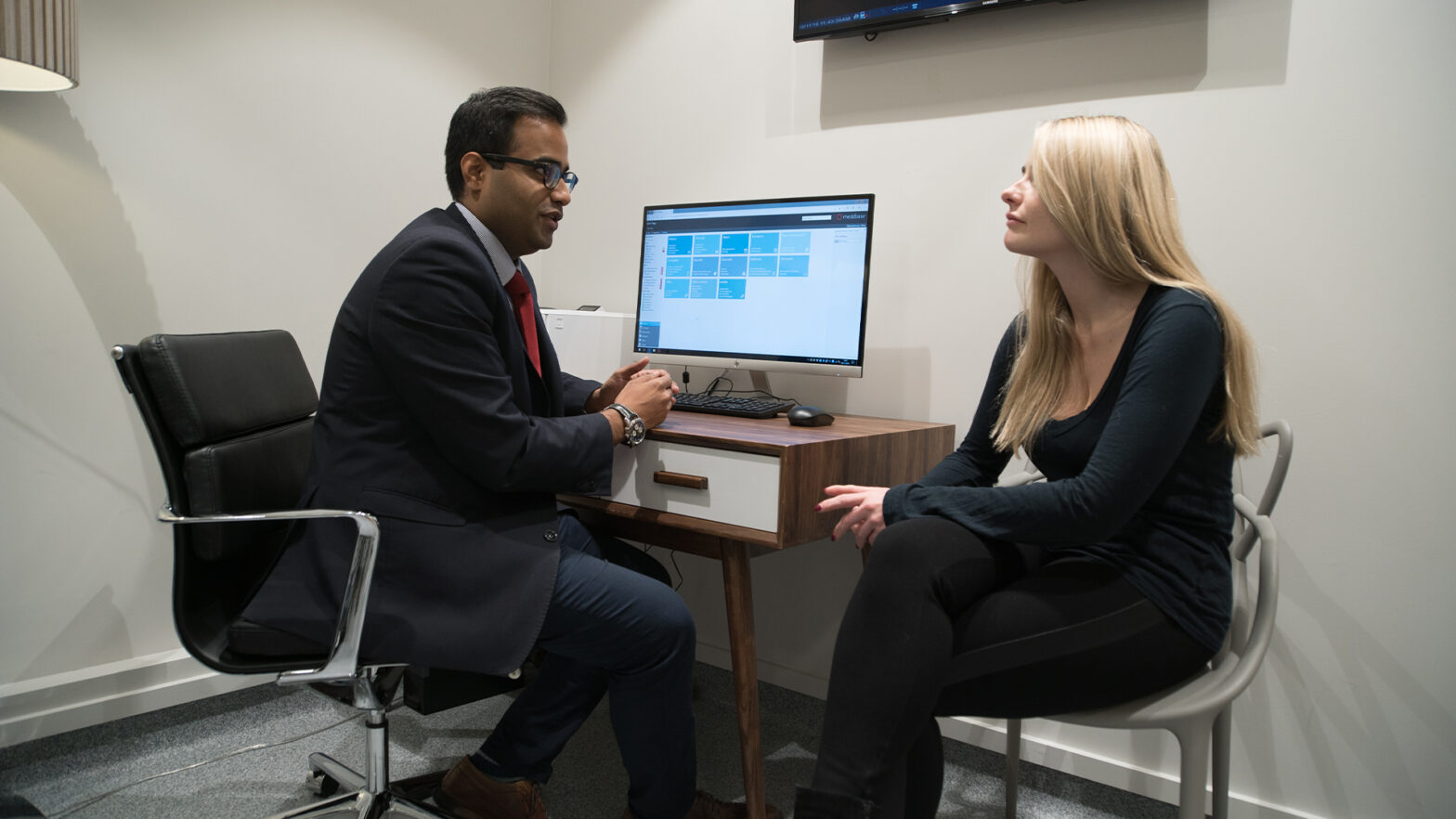
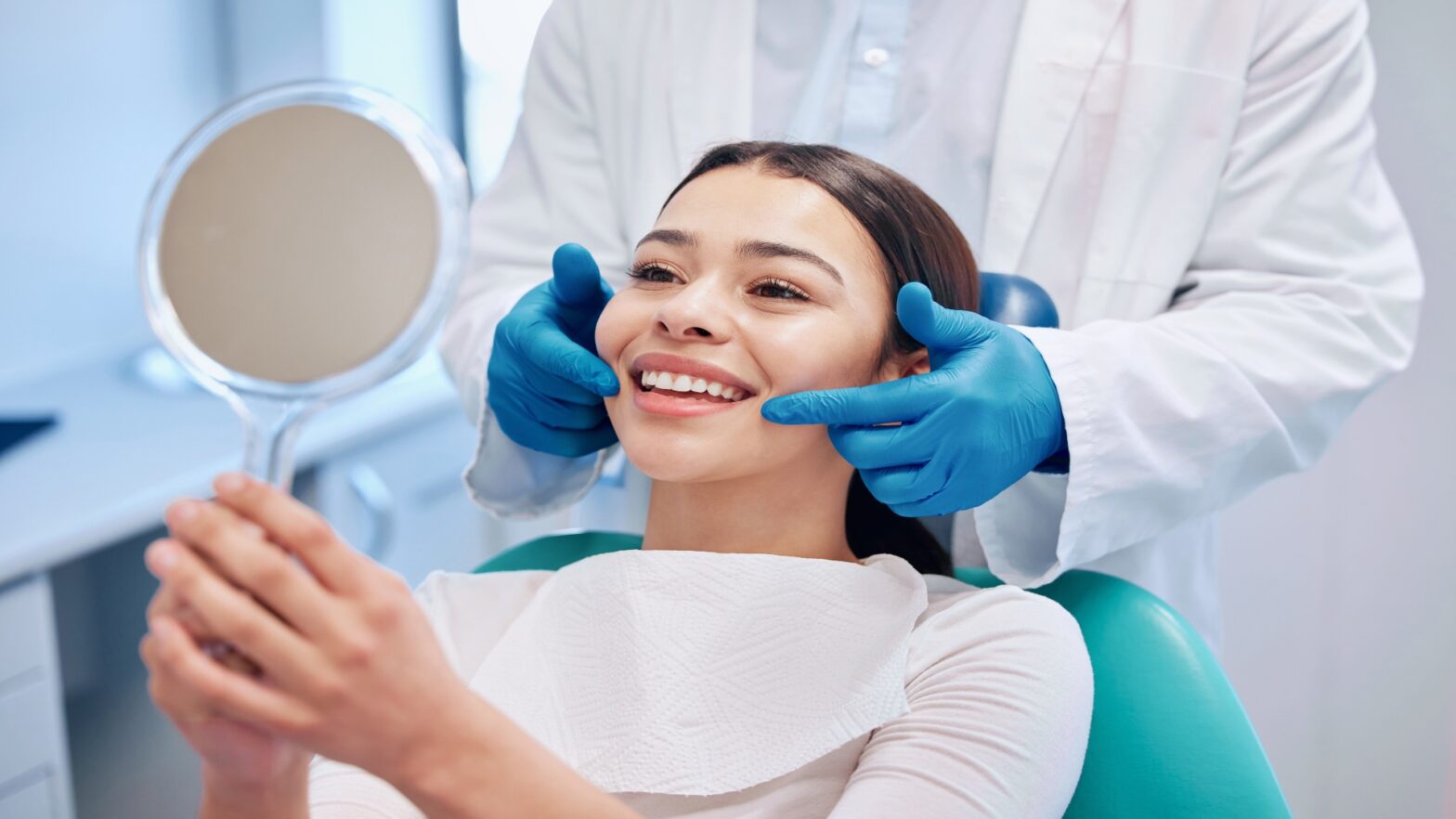
For example, Glow Dental, a private dental practice in Battersea, London, uses digital smile design to help patients visualise potential changes before treatment begins. The process incorporates digital scans, photographs and video to create a personalised smile design, with opportunities for patients to participate in decisions about the proposed appearance.
It is an example of how modern dentistry can make aesthetic treatment more collaborative, allowing patients to understand the possibilities rather than simply imagining the outcome.
The Luxury of Knowing What to Expect
When considering any cosmetic procedure, uncertainty can be one of the biggest concerns.
Will the results look natural? Will the new smile suit the face? Could the changes be too noticeable?
Digital planning can help address some of these questions by making the proposed treatment more tangible.
Depending on the procedure, patients may be able to review digital previews or experience a physical mock-up of the proposed changes before committing to treatment.
These previews are planning tools rather than guarantees of an identical final result, but they can encourage more informed discussions about expectations, preferences and practical limitations.
This collaborative experience also represents a different interpretation of luxury.
Instead of focusing exclusively on premium surroundings or expensive treatments, luxury increasingly means personal attention, thoughtful planning and the ability to make confident, informed decisions.
In aesthetic dentistry, that level of individual consideration can be just as valuable as the technology itself.
Why Subtle Enhancements Are Gaining Attention
Not every smile transformation requires extensive dental work.
For some patients, relatively small improvements may make a meaningful difference to how they feel about their appearance.
Professional whitening can brighten natural teeth, while composite bonding may help address minor chips, uneven edges or small gaps. Orthodontic treatments can improve tooth alignment, and veneers may be considered for selected aesthetic concerns.
The key is choosing an approach that suits the individual rather than assuming that every patient needs a complete smile makeover.
A conservative treatment plan may also help preserve healthy natural tooth structure, an important consideration when comparing cosmetic options.
This reflects the philosophy behind many contemporary beauty treatments: making considered changes that enhance existing features without unnecessarily altering them.
Of course, cosmetic treatment should always begin with a thorough assessment of oral health. Healthy teeth, gums and a stable bite provide the foundation for both attractive and sustainable results.
The Human Element Behind Digital Precision
Despite increasingly advanced technology, successful cosmetic dentistry remains a combination of science, technical skill and artistic judgement.
Software can measure proportions and help visualise different possibilities, but it cannot independently determine what makes a smile attractive to an individual.
A dentist must still consider factors such as tooth health, function, facial harmony and the patient’s personal expectations.
Two people with similar teeth may prefer entirely different outcomes. One might want to preserve distinctive features, while another may wish to address asymmetry or change the overall shape of their smile.
Understanding those preferences requires communication and experience, not simply sophisticated equipment.
Digital tools are therefore most valuable when they support professional expertise rather than attempt to replace it.
A More Personal Future for Cosmetic Dentistry
As technology continues to develop, cosmetic dentistry is likely to become even more focused on personalised planning and patient involvement.
Digital imaging, three-dimensional scans and increasingly refined treatment workflows are already helping dental professionals communicate complex procedures in more accessible ways.
However, the most meaningful development may be a change in how people define a successful cosmetic result.
Rather than pursuing a universal standard of perfection, the emphasis is moving towards individuality, natural appearance and considered improvements.
For those exploring aesthetic dental treatments, the most important question may no longer be how dramatically a smile can be transformed, but how thoughtfully it can be enhanced.
After all, true luxury is rarely about looking like everyone else. It is about feeling confident in something that is uniquely your own.