





Innovations in Modern Chemistry: How Laboratories Drive Scientific Discovery
From alchemists’ crude distillations to today’s AI-guided synthesis, chemistry laboratories have undergone a transformation that would astound earlier generations of scientists. The breakthroughs happening within these controlled environments are reshaping medicine, materials science, and our understanding of the molecular world itself.
The Revolution in Analytical Techniques
Modern analytical chemistry has undergone a remarkable transformation over the past two decades. Techniques that once required days of painstaking work can now be completed in minutes with unprecedented accuracy.
Mass spectrometry has evolved into an indispensable tool for identifying compounds at incredibly low concentrations. Laboratories can now detect substances at parts per trillion, enabling everything from forensic investigations to pharmaceutical quality control.
Nuclear magnetic resonance spectroscopy continues to advance, providing detailed three-dimensional structures of complex molecules. Researchers can now examine proteins, nucleic acids, and synthetic compounds with remarkable precision. These insights drive drug development and help chemists understand how molecules interact at the atomic level.
Chromatography methods have similarly advanced, with ultra-high-performance liquid chromatography separating complex mixtures faster and more efficiently than ever before. This technology proves essential in fields ranging from environmental monitoring to pharmaceutical research.
Automation and High-Throughput Screening
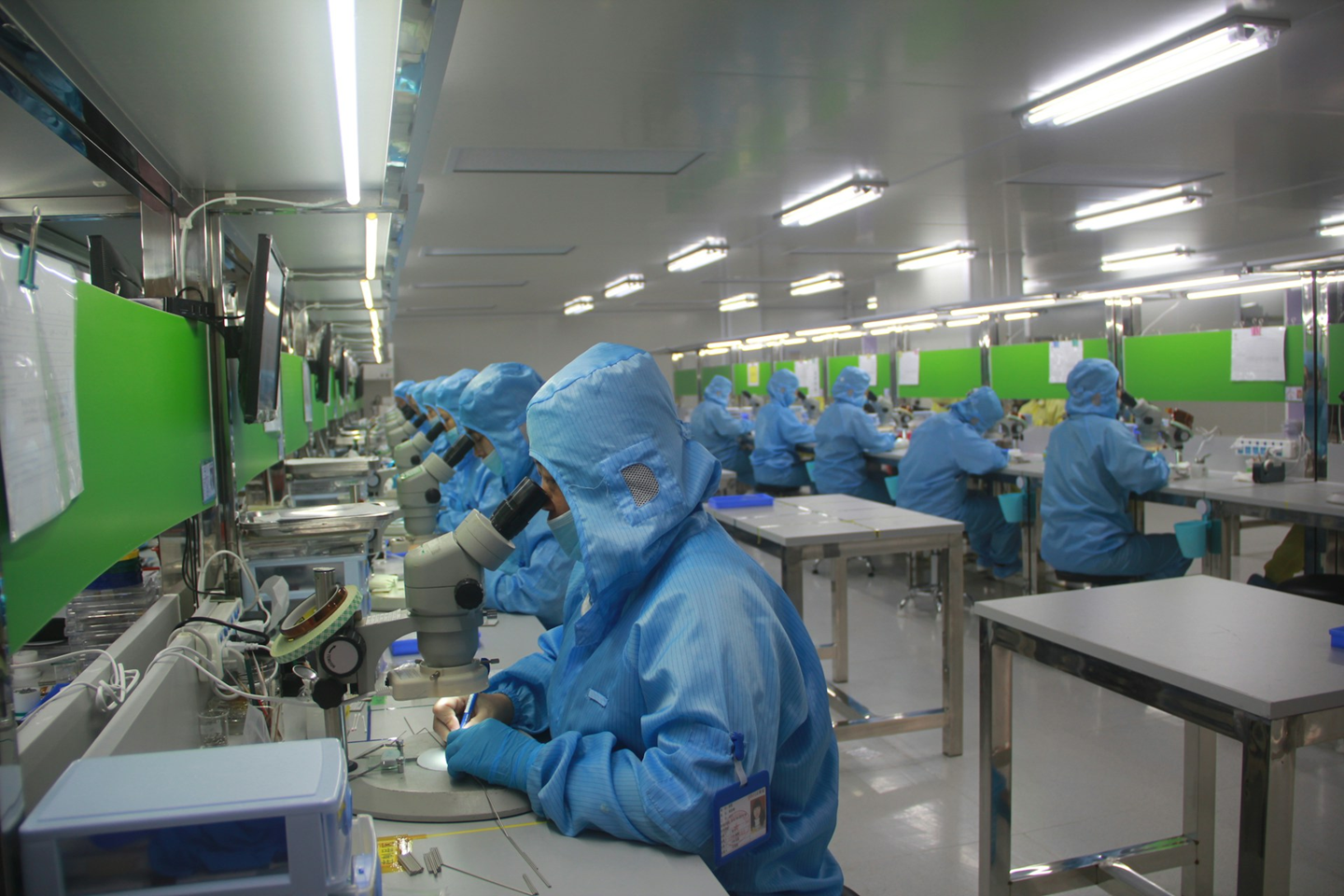
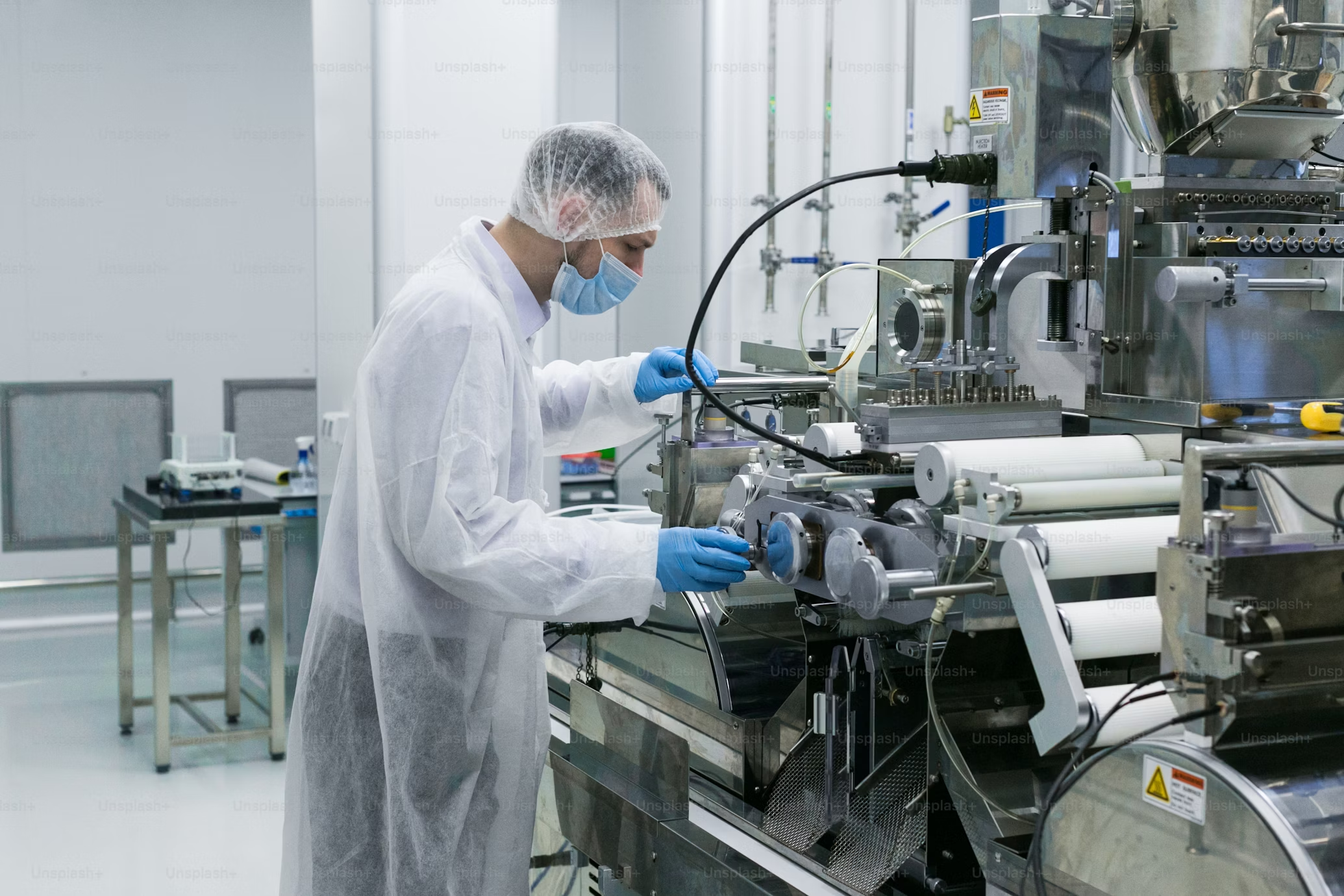
Automation has fundamentally changed how chemists work. Robotic systems now handle repetitive tasks with consistency that human researchers cannot match, freeing scientists to focus on creative problem-solving and data interpretation.
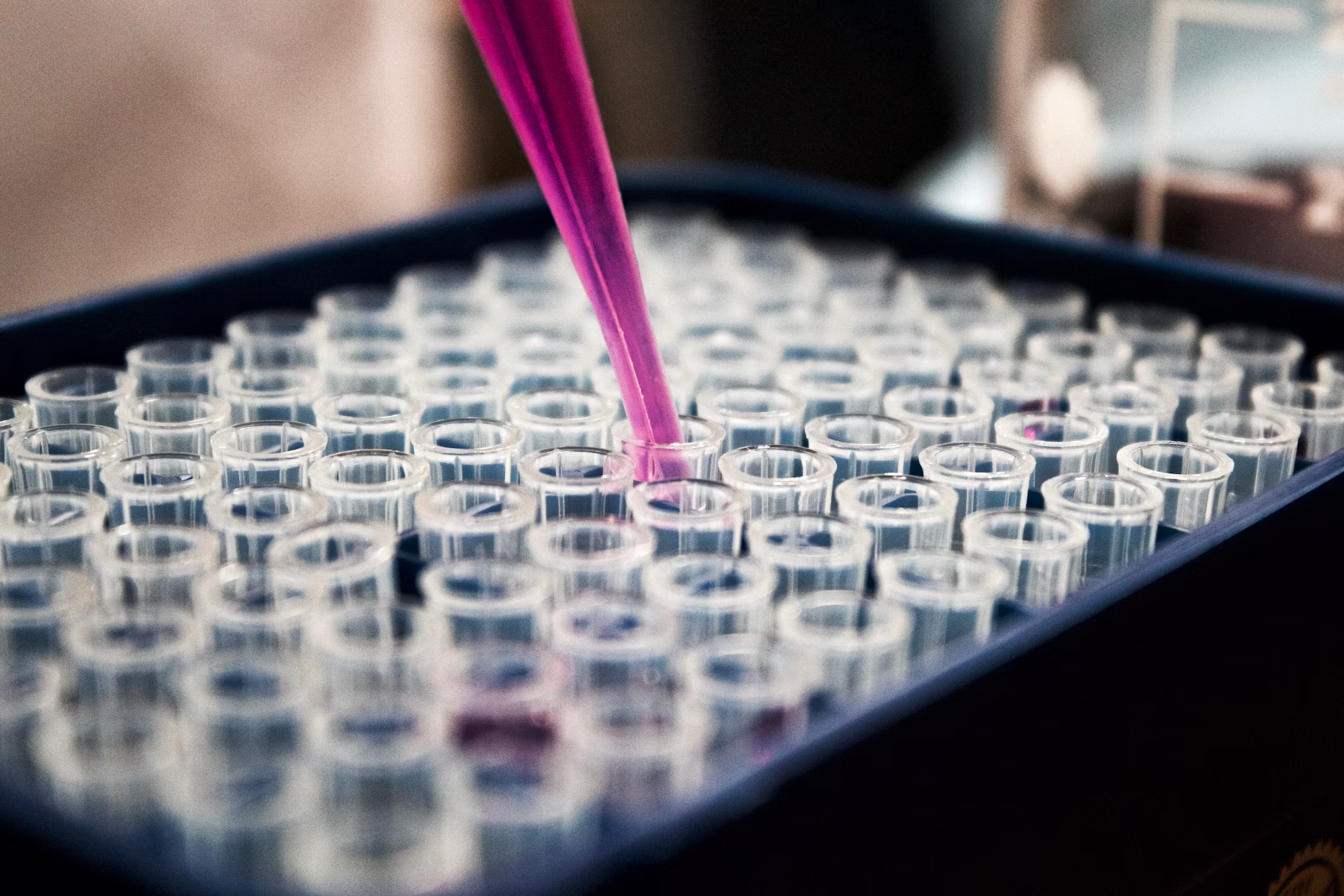
High-throughput screening allows laboratories to test thousands of compounds in the time it once took to evaluate a handful. This capability has revolutionised drug discovery, where researchers can rapidly identify promising candidates for further development.
Automated synthesis platforms have also emerged as game-changers. These systems can perform complex chemical reactions with minimal human intervention, running experiments around the clock whilst maintaining precise control over reaction conditions.
Green Chemistry and Sustainable Practices
Environmental consciousness has sparked a paradigm shift in how laboratories operate. Green chemistry principles now guide researchers towards more sustainable approaches that minimise waste and reduce reliance on hazardous substances.
Solvent selection has become a critical consideration. Water-based systems, supercritical carbon dioxide, and ionic liquids offer greener options without sacrificing reaction efficiency.
Catalysis research has accelerated, with scientists developing catalysts that enable reactions to proceed under milder conditions whilst generating fewer byproducts. Biocatalysts, including enzymes, offer particularly elegant solutions, performing transformations with exquisite selectivity.
Energy efficiency has also improved across laboratory operations. Modern equipment consumes less power whilst delivering better performance. These seemingly small improvements accumulate into substantial environmental benefits across thousands of laboratories worldwide.
Peptide Synthesis and Biomedical Applications
The field of peptide chemistry exemplifies how laboratory innovations translate into practical applications. Synthetic peptides have become invaluable tools in research, diagnostics, and therapeutics.
Solid-phase peptide synthesis, refined over decades, now allows chemists to construct peptides with remarkable efficiency. Automated synthesisers can produce custom sequences overnight, supporting research projects that would have been impractical years ago. For those interested in this area, you can explore synthesised peptides available through Amino Peptides UK to understand the breadth of options now accessible to researchers.
Modified peptides represent a particularly exciting frontier. Chemists can incorporate non-natural amino acids, attach fluorescent tags, or create cyclic structures that resist degradation in biological systems. These modifications expand the therapeutic potential of peptides.
The development of peptide-based drugs has accelerated accordingly. These molecules offer advantages over traditional small-molecule drugs, including high specificity and reduced off-target effects.
Computational Chemistry and Molecular Modelling
The marriage of chemistry and computing power has created entirely new avenues for discovery. Computational chemistry allows researchers to predict molecular behaviour, design experiments, and understand reaction mechanisms without initially stepping into a wet laboratory.
Quantum mechanical calculations provide insights into electronic structure and reactivity. Scientists can model how molecules will interact, predicting reaction outcomes before mixing any chemicals.
Molecular dynamics simulations bring molecules to life on computer screens, showing how they move and interact over time. These simulations help researchers understand biological processes, design better catalysts, and develop new materials.
Machine learning has recently entered the computational chemistry toolkit. Algorithms can now identify patterns in vast datasets, predicting properties of compounds that have never been synthesised. This approach accelerates materials discovery and drug development.
Materials Science Breakthroughs
Chemistry laboratories are creating materials with properties that were once purely theoretical. These innovations promise to address some of society’s most pressing challenges.
Advanced polymers with tailored properties emerge from laboratories regularly. Self-healing materials can repair damage autonomously, extending the lifespan of products and reducing waste. Conductive polymers enable flexible electronics, whilst biodegradable plastics offer alternatives to persistent environmental pollutants.
Nanomaterials represent another frontier where laboratory innovation shines. Chemists can now synthesise nanoparticles with precise sizes and shapes, controlling their properties for specific applications. These materials find uses in medicine, electronics, energy storage, and environmental remediation.
Two-dimensional materials like graphene have moved from curiosity to practical application. Laboratories have developed methods to produce these materials at scale whilst exploring their remarkable properties.
The Future of Laboratory Science
Artificial intelligence is already beginning to design experiments and interpret results with minimal human guidance, signalling a new era in laboratory research. Laboratory equipment will become more interconnected, with data flowing seamlessly between instruments and analysis platforms.
Sustainability will remain paramount, driving innovations in energy use, waste reduction, and chemical processes. The laboratories of tomorrow will likely operate with carbon-neutral footprints.
Collaboration across disciplines will intensify, with chemistry laboratories serving as meeting points for biologists, physicists, engineers, and data scientists. This convergence promises breakthroughs that no single field could achieve independently.
The laboratories driving these innovations continue expanding what’s possible in molecular science. Whether developing life-saving therapeutics, creating sustainable materials, or unlocking fundamental chemical mysteries, modern chemistry laboratories remain at the forefront of scientific progress, transforming theoretical possibilities into tangible solutions that improve our world.