


Most people don’t think about their hair until something changes. A little extra shedding in the shower, a widening part, or a hairline that seems to be gradually shifting can all raise questions about what might be causing it.
Genetics and hormones play a major role in hair health, but nutrition also matters. Your hair follicles need a consistent supply of protein, iron, zinc, vitamins, and other nutrients to support normal hair growth. If your diet lacks certain nutrients, it may contribute to increased shedding or weaker hair.
How Nutrition Affects Hair Growth
Hair follicles are among the most metabolically active structures in the body. They require a regular supply of nutrients to produce new hair.
When the body doesn’t get enough of certain nutrients, it prioritises essential functions such as the heart, brain, and other vital organs. Hair growth may therefore be affected when nutritional deficiencies become significant.
Iron, zinc, protein, and biotin are often associated with hair health because they each have different roles in maintaining normal hair growth and follicle function. However, taking supplements isn’t automatically beneficial. Supplements are most useful when a deficiency has been identified or when recommended by a healthcare professional.
Protein and Iron: The Foundation of Healthy Hair
Hair is primarily made from keratin, a structural protein. Getting enough protein through your diet provides the amino acids your body needs to produce keratin and maintain healthy tissues.
Good sources of protein include:
- Eggs
- Chicken and turkey
- Fish and seafood
- Greek yogurt and other dairy products
- Lentils, beans, and chickpeas
- Tofu and other soy foods
- Nuts and seeds
Iron is also important because it helps red blood cells transport oxygen throughout the body. Iron deficiency can be associated with hair shedding, particularly in people who are more susceptible to iron deficiency.
Foods that provide iron include:
- Lean red meat
- Lentils and beans
- Spinach and other dark leafy greens
- Tofu
- Eggs
- Fortified breakfast cereals
- Fish and seafood
If you’re experiencing persistent hair shedding, it’s better to speak with a healthcare professional rather than assuming that low iron is the cause. Blood tests can help identify whether an iron deficiency or another nutritional issue may be contributing to hair loss.
Zinc and Selenium: Essential Trace Minerals
Zinc plays several roles in normal cell growth, tissue repair, and immune function. Since hair follicles are constantly producing new cells, adequate zinc intake is important for maintaining normal follicle function.
Good dietary sources include:
- Oysters and other shellfish
- Meat and poultry
- Dairy products
- Pumpkin seeds
- Cashews
- Chickpeas
- Fortified cereals
Selenium is another trace mineral involved in antioxidant protection and normal thyroid function. Both excessively low and excessively high selenium intake can cause health problems, so more isn’t necessarily better.
Brazil nuts are particularly rich in selenium. Because their selenium content can vary considerably, eating large quantities regularly isn’t recommended.
DHT, Diet, and Pattern Hair Loss
Nutrition is only one part of the hair-loss picture. For many people, particularly those with male or female pattern hair loss, genetics and hormones have a much greater influence.
Dihydrotestosterone (DHT), a hormone derived from testosterone, is involved in androgenetic alopecia, commonly known as male or female pattern hair loss. In genetically susceptible follicles, DHT can contribute to progressive miniaturisation, causing hairs to become finer and shorter over time.
There has been interest in whether certain foods or plant compounds can influence pathways associated with DHT. Green tea, tomatoes, and other foods contain compounds that have been investigated for their potential effects on hormonal pathways in laboratory and early-stage research.
However, eating a particular food shouldn’t be considered a proven treatment for pattern hair loss. If you’re experiencing gradual thinning or a receding hairline, understanding the underlying type of hair loss is more useful than relying on individual foods marketed as natural DHT blockers.
Seeds and Healthy Fats for Overall Scalp Health
A healthy scalp provides the environment in which hair follicles grow. Healthy fats, including omega-3 fatty acids, are important components of a balanced diet and support normal skin function.
Good sources of omega-3 fatty acids include:
- Salmon
- Sardines
- Mackerel
- Trout
- Walnuts
- Chia seeds
- Flaxseeds
Pumpkin seeds are another convenient addition to a balanced diet. They provide zinc, magnesium, iron, protein, and healthy fats. You can add them to oatmeal, yogurt, salads, or eat them as a snack.
However, no single seed, nut, or food can guarantee thicker or faster-growing hair. Their main benefit comes from contributing useful nutrients to an overall balanced eating pattern.
Other Nutrients Worth Paying Attention To
A varied diet can provide many of the nutrients involved in normal hair growth.
Vitamin D, for example, has been investigated in relation to several types of hair loss, although the relationship isn’t fully understood. Foods containing vitamin D include fatty fish, egg yolks, and fortified foods such as some milks and breakfast cereals.
B vitamins are also involved in normal energy metabolism and cell function. Biotin deficiency can cause hair thinning, but true biotin deficiency is uncommon in people eating a varied diet.
Vitamin C is particularly useful for iron absorption from plant-based foods. Pairing foods such as lentils, beans, or spinach with vitamin C-rich foods like oranges, berries, bell peppers, or tomatoes can help increase the absorption of plant-based iron.
What Your Overall Diet Should Look Like
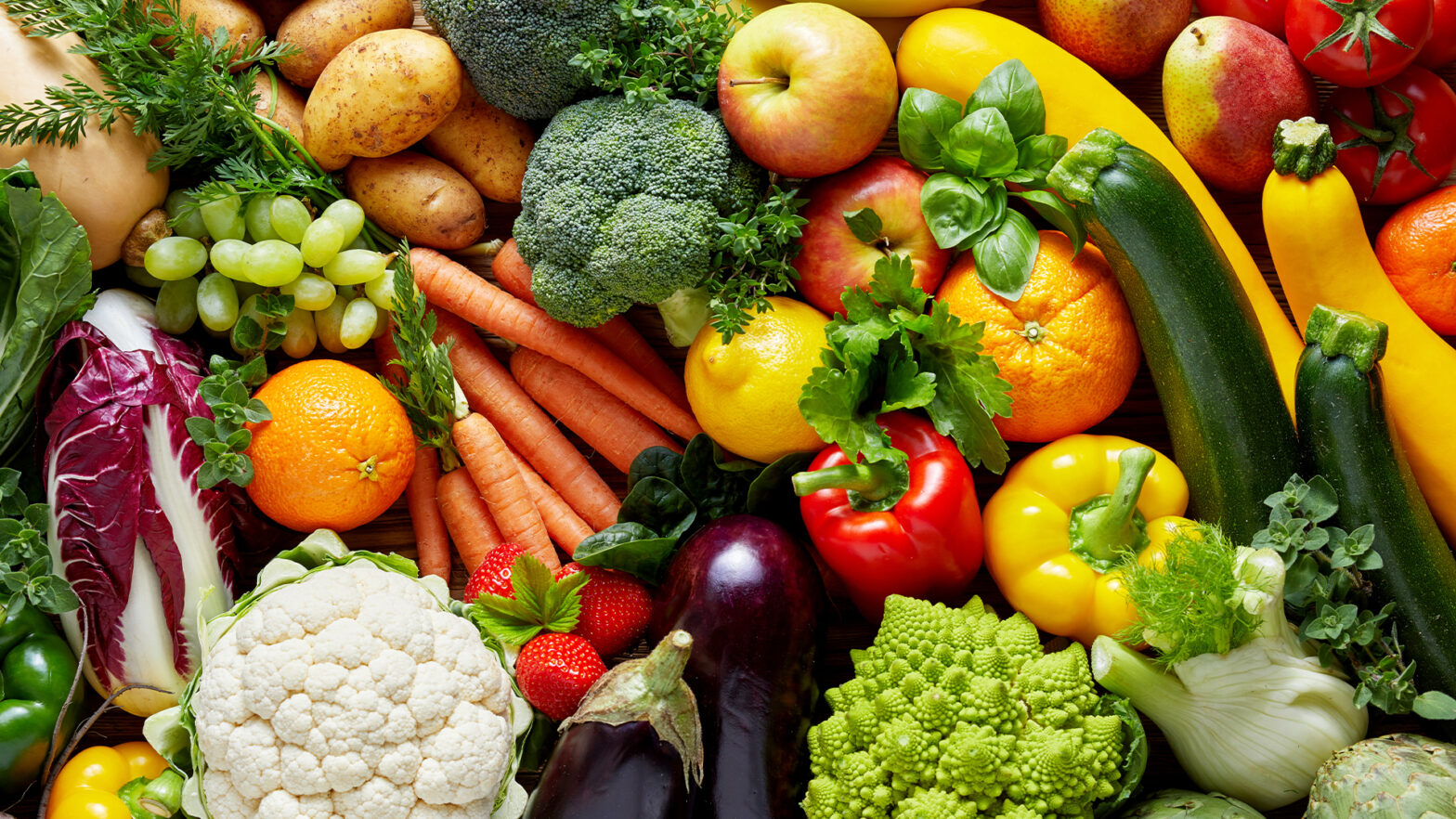
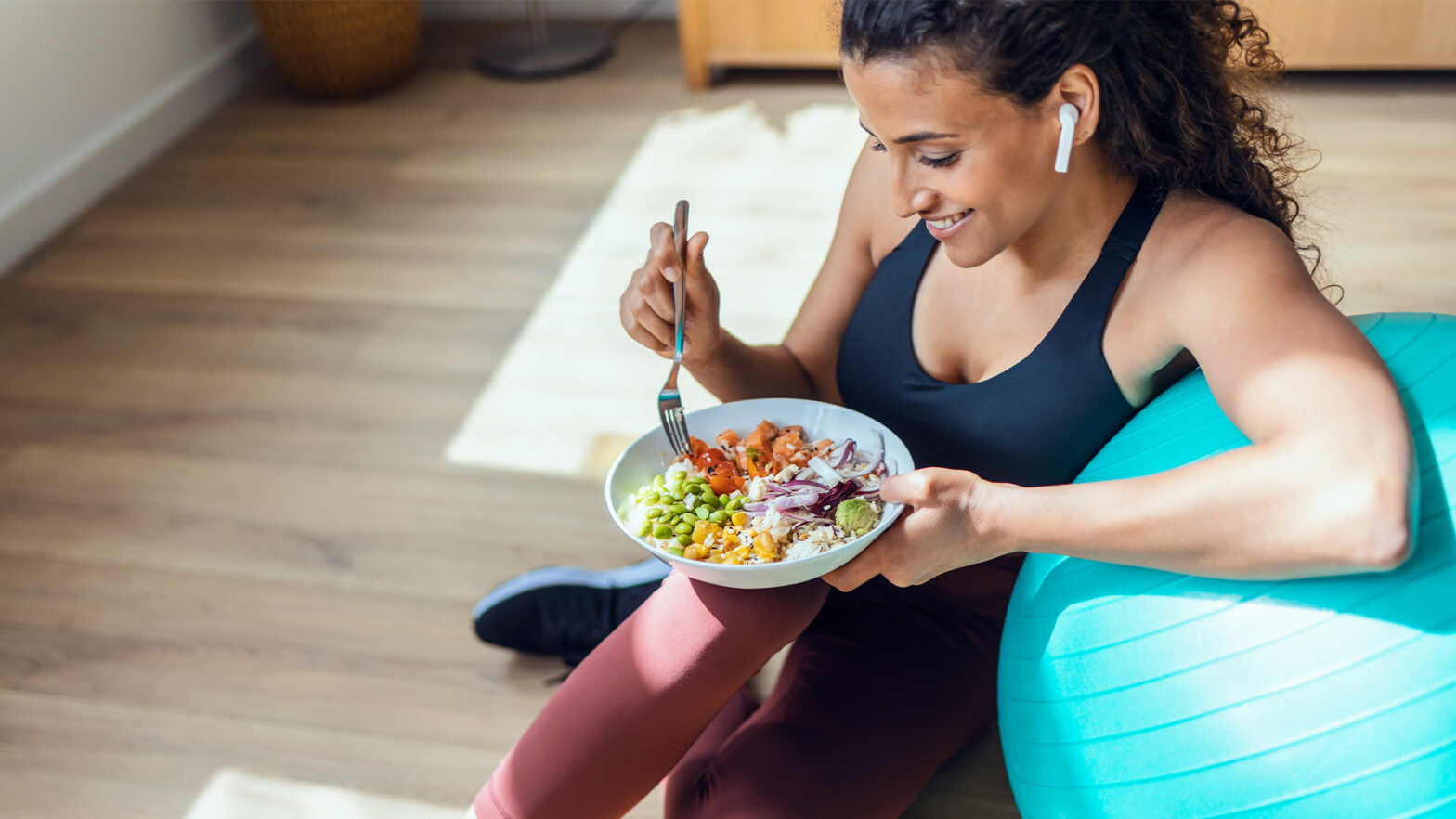
Rather than focusing on a single “hair growth food,” aim for variety.
A balanced hair-friendly eating pattern can include:
- A protein source at each meal
- A variety of fruits and vegetables
- Whole grains and other high-fibre carbohydrates
- Nuts and seeds
- Sources of healthy fats
- Iron-rich foods
- Adequate fluids throughout the day
Extreme dieting, rapid weight loss, or consistently restricting major food groups can make it harder to meet your nutritional needs and may contribute to temporary increased hair shedding.
Final Thoughts
Hair health is influenced by multiple factors, including genetics, hormones, age, stress, overall health, and nutrition. Food alone can’t prevent or reverse every type of hair loss, but a balanced diet gives your body the nutrients it needs to support normal hair and follicle function.
If you’re noticing persistent or sudden hair shedding, a widening part, bald patches, or significant changes in hair density, consider speaking with a doctor or dermatologist. Identifying the underlying cause is the most important step toward choosing an appropriate treatment.
For everyday hair health, start with the basics: enough protein, a varied selection of fruits and vegetables, iron- and zinc-rich foods, healthy fats, and an overall balanced diet.