



This exclusive interview with Josephine McGrail was conducted by Tabish Ali of the Motivational Speakers Agency.
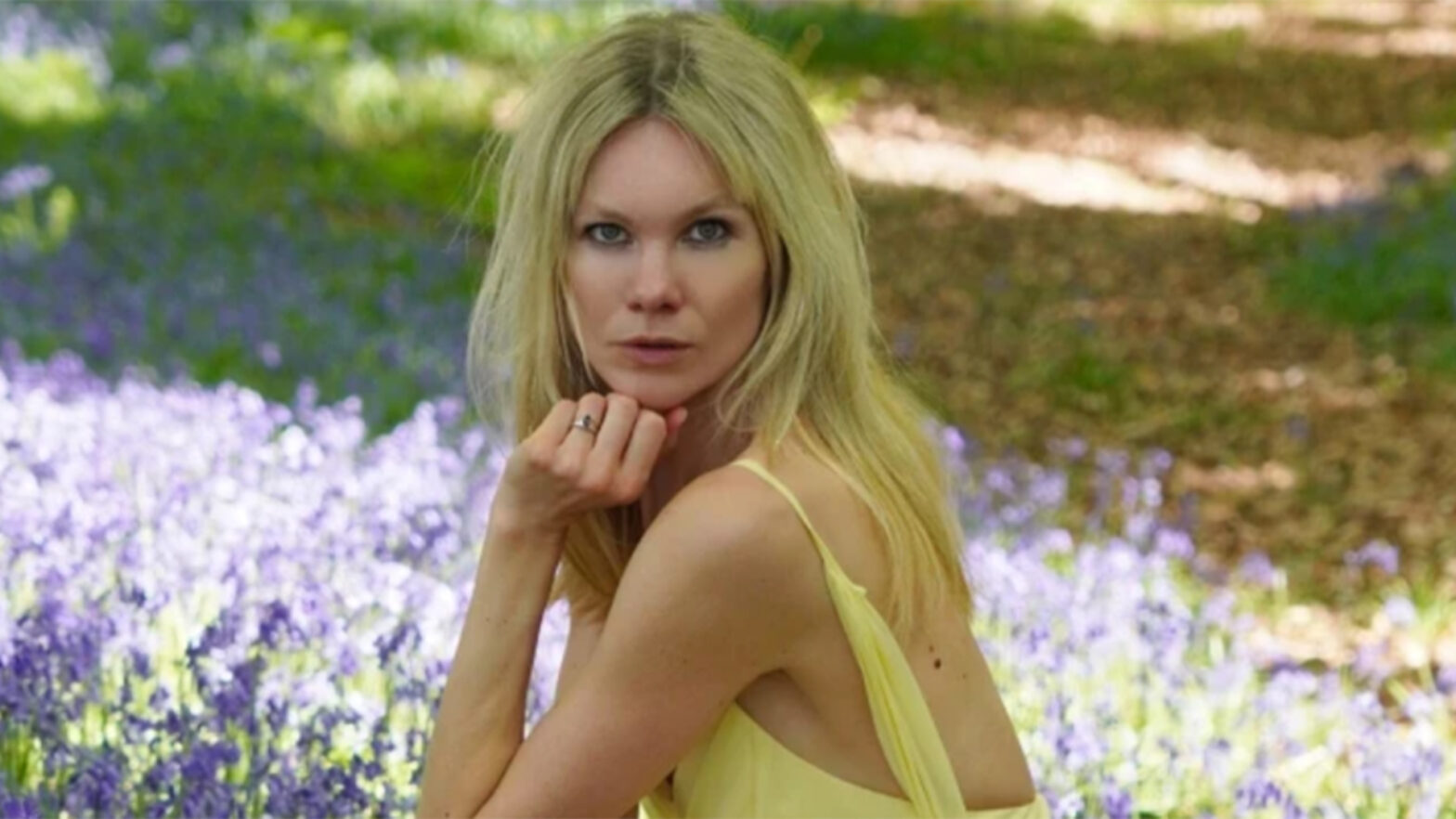
Josephine McGrail’s understanding of resilience was formed long before she became a wellness strategist. Trained from childhood at The Royal Danish Ballet, she spent years in an environment where discipline, physical performance and recovery were inseparable, before building a career focused on wellbeing, mindfulness and sustainable personal change.
In this exclusive interview with the Mental Health Speakers Agency, McGrail reflects on what ballet taught her about self-trust, why lasting mindset change often begins with discomfort, why she sees perfect balance as an illusion, and the message of hope she wants audiences to carry with them.
Question 1. How did your transition from professional ballet to wellness strategy shape your understanding of resilience, self-trust and wellbeing?
Josephine McGrail: “First and foremost, it made me realise that everything starts and ends with you.
“In dance, you can’t lie. I can’t give you some amazing verbal answer while my leg is not in the sky or I’m not doing a big jump. If anything doesn’t go the way that I had hoped it would, the only one that I can return to is myself.
“From that perspective, dance and anything to do with physicality is extremely pure. It’s extremely honest.
“Dance doesn’t happen overnight, especially not ballet. It’s an elite sport. I was trained from the age of six. You train for several hours a day.
“It really is that idea that Rome wasn’t built in a day. But if we continue to carry one stone at a time, we can build a mountain. We can achieve anything.
“You can achieve anything if you’re willing and ready to fall in love with your passion and the pursuit of that passion, because that means you’ll return. You’ll return even when it gets hard, even when it feels impossible, even when you are facing obstacles and challenges that no one had ever told you would happen.
“You have to be in love with it because otherwise you stop. You’re not going to commit. You’re going to give up after a week, two weeks, one year.
“It taught me how to really trust myself. It taught me to create a sense of security within myself, resilience that I could fall back upon time and time again.
“It gave me a sense of centre, a sense of home, and that is really why I do what I do today. It is to share with others not to rely on external forces, but to come back to their own centre and ask themselves: what am I truly in love with? What lights me up? What would I do even if there was no money involved? What would I do even when I was sick? What would I do even if nothing else in my life worked out? Even if the sun didn’t rise tomorrow, what would I still be doing?
“If you are lucky enough to find something that awakens, inspires and empowers something within you like that, then you must pursue it.
“You can’t lie. Your body keeps the score. Everything is cumulative.
“If you are devoted enough and in love enough with that which you are pursuing, over time you will build a mountain.”
Question 2. What creates lasting mindset change, rather than a short-lived burst of positive thinking?
Josephine McGrail: “I have quite a strong answer to that one: contrast and hitting rock bottom.
“When it comes to changing behaviour, and that really is what we’re talking about when we want to change our mindset, we have to reach a point within ourselves of no return.
“We must reach a point where we go: no way, no longer that. I don’t know what this is, but I know it’s not that.
“It is through the most contrasting experiences in life that we get super clear about who we are and where we want to go.
“As human beings, sadly, we often only get there from having deeply dived into the places where we now know we don’t want to be.
“So, contrast and hitting rock bottom.”
Question 3. In a fast-paced world, what does a sustainable sense of balance actually look like?
Josephine McGrail: “Nothing in nature is ever balanced.
“I know it’s a strong statement, but we have this idea that when you say the word balance, it’s the scales. We want to be at that tipping point where we’re perfectly balanced, but nothing is like that.
“Look at nature, or even just look at today. It’s crazy hot here in London and it’s hardly ever this hot.
“Is the weather ever balanced? No. Are the seasons ever balanced? No. Are my roses balanced in the way that they dissolve and then go back into the fertile ground? No.
“Nothing in life is ever fully balanced.
“We have to understand that balance is an illusion. Balance can also sound almost like a stagnant experience, and that means we’re no longer growing and expanding.
“However, we also have to understand that balance is made out of two components.
“As human beings, we are aiming, striving and hoping to be somewhere between doing all the time and being all the time.
“The ideal, this illusion, is that we can sit perfectly in between super activity, getting everything done, and complete Zen.
“We need to accept that while we have to do lots of things in order to achieve and create the life that we love, the counterpart to that, the being part, the resting part, the reflecting part, the digesting part and the processing part, is just as important.
“Then we have a chance to achieve a little more balance.
“What does balance realistically look like in a fast-paced world? It means accepting the counterpart of activity, relaxation, not as a benefit, not as a cherry on top, not as a reward, not as something you get once everything is done.
“It could be having that nice bath, calling the friend who makes you laugh out loud, going for a walk in the park, or sitting and staring into the eyes of your beloved, whether that’s a dog, your best friend, your boyfriend or girlfriend.
“If we are willing and able to accept that activities, places, spaces, people, music and books that bring us into a state of relaxation, peacefulness, joyfulness and ease are just as important as activity, action and taking things off the list, then we have a chance of getting a little more into balance.”