







The right practice setting can define your career satisfaction as a physiatrist. Whether you’re completing residency or considering a transition, the ideal environment depends on your clinical interests, lifestyle priorities and long-term goals. From inpatient rehabilitation facilities to academic research settings, each model offers distinct advantages that can help you make an informed decision aligning with both your professional ambitions and personal well-being.
The Evolving Landscape of Physiatry Careers
The field of physical medicine and rehabilitation continues to evolve, offering physiatrists diverse career paths across multiple practice settings. What constitutes the best physical medicine and rehabilitation jobs varies significantly based on individual priorities, with some physicians seeking clinical autonomy while others prefer collaborative team environments or research opportunities.
Financial considerations also influence career decisions. According to average physician pay data, physical medicine and rehabilitation doctors earned an average salary of $341,000 in 2023. When evaluating the highest paying physiatrist companies and practice settings, compensation often correlates with patient volume, case complexity and geographic demand. As you explore the top physiatry employers in the USA, consider which combination of financial reward and professional fulfillment matters most to you.
Key Physiatry Practice Models to Consider
Understanding the landscape of career pathways for physiatrists helps you identify which environment aligns with your clinical interests. A 2024 study by the American Board of Physical Medicine and Rehabilitation (ABPMR) found that 64.9% of physiatrists practice in outpatient settings, while only about 34% work exclusively in outpatient care. Modern physiatry often blends multiple settings.
Each model encompasses diverse clinical environments requiring different skill sets. As you review these models, ask yourself which patient populations energize you most and whether you thrive in fast-paced acute care or prefer longitudinal relationships.
The Inpatient Rehabilitation Hospital (IRF)
An Inpatient Rehabilitation Facility is a specialized hospital for people recovering from severe illness, injury or surgery, including strokes, major fractures, traumatic brain injuries and spinal cord injuries. These facilities provide 24/7 nursing care, frequent physician visits and intensive therapy designed to help patients regain independence.
IRFs may focus on medical and physical rehabilitation or specialize in substance use disorder treatment and mental health recovery. You’ll work with interdisciplinary teams including physical therapists, occupational therapists, speech-language pathologists and rehabilitation nurses. The pace can be intense, but seeing dramatic functional improvements over the course of weeks provides significant professional satisfaction.
The Skilled Nursing Facility (SNF)
A Skilled Nursing Facility provides short-term, 24/7 medical and personal care for patients who are stable enough to leave the hospital but need more support than home care can provide. Patients typically transition to an SNF after a hospital stay to receive therapy with the goal of recovering enough to return home.
SNF physicians oversee nursing care, medication management, wound care, pain management and rehabilitation services for a medically complex population. These facilities offer regular hours and the opportunity to build meaningful patient relationships throughout recovery, making them attractive for physiatrists who value continuity of care.
The Outpatient Clinic Setting
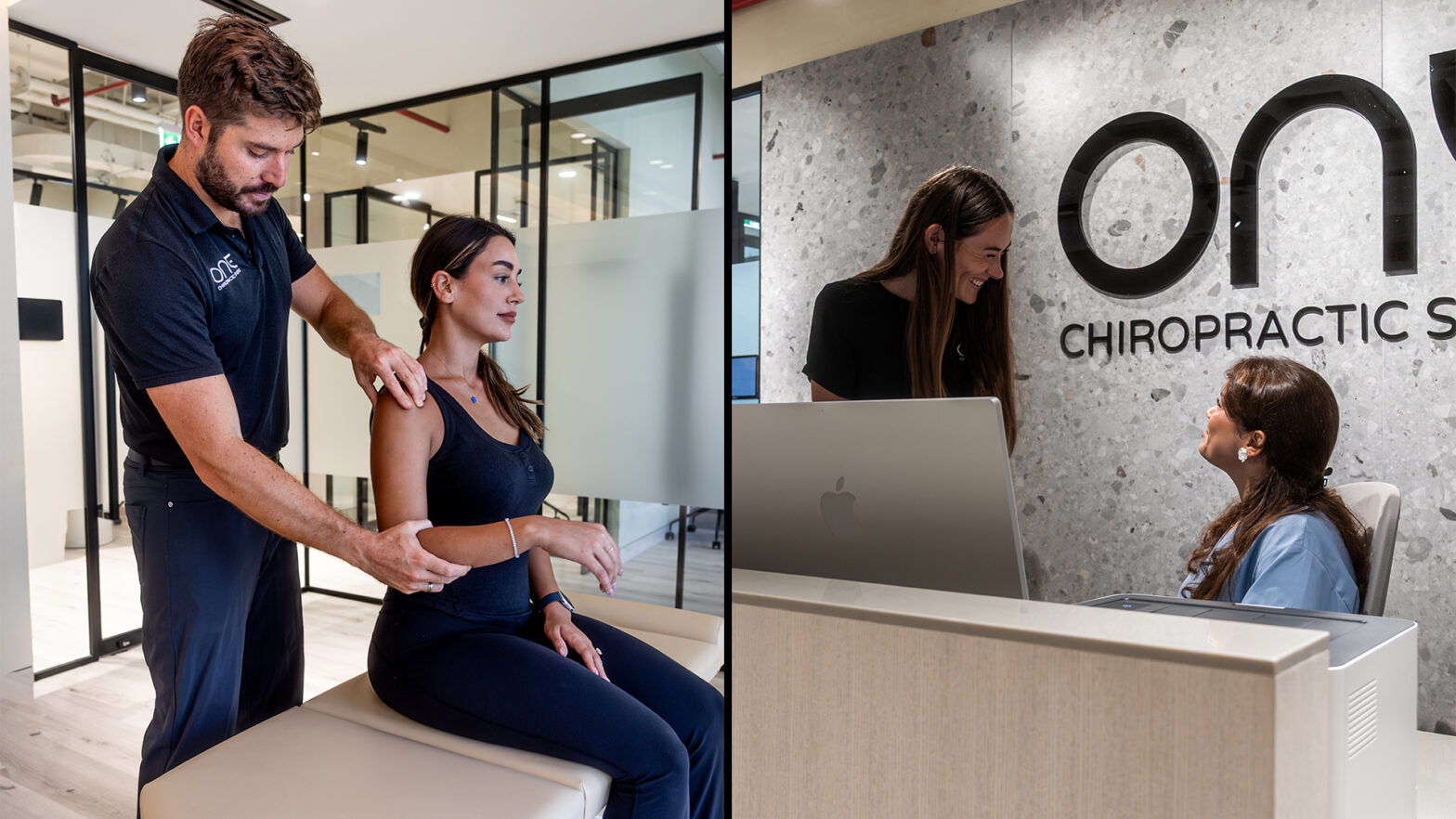
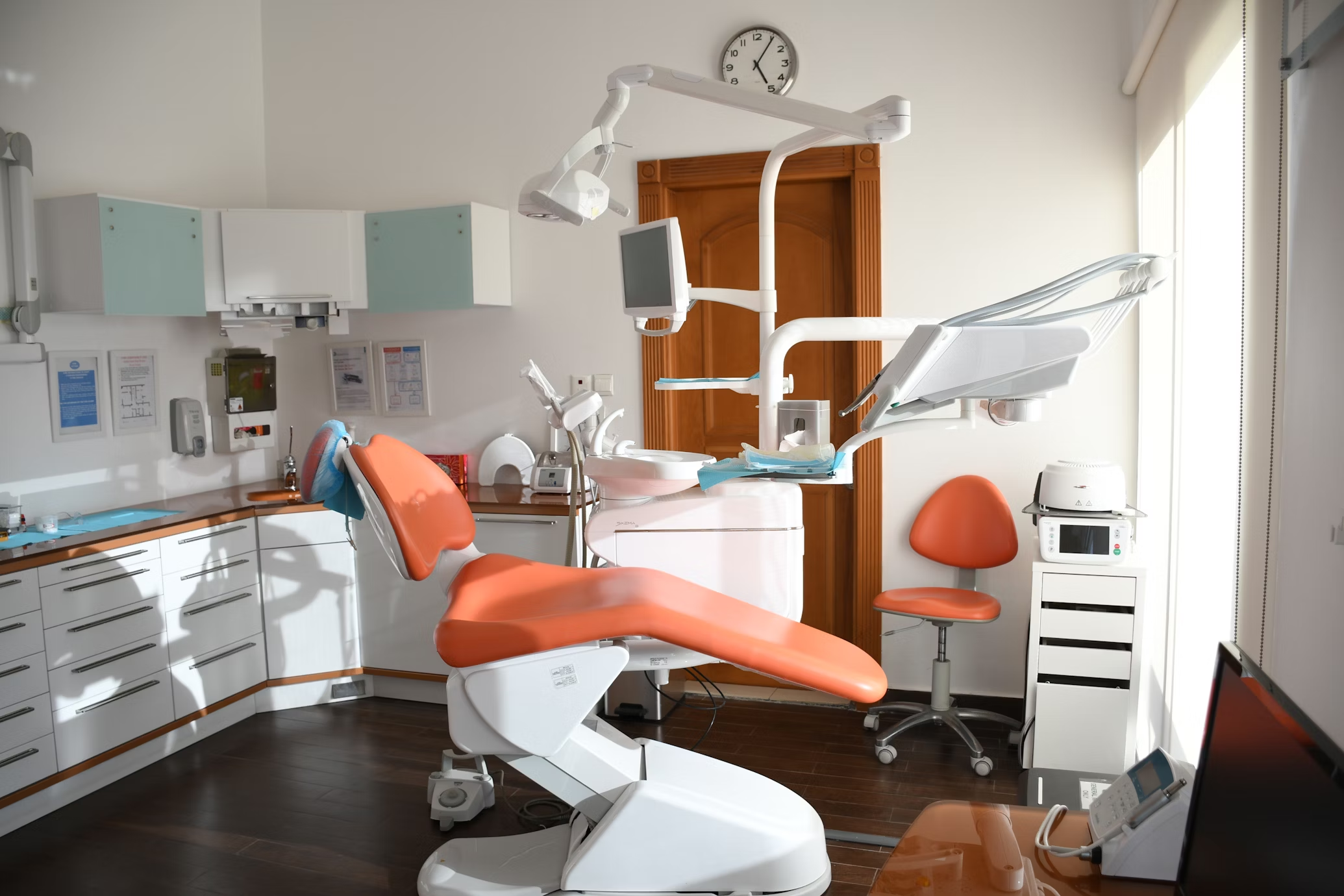
Outpatient clinics represent settings where patients receive medical care, tests and treatments without staying overnight. Also known as ambulatory care, these facilities handle routine visits, minor procedures and preventive care while allowing patients to return home the same day.
Settings include primary care clinics, specialty rehabilitation clinics, urgent care centers and ambulatory surgery centers. This environment typically offers more predictable scheduling while enabling you to develop ongoing therapeutic relationships over time.
The Academic or Research Environment
Academic medicine provides a collaborative space for discovering new knowledge through long-term exploration, publishing findings and teaching the next generation. This environment merges scientific discovery, education and patient care while requiring you to balance laboratory experiments, clinical trials and rigorous study.
You’ll divide your time between clinical practice, research activities, grant writing and teaching. While academic positions may offer lower base compensation than private practice, working in academic research provides intellectual stimulation, access to cutting-edge treatments and the satisfaction of advancing the field.
Navigating Common Career Challenges and Pain Points
According to the ABPMR study, approximately 87% of physical medicine and rehabilitation physicians practice full-time, reflecting the field’s demanding nature. This intensity can contribute to burnout when physicians lack adequate support systems.
Physician burnout stems from multiple sources, including excessive administrative burden, electronic health record requirements, productivity pressures and insufficient time with patients. Additional challenges include limited clinical autonomy in some settings, coordinating care across fragmented systems and difficulty staying current with protocols.
Among the top physiatry employers in the USA, you’ll find organizations that actively work to create healthy social environments. Your career path will likely evolve over time as your priorities shift, so remain open to reassessing your situation periodically and making changes when your current environment no longer aligns with your goals.
What to Look For in a Modern Physiatry Employer
When searching for the best physical medicine and rehabilitation jobs, focus on employers who proactively address these pain points through concrete policies. A supportive clinical environment provides adequate staffing, reasonable patient loads and ready access to interdisciplinary team members, while strong employers invest in streamlined documentation systems and administrative staff to reduce non-clinical burdens.
Look for organizations that respect boundaries, offer adequate paid time off and actively support physicians during high-stress periods. Professional development opportunities signal a genuine commitment to your growth. The top physiatry employers in the USA prioritize these attributes consistently, creating environments where physicians thrive professionally while maintaining personal well-being.
Create a written list of your top five nonnegotiable job requirements, schedule informational interviews with physiatrists working in settings that interest you, and review compensation data for your region. During interviews, ask direct questions about staffing ratios, administrative support and decision-making processes.
Top Physiatry Groups That Address These Needs
The following organizations demonstrate different approaches to creating positive work environments. When researching the best physical medicine and rehabilitation jobs and evaluating the highest paying physiatry companies, these groups offer distinct advantages worth considering.
Medrina
Medrina stands as the nation’s largest physiatry group, representing a doctor-owned and operated organization committed to optimizing the continuum of care. The group adds significant rehabilitative knowledge and value to hospitals, skilled nursing facilities, rehab hospitals and unified physiatry and clinician teams, with over 900 doctors serving in more than 1,500 facilities nationwide.
This physiatry-owned structure means physicians maintain significant input in clinical protocols and operational decisions rather than answering to non-clinical administrators. The organization’s scale, demonstrated by 2,500,000 patient visits over the last 12 months, provides extensive resources and support systems. The collaborative model allows physiatrists to focus on patient care while administrative teams handle documentation and coordination responsibilities.
CoxHealth
CoxHealth provides comprehensive physical medicine and rehabilitation services through both neuroscience and orthopedics teams, fostering interdisciplinary collaboration. In addition to immediate care and primary care services, the system offers specialty services for heart conditions, diabetes and children’s health.
The organization offers classes, courses and events to improve community health and support wellness initiatives. Physiatrists working within CoxHealth benefit from the resources of an established healthcare system while contributing to a mission-driven organization that prioritizes both patient care and physician development.
Select Rehabilitation
Select Rehabilitation focuses on a care management approach that helps individuals improve function and achieve their highest quality of life. Founded in 1998, the organization employs dedicated, highly qualified, licensed rehabilitation professionals supported by infrastructure designed to strengthen clinical outcomes while preserving provider autonomy.
Local, hands-on management distinguishes Select Rehabilitation’s operational model from larger corporate systems. The organization emphasizes superior clinical care, innovative approaches, state-of-the-art technology and expertise in regulatory and reimbursement requirements, allowing physiatrists to practice at the top of their license while receiving administrative support.
The Next Step in Your Physiatry Career
Choosing the right practice setting requires thoughtful self-reflection on the models outlined above, honest assessment of your challenges and proactive evaluation of potential employers. The highest paying physiatrist companies and most supportive organizations share common attributes, including prioritizing physician wellness, investing in infrastructure that reduces administrative burden and creating cultures where clinical excellence thrives. By proactively designing your career around both professional ambitions and personal well-being from the start, you position yourself for long-term satisfaction in this rewarding field.