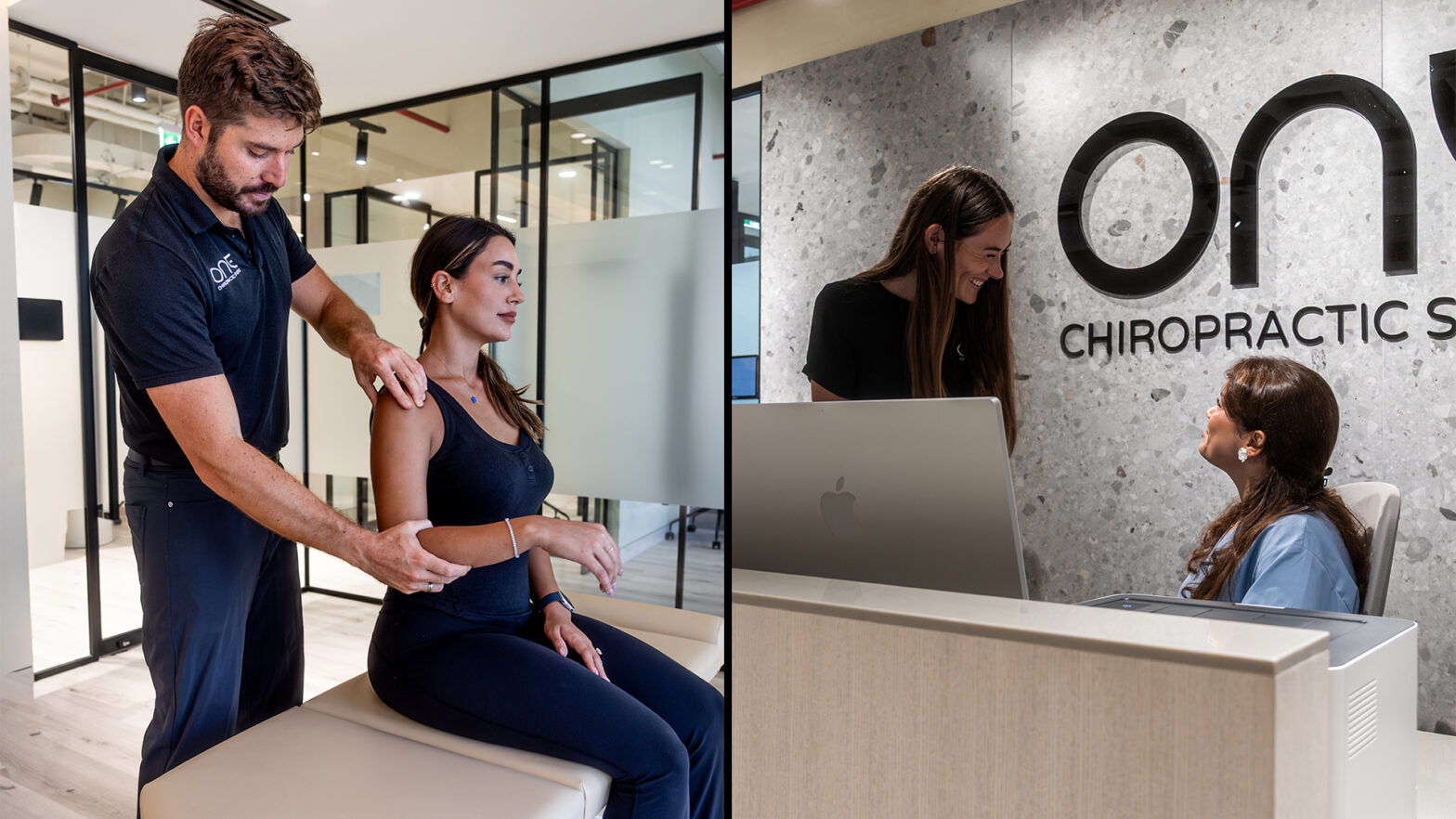







Healthcare has spent the last decade automating almost everything except the place patients actually touch first. Billing has been streamlined. Clinical documentation has been digitised. Supply chains, scheduling engines, and revenue cycle tools have all been modernised. Yet walk into most practices and the front desk looks remarkably like it did twenty years ago. A ringing phone, a full waiting room, and one or two people trying to be in three places at once.
I have come to believe this is not a small oversight. It is the single largest pocket of untapped efficiency left in outpatient care, and the organisations that recognise it first are going to pull meaningfully ahead.
The Front Desk Is the Bottleneck Nobody Measures
Every practice tracks clinical throughput, coding accuracy, and collections. Very few rigorously measure what happens at the front desk, even though it is where most patient experiences begin and where a surprising amount of revenue is quietly lost.
Consider what that single point absorbs. Inbound calls for scheduling, rescheduling, and cancellations. Insurance verification. Intake paperwork. Prescription refill requests. Referral coordination. Every one of those tasks is time sensitive, and every one competes for the same handful of staff at the same moment. When the phone rings during a busy check-in, something has to give. Usually it is the call that goes to voicemail, and the patient who never calls back.
That lost call is not just a service failure. It is an unbooked appointment, an unfilled slot, and often a patient who drifts to a competitor. The front desk is where demand meets capacity, and when it is overwhelmed, demand simply evaporates.
Why This Frontier Opened Now
Front-desk work resisted automation for a long time for a good reason. It is unpredictable, conversational, and full of exceptions. Older technology could handle a rigid phone tree but not a real conversation, so practices reasonably concluded that these tasks required humans.
That assumption no longer holds. The maturation of conversational AI has made it possible to handle the messy, spoken, exception-filled reality of front-desk work in a way that felt impossible only a few years ago. A system can now answer a call in natural language, understand why the patient is calling, check real availability, and complete the booking without a staff member ever touching it. The technology finally matches the shape of the problem, which is exactly why this frontier has opened now rather than a decade ago.
What Automation Actually Changes
The value here is frequently misunderstood as headcount reduction. In my experience that framing misses the point and undersells the opportunity. The real gain is capacity, not cuts.
When automating healthcare tasks with ai at the front desk, the routine, repetitive volume gets handled automatically, around the clock, without hold times. Appointments book themselves at eleven at night. Reschedules resolve in a text conversation. Refill requests route to the right place. What that does is not eliminate the front-desk team. It frees them to do the work that genuinely requires a human, the anxious patient who needs reassurance, the complex insurance problem, the family member with a delicate question.
The efficiency compounds in three directions at once. Practices capture revenue that used to leak away through missed calls and empty slots. Staff burnout eases because the impossible multitasking becomes manageable. And patients get a faster, calmer, more responsive experience that increasingly shapes where they choose to receive care.
The Strategic Case for Moving First
There is a competitive dimension that healthcare leaders should not ignore. Patient expectations are being set outside of medicine, by every other industry that now offers instant, self-service, always-available interaction. A patient who can rebook a flight by text in thirty seconds notices when their doctor’s office makes them call and wait on hold at nine in the morning.
The practices that modernise the front desk are not just trimming costs. They are aligning with how people now expect to interact with any service. That alignment builds loyalty, drives reviews, and quietly becomes a differentiator in crowded markets. The ones that wait will find themselves competing on an experience gap that gets harder to close each year.
An Efficiency Story Worth Getting Right
I do not think front-desk automation is a passing trend. I think it is the logical next chapter in a long arc of healthcare operational improvement, and it happens to be arriving at exactly the moment the underlying technology became good enough to deliver on it.
The efficiency frontiers of the past decade were largely invisible to patients. This one is different, because the front desk is where care begins. Getting it right means better economics for the practice and a better first impression for the patient, at the same time. I explored this piece with the team at HealthTalk A.I. and Infinite Labs Digital, who work with healthcare organisations putting exactly this kind of automation into practice.