






Patient and public safety in healthcare depend on far more than clinical staff working at the bedside. Specialised roles operating well outside direct patient contact play an equally critical part in preventing harm.
Pharmacy informatics and public health inspection both protect patient safety, but through fundamentally different mechanisms. One operates through data systems, while the other relies on direct physical oversight of real-world environments.
Neither role receives much public attention, despite the essential safety functions each one performs daily. Understanding how they differ reveals something important about how modern healthcare protection actually works.
In this article, we cover how pharmacy informatics protects safety through data and systems design, how health and safety inspection protects safety through direct oversight, why these roles rarely intersect, and what this division reveals about healthcare protection today.
How Pharmacy Informatics Protects Safety Through Data and Systems Design
Pharmacy informatics professionals design and manage the data systems that track medication orders, interactions, and dispensing. These systems are built to catch dangerous errors before they ever reach a patient.
Professionals considering this specialised career path often research pharmacy informatics salary expectations early in their planning process. Compensation in this field tends to reflect the technical and clinical hybrid expertise the role genuinely requires.
This role’s impact on safety is largely preventive and systemic in nature. The protection is built directly into the technology infrastructure itself, rather than delivered through any direct patient contact or bedside interaction.
The American Society of Health-System Pharmacists maintains specific standards for pharmacy informatics practice. These standards help ensure that medication safety systems function consistently and reliably across different healthcare settings.
This makes pharmacy informatics a genuinely behind-the-scenes safety function. Most patients benefit from it directly without ever becoming aware that the role, or the person performing it, even exists.
How Health and Safety Inspection Protects Safety Through Direct Oversight
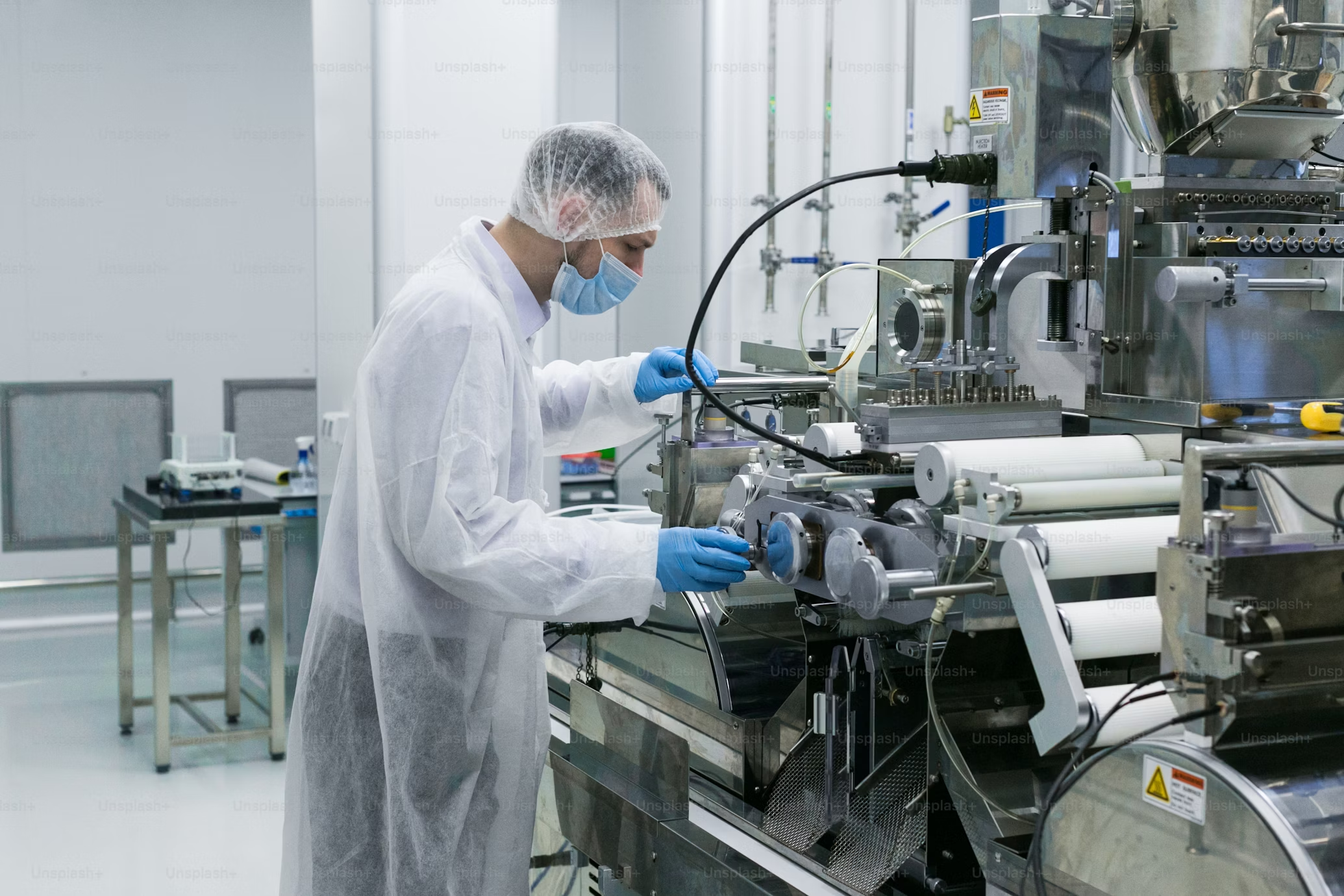
Health and safety inspectors physically evaluate facilities to identify hazards and ensure compliance with established safety standards. These facilities range from healthcare settings to food service establishments and general workplaces.
That kind of hands-on evaluation is central to what health and safety inspectors actually do on a daily basis. The work requires trained judgment applied directly within physical environments, not analysis performed at a desk.
This oversight is direct and observational by design, relying on field-based expertise rather than data analysis. An inspector’s findings come from firsthand evaluation of real conditions, not from reviewing reports after the fact.
The National Environmental Health Association provides credentialing that establishes professional standards for this inspection work. This credentialing helps ensure inspectors bring consistent, verified expertise to environments with real safety stakes.
OSHA’s workplace safety standards further define much of what inspectors are specifically evaluating in occupational settings. These standards give inspection work a clear, enforceable framework to operate within.
This hands-on approach makes health and safety inspection a visible, enforceable form of public protection. It stands in clear contrast to the data-driven, largely invisible safety functions performed elsewhere in healthcare.
Why These Roles Rarely Intersect Despite a Shared Goal
Pharmacy informatics and health and safety inspection typically operate within separate regulatory and professional frameworks. Both roles ultimately serve public and patient safety, but they rarely cross paths in daily practice.
This separation reflects the genuinely different skill sets each role demands. One is rooted in data systems and technology, while the other depends on field-based evaluation and direct enforcement authority.
The Institute for Healthcare Improvement’s patient safety framework recognises this kind of role specialisation as a strength, not a gap. Distinct, well-defined roles allow each function to develop deep expertise within its own specific domain.
Despite operating independently of one another, both functions contribute to the same broader goal. Preventing harm before it occurs remains the shared outcome, even when the paths to that outcome look completely different.
What This Division Reveals About Modern Healthcare Protection
Effective patient and public safety increasingly depends on a network of specialised roles working in parallel. No single point of oversight can realistically cover every safety risk across a modern healthcare system.
Recognising the distinct contributions of roles like pharmacy informatics and health and safety inspection helps organisations invest appropriately. Underfunding either function creates a real gap that the other role cannot fill on its own.
As healthcare systems grow more complex, this kind of specialised, multi-layered safety infrastructure will likely become even more essential. Complexity tends to create more potential failure points, not fewer.
Conclusion
Pharmacy informatics and public health inspection protect patient safety through genuinely different mechanisms. One is systemic and data-driven, while the other is direct and observational in nature.
As healthcare protection continues to rely on this kind of specialised, multi-layered approach, both roles are likely to grow in importance and visibility. Neither function is likely to become less necessary as systems continue to scale.