






The UK aesthetics industry continues to grow, with increasing demand for qualified medical professionals who can deliver injectable treatments safely and to a high standard.
As regulation tightens and public expectations rise, healthcare practitioners are looking for qualifications that demonstrate both competence and commitment to professional standards. The Level 7 Diploma in Aesthetics has emerged as one of the most recognised postgraduate qualifications in this field. For doctors, nurses, and dentists considering a move into aesthetics or seeking to advance their existing practice, it offers a structured route to greater credibility and career options. This article outlines what the qualification involves and how it can support long-term professional development.
What the Level 7 Diploma in Aesthetics Involves
The Level 7 Diploma in Aesthetics is a postgraduate qualification that encompasses injectable treatments, Botox and dermal fillers. It is a mix of clinical, hands-on training accompanied by didactic learning in order to foster theoretical education as well as practical clinical experience. Most programmes will include areas such as anatomy, pharmacology, consulting skills, complications management, and professionalism and ethics.
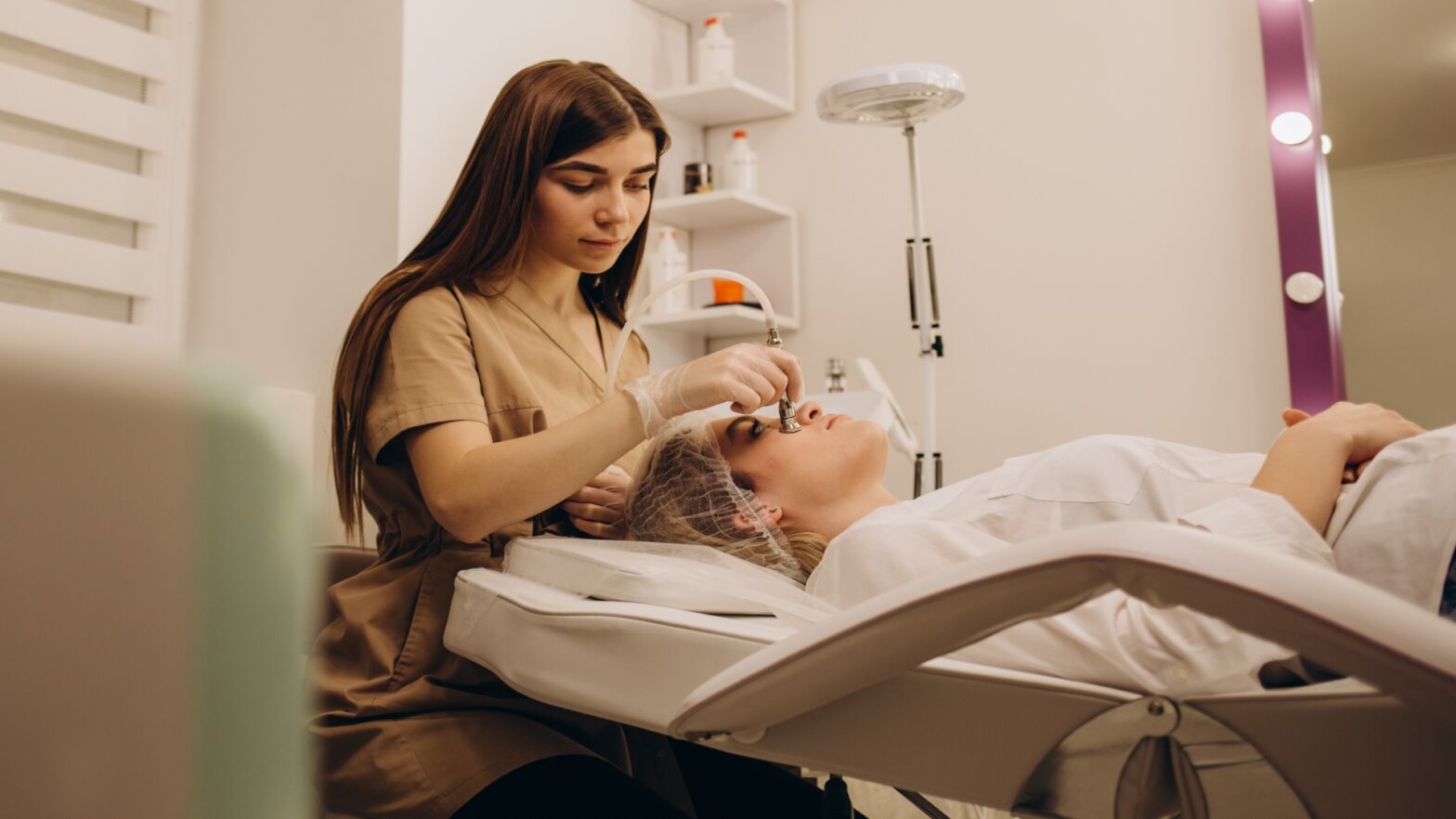
Many providers will organise observed and supervised practice on live models under expert trainers. Essentially, the Level 7 Diploma in aesthetics training is considered a requisite for those who wish to develop a long-term, ethical, and sustainable career in the medical aesthetics sector.
How the Level 7 Strengthens a Medical Career
For medical professionals, a Level 7 diploma can be a significant asset in an increasingly competitive and regulated professional landscape. It will communicate to prospective employers, insurers and patients that the anesthetic injectable practitioner has competently completed advanced aesthetic training beyond the typical introductory courses that are offered. Having such a certificate will often provide greater insurability and facilitate the legal and effective provision of a larger range of procedures.
As the industry becomes more regulated, having your diploma will help you stand out and allow you to acquire a position at a reputable clinic or work as freelancer or full-time independent clinic. It will also future-proof your career by ensuring that you potentially meet the upcoming regulatory standards that have been much advocated for.
JCCP Recognition and What It Means
The Joint Council for Cosmetic Practitioners (JCCP) is the industry-led self-regulator for the non-surgical aesthetics industry. JCCP-approved qualifications are recognised as having been subjected to scrutiny and assessment to ensure that both high educational and clinical practise standards are met. The Level 7 Diploma is just one of a few postgraduate qualifications that have met this recognition criteria. Naturally, this provides practitioners with reassurance that their training has been accepted in the industry and also provides consumers with reassurance that their practitioner has met the expected educational standards.
As the industry continues to grow under its new legal framework, it is likely that accreditation will become increasingly important.
Benefits for UK Healthcare Practitioners
UK-based doctors, nurses, and dentists on the Level 7 course benefit in many practical ways. It supports career progress by enabling the individual to move into positions at designated clinics, and there is the potential to maximise earnings by being able to provide more treatments.
It also provides them with a sense of credibility within the medical aesthetics space, and they have the option to work privately as a medical professional with the appropriate aesthetics insurance. For many healthcare practitioners, this qualification offers the opportunity to take a reasonable first step towards aesthetics without compromising their medical integrity, with the hope of committing to significantly more in the future.
Benefits for International Practitioners
International healthcare professionals can certainly benefit from gaining the Level 7 Diploma. A UK-based qualification is useful to demonstrate a commitment to the highest level of education and training and can improve both UK job prospects and employability in a foreign country where the same level of education is sought after.
If you are a healthcare professional considering work in the UK, this qualification can make a difference to your application, enabling better conversations and discussions with potential employers or clinics. Recognise that there may be other conditions or requirements such as visa status and professional body registration, which may vary according to your circumstances.
How to Choose a Training Provider
The choice of training provider is one of the most crucial considerations to make before embarking on your Level 7 journey. As a baseline requirement, those interested in pursuing this qualification must check that the course is both JCCP approved and led by medical trainers who have extensive experience and a strong background in clinical practice.
Other considerations include the amount of clinical placements and practical training provided by the training provider, as well as the aftercare and support once the course is completed. The pass rate, graduate results, and mentoring support upon graduation offer helpful insights as to the degree of training received. Researching and comparing training providers is a surefire way to ensure you don’t end up on a course that leaves you disappointed.
Making the Right Move for Your Career
The Level 7 Diploma is most beneficial for practitioners who have already gained some clinical experience and are committed to working in aesthetics long-term. It requires a significant investment of time and resources, so it is worth assessing whether it aligns with current career goals and professional development plans. For those ready to take this step, the qualification can provide both immediate credibility and a strong foundation for future growth in the field.
Conclusion
The Level 7 Diploma in aesthetics offers medical professionals a recognised and respected route into or advancement within the aesthetics sector. By combining academic learning with practical clinical experience, it supports safer, more competent practice while enhancing professional standing. For practitioners serious about building a sustainable career in this area, investing in a high-quality Level 7 programme can be a meaningful step toward long-term success.