





Most of what determines our health happens nowhere near a doctor. It comes down to your neighborhood, your kitchen, your commute, and your bank account. That’s an uncomfortable thing to hear inside a hospital, but it is backed by data.
As per government data, social and economic factors are weighted as the largest contributor to length and quality of life at 40 percent, while clinical care contributes only 20 percent. Factors like housing, transportation, and access to nutritious food often play a greater role in health outcomes than health care does. These are referred to as “social determinants” of health.
This tension creates a real problem for a system organized around short office visits. If health is mostly built outside the clinic, a model that only operates inside one is always going to be playing catch-up. The interesting development of the past decade is how many community-focused services have stopped waiting for patients to come to them and started meeting people where their lives unfold. The results have been strong enough that even the budget-minded have come around.
Care that goes where people already are
Community health centers are the clearest example. These are the neighborhood clinics that see you regardless of whether you can pay, and they have grown into a major pillar of American primary care. In 2024, more than 32.4 million people relied on HRSA-funded health centers, across 139.4 million visits. They are also incredibly efficient. According to the National Association of Community Health Centers (NHCA), these centers provide primary care to about 14 percent of the U.S. population while accounting for only around 1 percent of total healthcare spending.
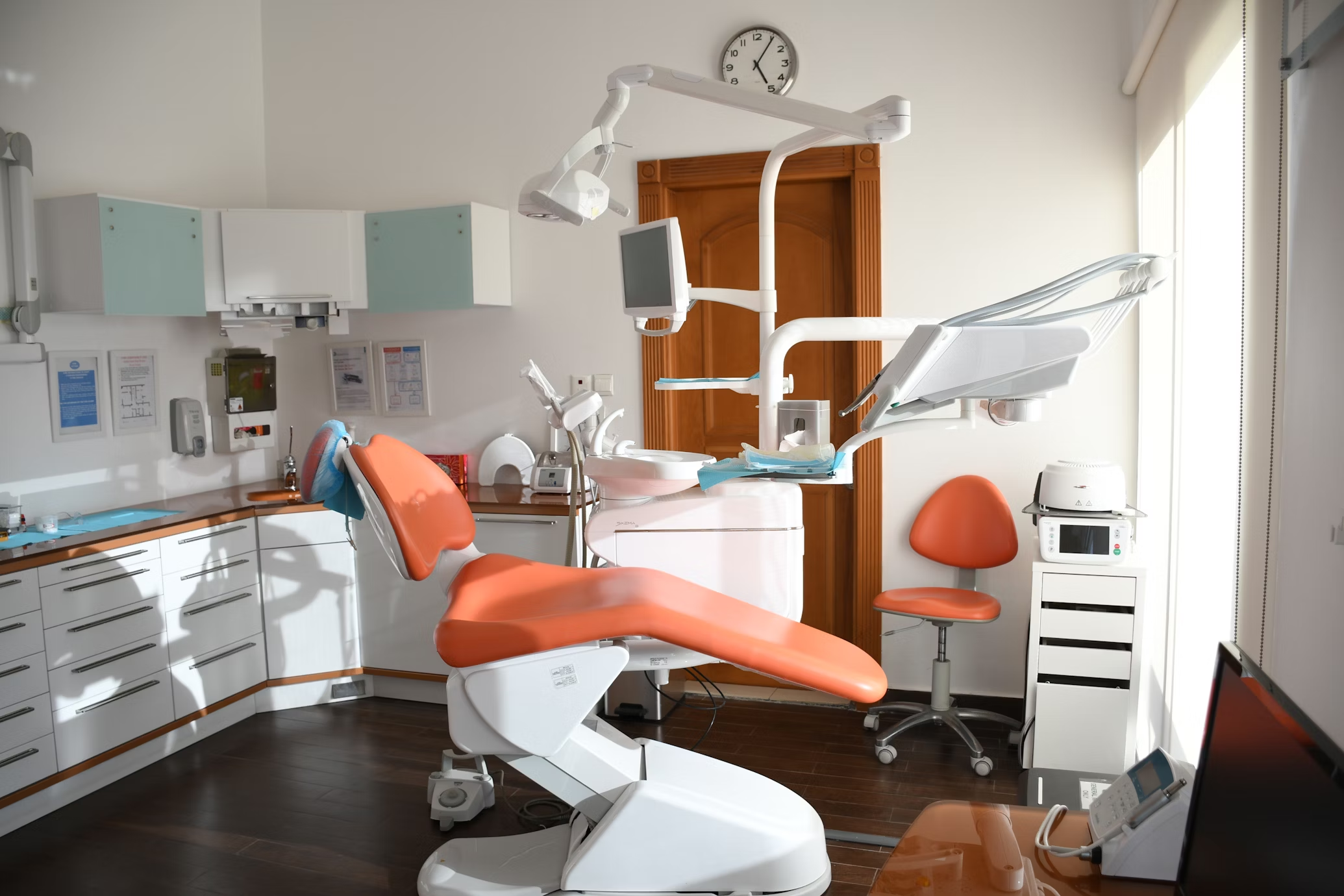
A lot of that comes down to who these clinics were built for. Nine in ten health center patients live in low-income households, and roughly three in ten live in rural areas. Plenty arrive uninsured. When a clinic is designed around that population from the start, with sliding-scale fees and dental and behavioral health services in the same building, the care fits the patient instead of asking the patient to contort around the care.
The outcomes back this up. During 2024, health centers helped more than 3.6 million patients bring their high blood pressure under control and supported over 2.2 million patients in managing diabetes. There are even signs that the benefit reaches newborns. One study found that mothers with access to a community health center tended to have babies with higher birth weights and a lower likelihood of low birth weight, an effect researchers attribute to earlier prenatal care. Obviously, this is based on just one study, but the findings are very encouraging, nonetheless.
Looking Beyond The Numbers
Making care easy to reach is only half the job. A clinic can be free, well-staffed, and conveniently located, and still sit half empty if the surrounding community has reasons to keep its distance.
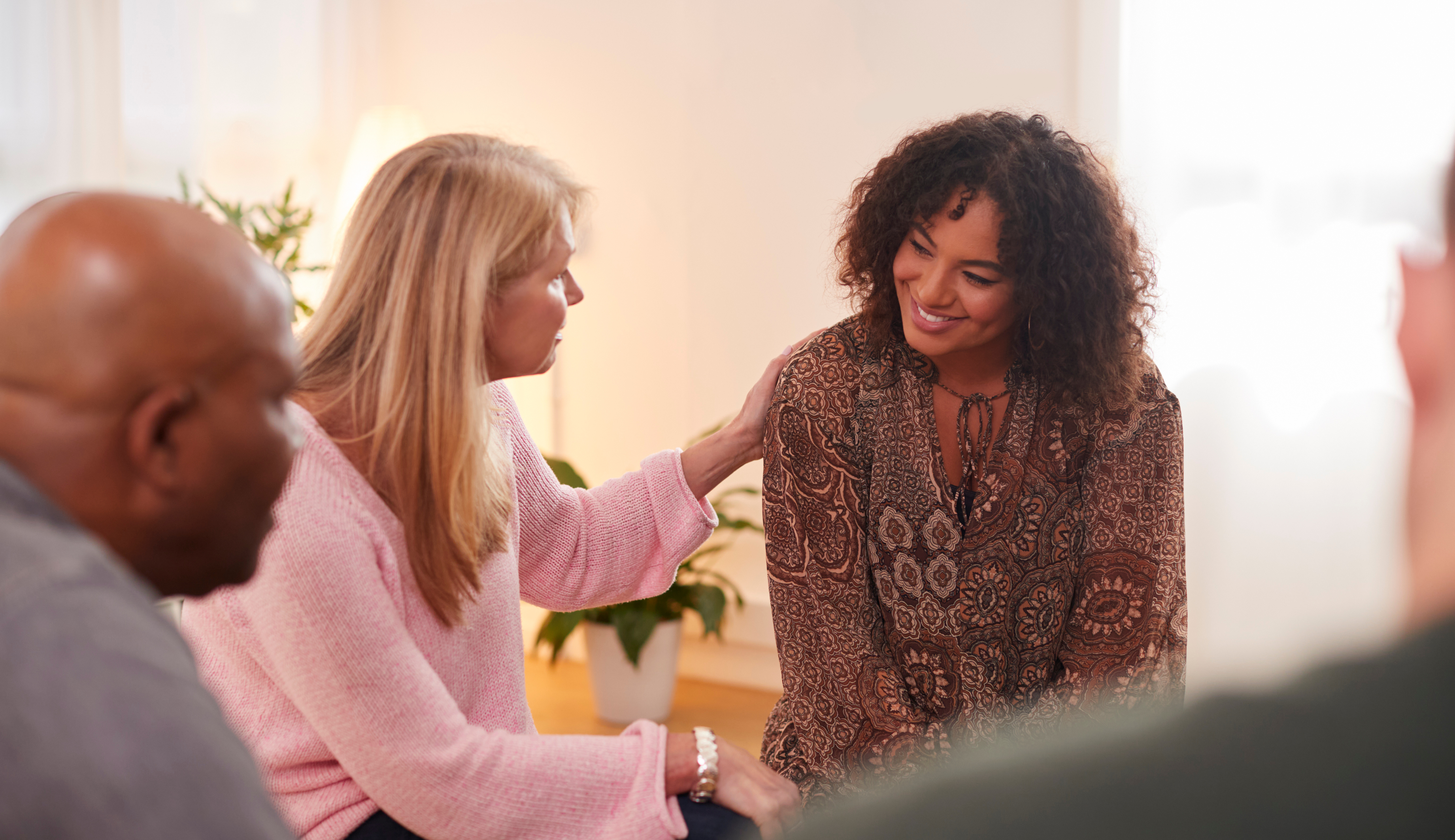
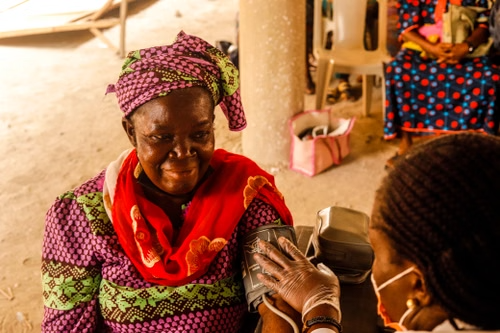
Community health workers can help in bridging these “distances” by creating trust and buy-in. Health systems hire them specifically because they come from the communities they serve, so they already know the local landscape, share the language, and understand the practical reasons someone might miss a follow-up appointment. Their effectiveness grows out of that familiarity. Their capacity to build trust and improve communication between patients and clinicians stems directly from lived experience inside the community.
To back up these claims, we have a 2023 systematic review, which reported strong evidence that community health worker programs improve outcomes for people managing diabetes, hypertension, and cardiovascular disease, alongside gains in cancer screening rates and access to primary care. The financial case is just as concrete and can be held up across dozens of programs, not just one. A 2026 systematic review in The Lancet Regional Health pooled 41 community health worker programs across 23 states and found a median return of $2.12 for every dollar invested, with most of the savings coming from fewer hospital stays and emergency visits. So, to put it concisely, catching a problem early in someone’s living room simply costs less than treating it later in an emergency department.
Prevention, collaboration, and the people who do the work
What ties these programs together is a willingness to coordinate rather than operate in isolation. A community-focused model connects the food bank to the pharmacy, the school nurse to the housing caseworker, and the screening reminder to the neighbor who finally talks someone into going. Local support systems handle the unglamorous task of spotting small issues before they become expensive ones, and that solid grunt work is where a lot of the savings and better outcomes come from.
The same philosophy is leading to a revaluation of how clinicians train. Education for frontline roles is shifting toward prevention, health education, and continuity of care, including pathways like a Family Nurse Practitioners program, that prepare providers to care for patients across an entire lifespan rather than treating one complaint at a time. Demand for exactly this kind of generalist is rising quickly, which suggests the training is following where the need already points.
There is nothing sentimental about any of this. It is simply what happens when services are built around how people genuinely live, with all the specific constraints and complications that are involved. You get wider access, deeper trust, and measurable improvements, often for less money than the old approach spent on worse results. The one-size-fits-all system was never neutral. It worked best for whoever resembled the assumptions it was built on, and community-focused care is finally widening that frame.