





While breakthrough medicines usually capture headlines, the systems that make them possible rarely receive the same attention. Biologic drugs, cell therapies and gene therapies are creating new possibilities for treating complex diseases. However, none of these advances can reach patients without reliable bioprocessing. It supports every stage of production and helps turn scientific discoveries into safe, high-quality medicines that can be manufactured at scale.
Why Has Bioprocessing Become Essential in Modern Medicine?
Modern medicine is changing. Traditional medicines produced by chemical processes remain an important part of healthcare, but many of today’s biggest advances are biologic drugs made from living cells or other biological materials. As these therapies become more common, bioprocessing has become an essential part of turning scientific discoveries into medicines that patients can actually receive.
Bioprocessing supports many lifesaving therapies, including:
- Targeted cancer therapies: Monoclonal antibodies recognize specific cancer cells, which helps doctors target the disease and minimize damage to healthy tissue.
- Cell and gene therapies: Treatments such as CAR-T therapy use a patient’s own immune cells to fight certain cancers. They bring personalized medicine into everyday clinical practice.
- Vaccines: Bioprocessing helps manufacturers produce vaccines at the scale needed to respond quickly during infectious disease outbreaks and other public health emergencies.
- Protein-based medicines: Manufacturers use bioprocessing to produce recombinant proteins, including insulin for diabetes and clotting factors for hemophilia. This gives patients a reliable supply of essential medicines.
These therapies have already improved outcomes for many patients, and their role in healthcare is only expected to grow. For every biologic already on the market, several more are still moving through clinical development. That momentum is placing increasing pressure on manufacturers to keep pace with scientific progress. Therefore, bioprocessing is now more important than ever.
Why Are Today’s Most Promising Therapies So Difficult to Manufacture?
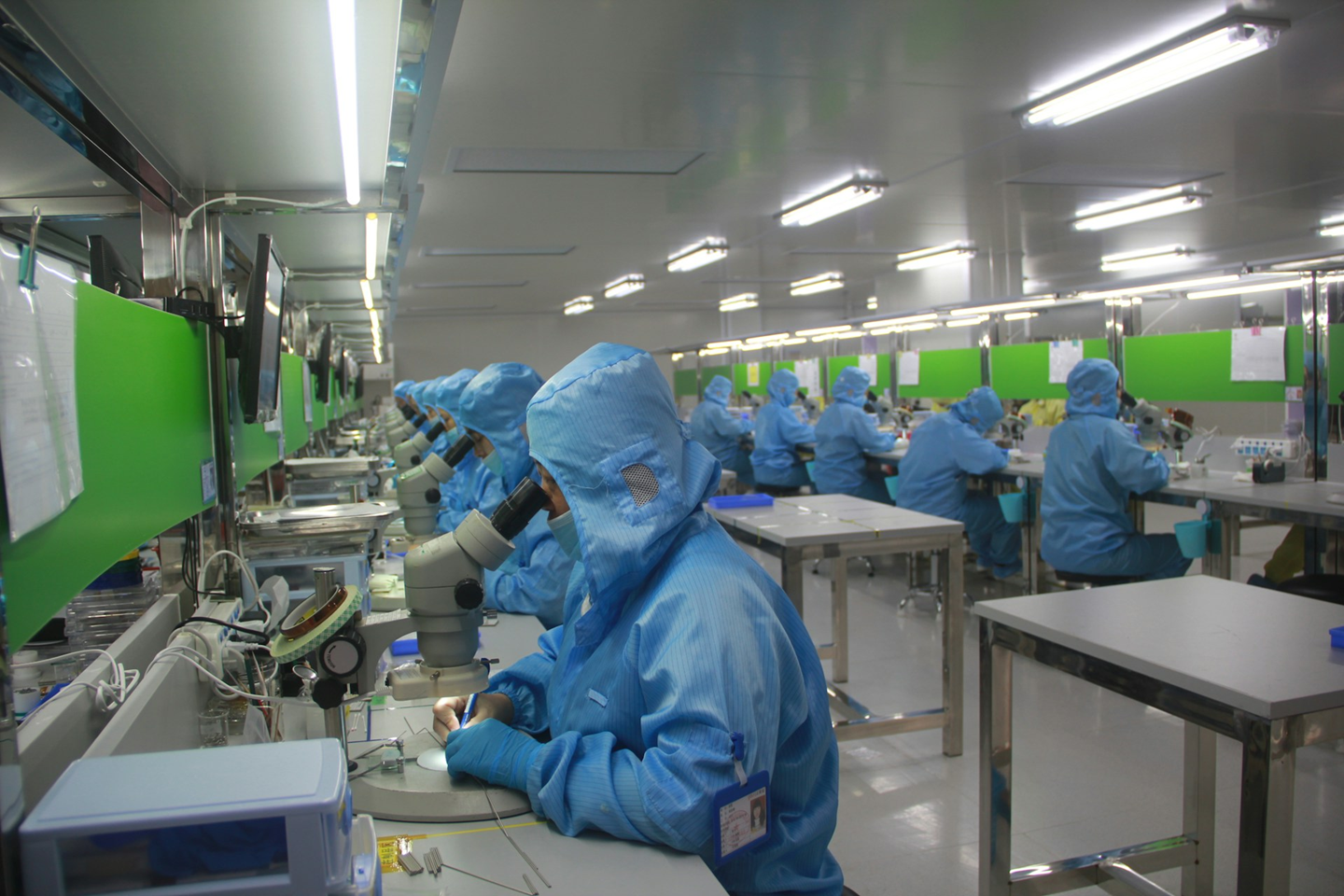
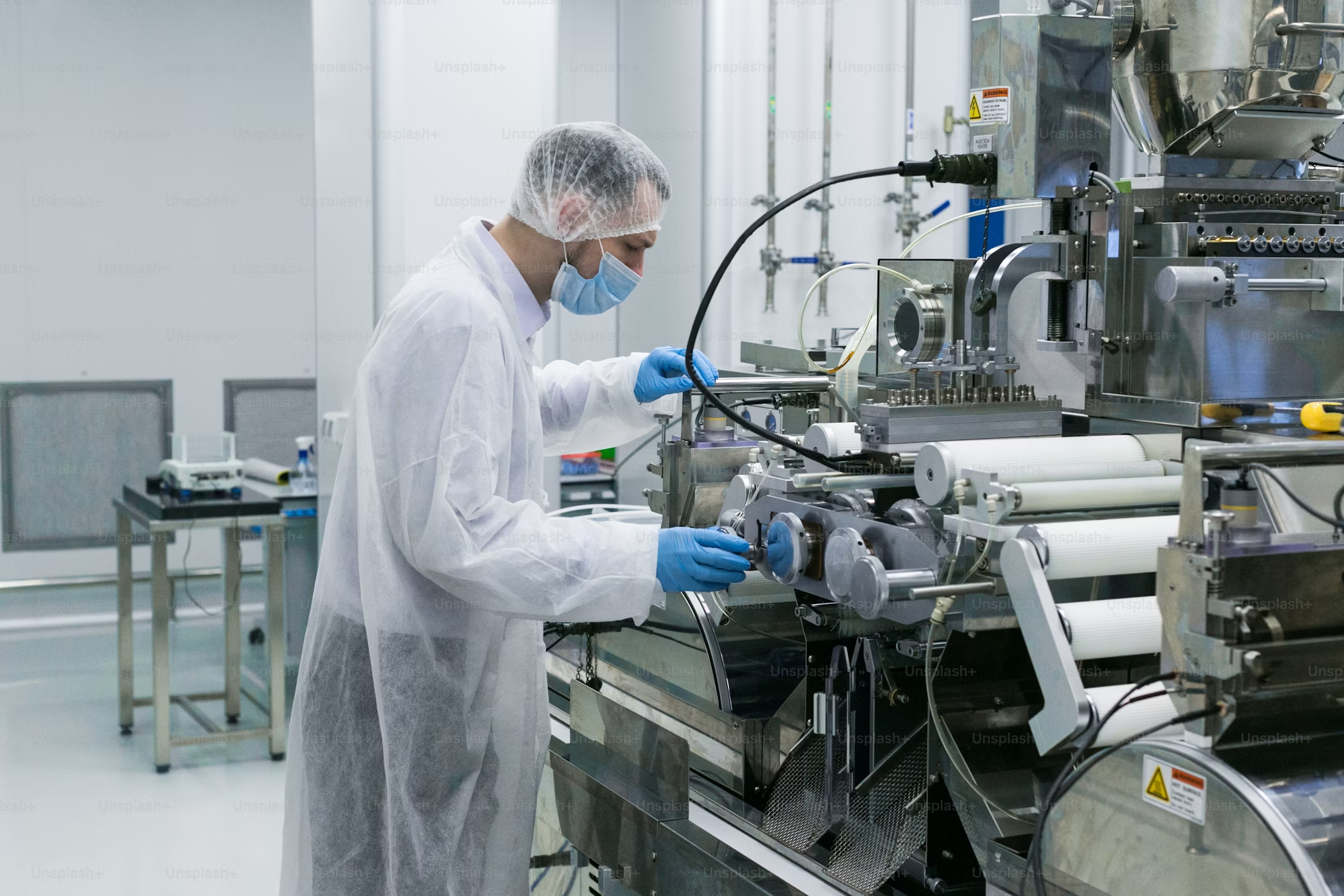
Discovering a promising therapy is only the beginning. Producing it safely, consistently and in enough quantities for patients is the greater challenge. Unlike traditional medicines, biologics rely on living cells to produce the final therapy. These cells must grow under carefully controlled conditions, and every stage of production must meet strict quality standards.
Manufacturers also need to purify, filter and test each batch before it can be released. Even small changes during production can affect the medicine, leaving little room for error. Living cells make the process more vulnerable to contamination. This means manufacturers must maintain sterile conditions from start to finish.
Heat-sensitive biologics require refrigeration throughout manufacturing, storage and transport. Together, these requirements make biologics more expensive and time-consuming to produce than conventional medicine.
Some therapies are especially demanding to manufacture. High-concentration monoclonal antibodies, for example, can become thicker and less stable as manufacturers increase their concentration. These properties can make production, filling and quality testing more difficult, requiring new manufacturing technologies and closer collaboration across teams.
How Is Bioprocessing Changing the Way Medicines Are Made?
The challenges of manufacturing biologics have driven rapid innovation in bioprocessing. Rather than relying solely on traditional methods, manufacturers are adopting new technologies that make production faster, more efficient and more reliable.
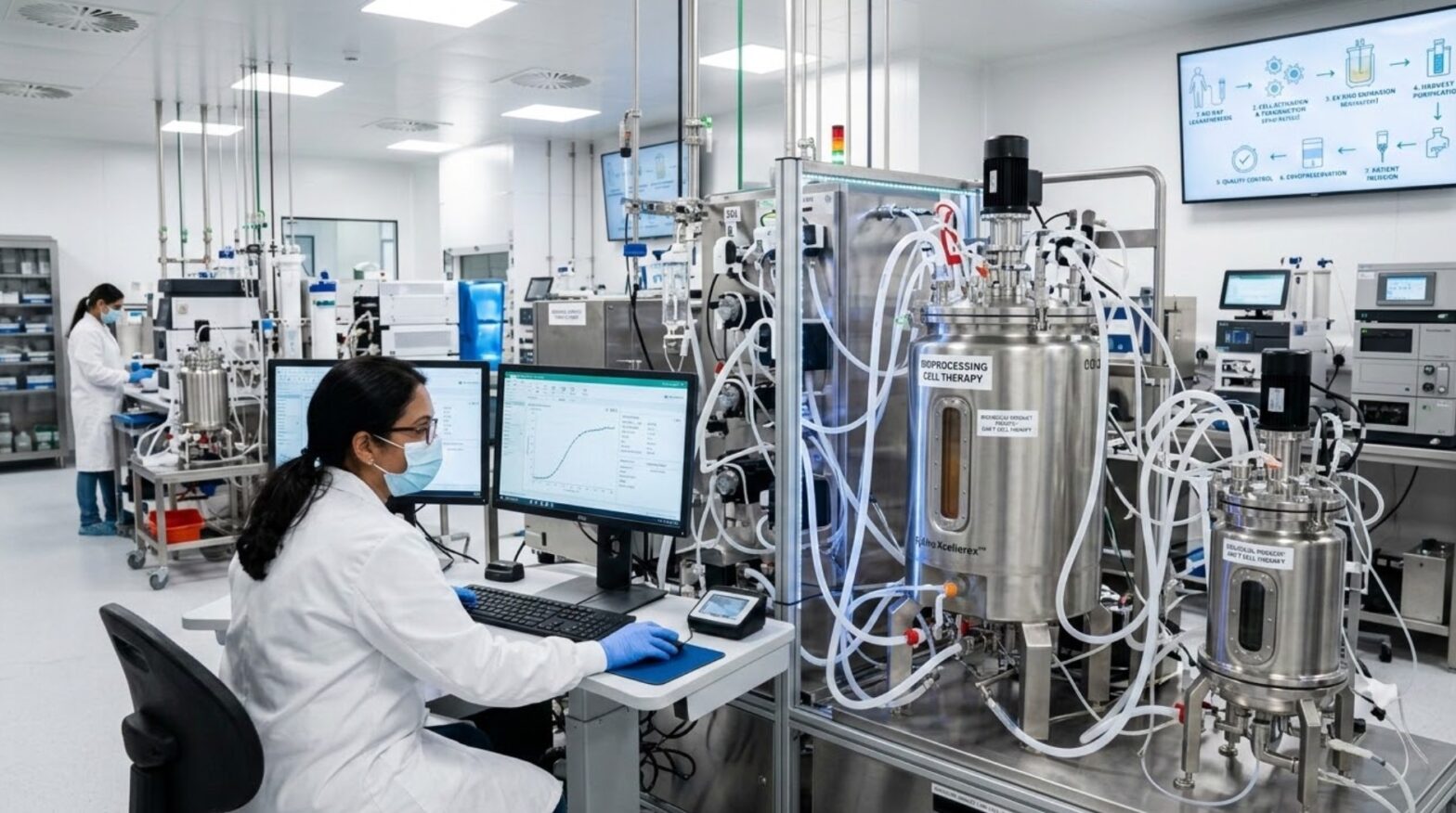
One of the biggest changes is the move toward continuous bioprocessing, where production runs with fewer interruptions and each stage connects more seamlessly. This method reduces downtime, improves process control and helps manufacturers get more from each production run.
Research shows continuous bioprocessing can lower production costs by up to 35% compared with conventional batch processing. This biomanufacturing improvement enhances efficiency and supports more reliable pharmaceutical manufacturing. At this pace, hybrid facilities can reach profitability two years earlier than traditional facilities.
Companies continue to improve upstream operations, where therapies are produced, as well as downstream processing, where they’re purified and prepared for patient use. The industry is also embracing Bioprocessing 4.0, which combines real time monitoring, automation, artificial intelligence, digital twins and single-use technologies to maximize production.
What Will It Take to Deliver Tomorrow’s Breakthroughs at Scale?
The pace of scientific discovery shows no signs of slowing. The challenge is ensuring manufacturing can keep up. Manufacturers will need stronger supply chains, continued investment in new production technologies and a workforce equipped to manage increasingly sophisticated biomanufacturing environments.
While technology will continue to improve manufacturing, lasting progress will also depend on the people and systems behind it. Collaboration between pharmaceutical companies, technology providers, researchers, regulators and healthcare systems is important in helping therapies advance and reach more patients.
According to Chris Riley from Danaher, progress depends on collaboration across geographic and organizational barriers. Riley states, “Progress will require continued innovation in process technologies that improve yields and reduce costs. It will require digital and automated systems that increase reliability and speed while protecting quality. It will require resilient, visible global supply chains and a workforce trained to operate increasingly sophisticated manufacturing environments.”
Many organizations are already investing in that future. Among them is Danaher, which supports bioprocessing through research and development hubs in Sweden, the U.S., Switzerland and the UK. The company also has training, collaboration and innovation centers across 10 locations worldwide. It works with industry, academic institutions and public sector partners to advance cell and gene therapy manufacturing and develop new solutions.
The industry’s momentum continues to build. One market analysis projects that the continuous bioprocessing market will grow from $319.77 million in 2025 to $2.33 billion by 2035. This signals continued investment in the technologies and infrastructure that will help turn scientific breakthroughs into treatments that reach patients faster.
The Science Behind the Science
Bioprocessing is a critical part of delivering the next generation of medicines. Continued advances in technology, infrastructure and collaboration will help ensure scientific discoveries move outside the laboratory and into clinical practice. The stronger these systems become, the more patients will have the opportunity to benefit from tomorrow’s medical breakthroughs.