








Healthcare professionals share many things in common, but empathy is by far the most important. Whether you’re a nurse or a speech-language pathologist, your goal is to support patients through hard times and manage their health. However, patient support looks different based on your job title, patient base, and your training.
Healthcare is becoming increasingly inclusive, and that’s because of the diverse roles and improved accessibility of today. You can still find underserved communities without support, but modern initiatives are closing that care gap. Today, medical and nursing schools prioritise inclusivity and cultural competence to support a diverse range of patients.
This, paired with the rising accessibility for specialised care, has ushered in a new era of care. It didn’t happen overnight, and the journey is far from over, but the progress is beautiful.
Follow along as we explore how a new era of healthcare professionals is reshaping patient support.
Treat and Advocate for Families
Many people see a doctor or nurse practitioner as a child, then see someone else, or many other healthcare providers, for the rest of their lives. While there’s nothing wrong with that, countless people can even benefit from seeing the same healthcare professional their entire life. That’s where family nurse practitioners come into play, offering unparalleled patient support.
Family nurse practi0tioners (FNPs) treat patients of all ages from childhood through adulthood. Seeing the same FNP throughout your life provides continuity of care that you can’t otherwise find. FNPs build long-term relationships with their patients, which provides peace of mind.
As a patient, you can relax knowing that your FNP takes your entire medical history into account with each visit. It’s projected that the FNP field will grow by 35% to 46% over the next decade. The FNP boom will help a diverse range of patients throughout the country.
Specialised Care is Widely Available
For many years, countless patients struggled to receive the specialised care they needed. Many underserved communities lack specialised doctors and nurses. Financial barriers, bias, and long wait times also prevented many people from receiving the best possible patient support.
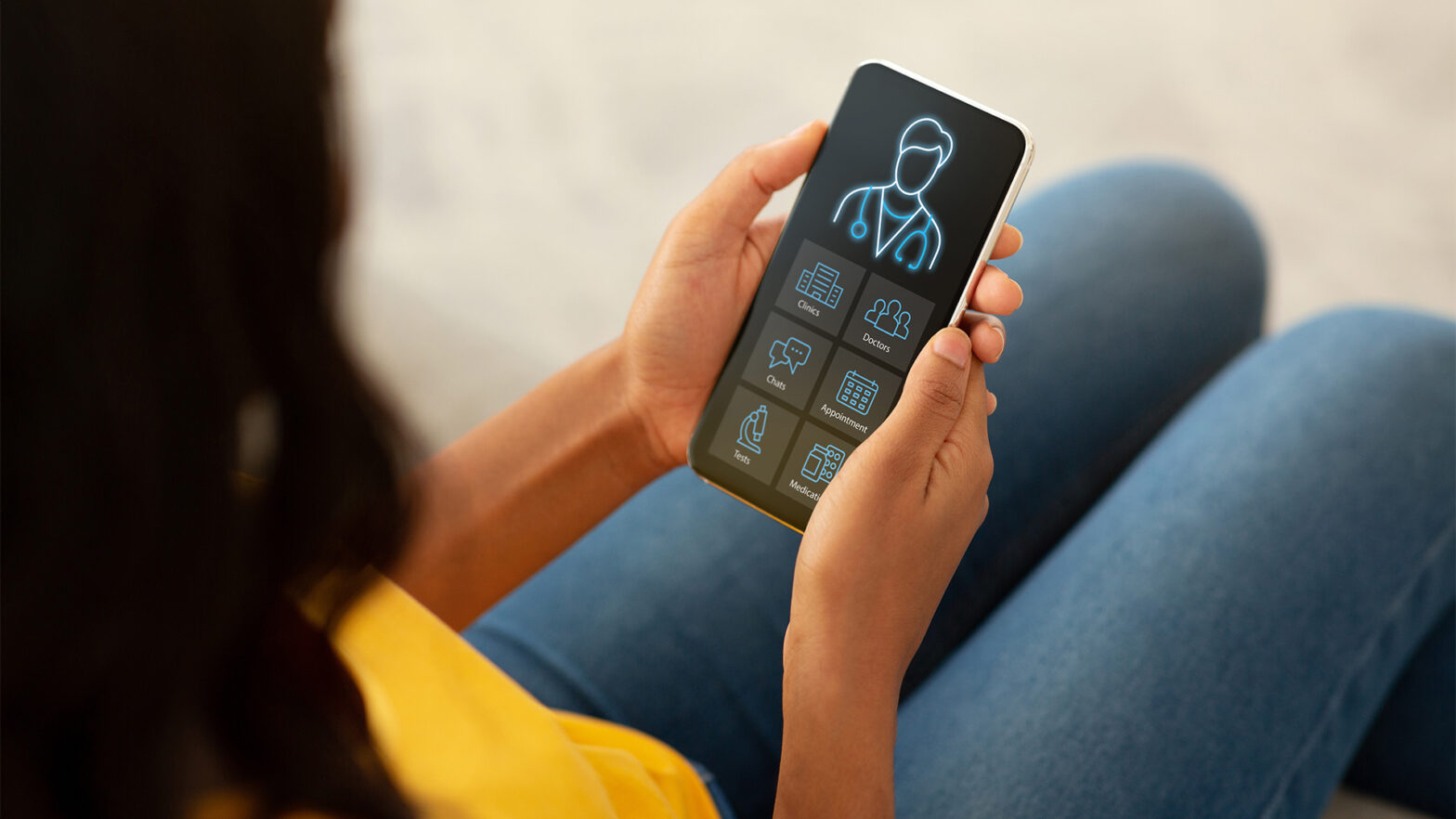
Today, more and more patients can access specialised care through technology and improved care models. Many doctors, nurse practitioners, and even large healthcare conglomerates embrace telehealth systems and platforms. Doctors who diversify their skills and embrace telehealth can help more people despite their geographic barriers.
This is a big deal if you don’t have a neurologist in your town, but your primary care physician (PCP) can connect you to one. The same can be said for therapists and psychiatrists. Telehealth is here to stay, and modern healthcare professionals owe it to their patients to embrace it.
Community Support
Community health workers (CHWs) don’t always get recognised as much as nurses and doctors do. However, CHWs hold one of the most diverse healthcare roles, and their community contributions are invaluable. They support patients in the heart of their own communities through outreach, advocacy, education, and intervention.
CHWs connect patients with social workers, doctors, nurse practitioners, and even addiction treatment programs. They also often provide information regarding harm reduction, transportation, housing assistance, and healthcare benefits. In many ways, CHWs serve as the frontline caregivers supporting patients in communities that were previously overlooked.
Of course, CHWs also screen patients, evaluate their health, and help them manage chronic conditions. CHWs often come from the communities they serve, and that helps foster patient trust.
Communication Disorder Treatment is More Prominent
It’s estimated that 10% of people suffer from communication disorders in the United States alone. With millions of people suffering from speech, language, and swallowing disorders, you’d think their care has always been widely available. Sadly, not every community always has speech-language pathologists readily available.
Luckily, SLP is a growing field with a 25% projected growth rate over the next several years. That means that patients struggling with speech and swallowing disorders or neurodivergences can more easily receive great care. The rise of the SLP field has also helped raise awareness about how many people are affected by communication disorders.
This influx of SLPs, paired with the rise of telehealth, is reshaping patient support for those with communication disorders. SLPs serve a diverse range of roles and help not only their patients but also those around their patients.
Improved Cultural Competence
The United States is a melting pot, and people of all backgrounds deserve to get the best possible care. Previously, cultural ignorance and language barriers made this difficult in certain communities. Now, more and more healthcare professionals and even academic institutions prioritise cultural competence.
You will also likely find translators or interpreters in larger hospitals, especially in more diverse cities. Medical interpreters pair medical knowledge with a deep cultural and linguistic understanding. They ensure that patients won’t feel misunderstood or receive less attention than other patients.
Today, some healthcare facilities also embrace HIPAA-compliant translation tools. That way, doctors and nurses can communicate with patients even if no medical interpreter is available. This is quite valuable in busy emergency rooms and packed clinics.
Progress and Patient Support Go Hand in Hand
As aspiring healthcare professionals break into more diverse roles, their communities reap the benefits. Many essential healthcare fields, such as speech-language pathology and family-focused care, are rising. The rise of telehealth connects patients with specialised healthcare providers regardless of their location.
This coincides with the rise of community health workers, who advocate for, treat, and educate the people around them. Many people in underserved communities received such care and resources, but that is turning around. This makes sense, considering how much the healthcare world has embraced cultural competence, which was previously a problem.
Patients from diverse backgrounds receive better care today, and the number of people from diverse backgrounds working in healthcare has increased. That should have always been the case, but this