




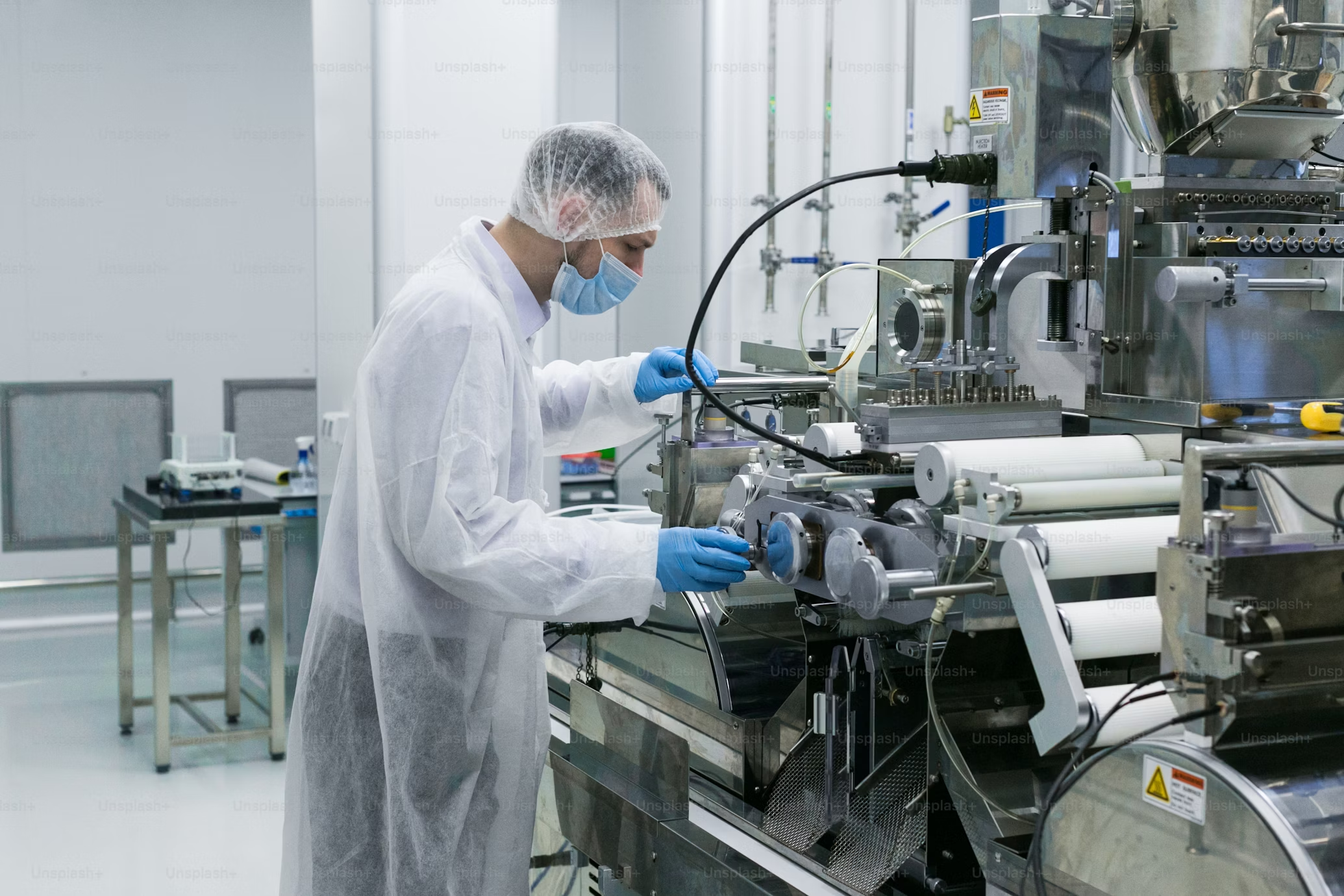




When it comes to their health, patients trust that their medicines and medical devices are effective and that their packaging is safe. Today, people scrutinise the safety and efficacy of healthcare products.
While robust testing is standard in the pharmaceutical, medical and healthcare industries, transparency into these tests is a newer expectation.
The Role of Material Testing in Medical Product Reliability
Proper material testing procedures help demonstrate that medical products are safe, reliable and efficient. However, patients can’t personally review every test result. Instead, they rely on indirect information from manufacturers, regulators and providers.
Transparency from these stakeholders about testing helps patients feel more confident that their pharmaceuticals and medical devices will perform as expected.
Material testing is the process of measuring various properties of materials or components. Testing may include measuring how materials react to specific stress, loads or environmental conditions.
Additionally, tests may be destructive or nondestructive. Destructive tests require a sample that gets damaged or destroyed during testing. For example, performing an impact test on a medical device to the point of failure will destroy the device. Nondestructive tests use magnetic fields, sound waves or X-rays to examine materials without damaging them.
In healthcare, medical material testing is essential to reduce the risk of toxic, allergic or otherwise harmful reactions to pharmaceuticals, medical devices and packaging.
Kinds of Material Testing Techniques
There are many different medical and pharmaceutical material testing techniques. Here are some of the main mechanical, biological and chemical tests.
Tensile Tests
Tensile tests stretch a material until it breaks. These usually pull a material in one direction, creating a uniaxial tensile load, and measure the material’s ability to resist that force. Because the material is stretched until failure, tensile tests are destructive.
Compression Tests
Compression tests squeeze a material until it deforms or breaks. These tests generally compress a material between two plates to measure its ability to resist buckling or crushing. Because the material is compressed until failure, compression tests are destructive.
Cytotoxicity Tests
Cytotoxicity tests measure whether a material damages, alters the form or structure, or decreases the viability of living cells. These tests are essential for determining the biocompatibility of medical devices and evaluating the potential toxic effects of pharmaceuticals.
Cytotoxicity tests may be destructive or nondestructive to the material being tested, but they do destroy the cell cultures being evaluated.
Extractables and Leachables (E&L) Tests
E&L tests evaluate chemicals that can get into pharmaceuticals from manufacturing equipment, packaging and delivery devices and affect the drug’s components, including its active ingredients. These impurities or chemical entities can affect a drug’s potency, stability, effectiveness and safety.
Extractable tests force potential chemical migrants from materials, often by exposing them to solvents or extreme temperatures. These tests are generally destructive.
Leachable tests store finished products in their final containers under normal or accelerated conditions and analyse them over time to determine which chemicals naturally migrate into the products. These tests are generally nondestructive to the containers but may damage the products being examined.
Fourier-Transform Infrared (FTIR) Spectroscopy Tests
FTIR tests identify the chemical composition or molecular structure of a material by measuring how it absorbs infrared light. These tests can help check raw materials, detect contamination or oxidation, or verify batch consistency. Because the material is only exposed to infrared light, FTIR tests are generally nondestructive.
Universal Testing Machines
A universal testing machine can test various properties of many different material types. “Universal” refers to its ability to perform many kinds of tests, such as compression, tension and bending, on one machine. Different materials require specific test speeds and travel distances during evaluation.
Additionally, organisations such as ASTM International or the International Organisation for Standardisation (ISO) may specify certain testing parameters, such as specimen preparation, gauge length, loading rate or fixturing requirements. A universal testing machine allows repeatable, standards-based tests across healthcare-related materials, such as packaging, films, nonwovens and plastics.
Why Transparency Is Essential for Patient Confidence
Patient safety starts before the clinic with rigorous material testing. However, patients need visibility into the testing process to feel confident in it. Transparent testing means more than just passing the tests and asserting that materials passed. It involves sharing several types of information in an easily accessible way.
Companies should be transparent with:
- Testing protocols
- Testing standards
- Acceptance criteria
- Documentation practices
- Evidence of adherence to industry and legal standards
- Test data, including batch or lot traceability and deviations
Open documentation and disclosure of test results, especially for new or innovative materials, help patients evaluate products and trust claims of quality, safety and efficacy.
Additionally, new ISO standards, such as 20417:2026, explicitly require clearer labeling, traceability and documentation, tying product safety and performance to accessible information. Medical device manufacturers must supply specific information, including marking, packaging information and accompanying documentation.
Building Patient Confidence Through Better Testing
Universal standards, reliable technologies and visible reporting are key to sustaining patient and provider trust as medical technology advances. Standards-based methods support repeatable, defensible results.
As healthcare materials and products become more advanced, clear documentation and reporting will be essential to maintaining that confidence.
Credit for Image: Photo by Towfiqu barbhuiya on Unsplash