



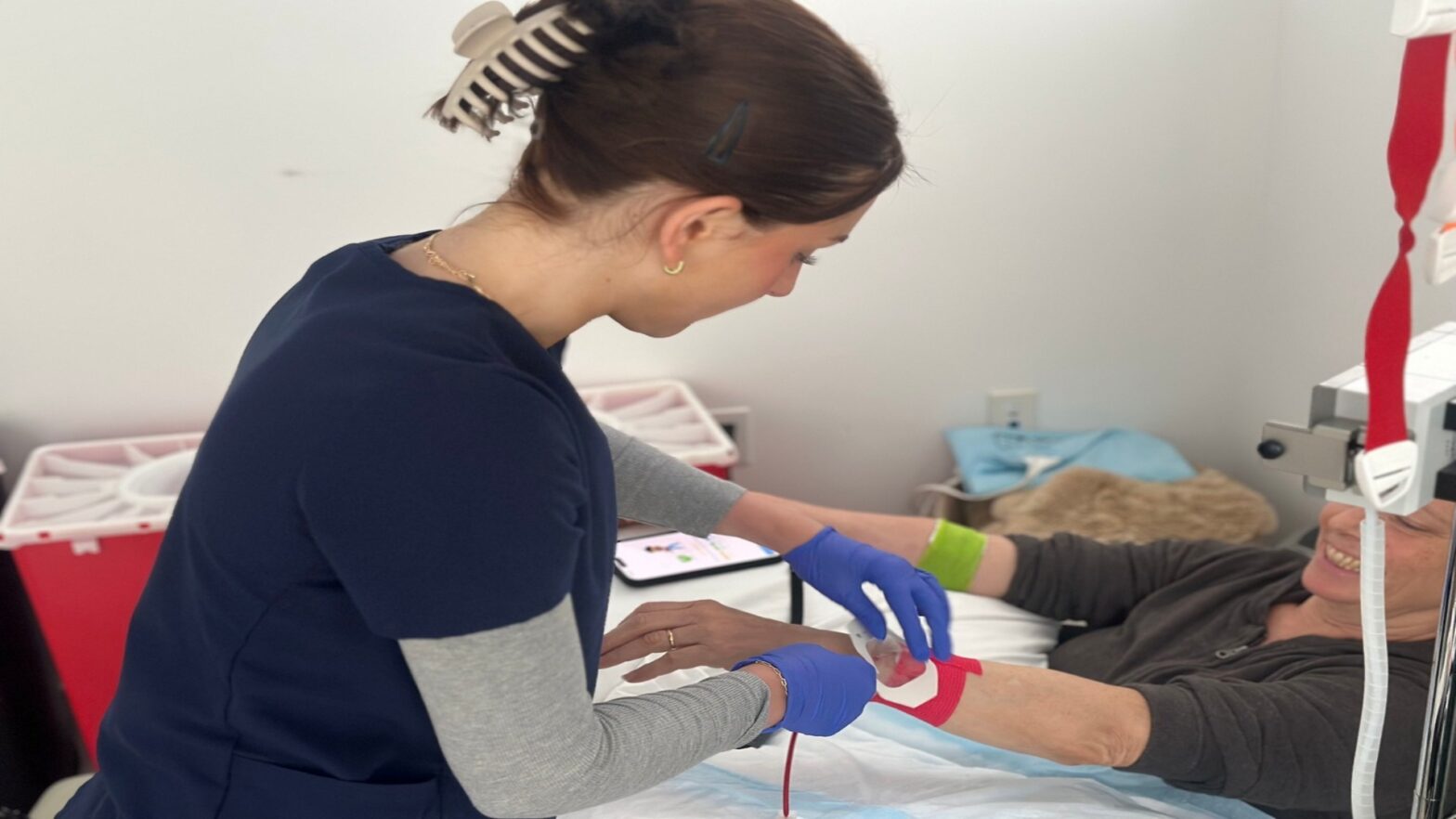
Longevity medicine is looking beyond lifespan to understand the biological processes that influence how we age. EBOO therapy is attracting interest in integrative medicine for its proposed effects on oxidative stress, inflammation, and cellular function. By exposing circulating blood to a controlled oxygen-ozone mixture, the procedure aims to stimulate biological responses that researchers are investigating for their role in cellular health.
EBOO, or extracorporeal blood oxygenation and ozonation, offers a different approach from standard IV therapy, which delivers fluids or nutrients directly into the bloodstream. Rather than replacing nutrients, EBOO focuses on how ozone interacts with blood components and may influence the body’s own regulatory systems. This has made blood ozonation for longevity an area of interest within emerging integrative longevity protocols.
At IV Elements, EBOO is offered under the direction of Rebecca LaMarca, MSN, APN-BC, CNS, a board-certified nurse practitioner whose training includes ozone therapy and integrative approaches to health. For those interested in longevity and overall wellness, IV Elements takes an individualized approach to EBOO therapy, considering each person’s health history, current medical care, and personal wellness goals when determining whether the treatment may be appropriate.
What Is EBOO Therapy?
EBOO therapy is a procedure in which blood circulates outside the body through a specialized device, is exposed to an oxygen-ozone mixture, and then returns to circulation. Unlike major autohemotherapy, which involves collecting and reinfusing a smaller volume of treated blood, EBOO allows a larger volume to pass through an external circuit during a session. Researchers have studied EBOO for its potential effects on oxidative stress and vascular function. EBOO for cellular health is becoming an area of interest in integrative medicine due to its unique blood treatment capacity.
How Does EBOO Therapy Work?
EBOO therapy works by using ozone to react with compounds in the blood, which produces secondary molecules that may influence cellular signaling and the body’s antioxidant defenses. Oxidative preconditioning is a controlled stimulus that may activate protective responses that help cells manage oxidative stress. Researchers are studying how these responses may influence redox balance, which is how the body manages reactive molecules through its antioxidant defenses.
Research into medical ozone has examined how these reactions may affect antioxidant defenses, including glutathione, which helps protect cells from oxidative damage. By investigating these responses, researchers are working to understand whether ozone exposure can influence the body’s ability to regulate oxidative stress and maintain cellular function.
What Are the Benefits of EBOO Therapy?
Potential EBOO benefits include effects on oxidative stress, inflammatory signaling, and vascular function. These benefits are relevant to cellular health because they influence how the body responds to everyday stress and maintains normal tissue function throughout the body. EBOO benefits may also have a positive effect on the body’s immune response as well as the body’s regulation of inflammation.
EBOO therapy is being explored for its potential role in supporting circulation, vascular health, and the body’s natural processes for managing metabolic waste and inflammation. Researchers are also interested in whether these effects may have implications for overall health, including energy levels, mental clarity, and inflammatory responses associated with certain conditions. However, more clinical research is needed to determine whether EBOO can meaningfully improve symptoms such as joint discomfort, fibromyalgia-related pain, or nerve pain.
Can EBOO Help With Longevity?
EBOO for longevity is attracting interest because several biological processes associated with aging, including oxidative stress, mitochondrial dysfunction, and chronic low-grade inflammation, are also involved in the body’s response to everyday cellular demands. Oxidative stress occurs when reactive molecules overwhelm the systems that normally regulate them. Over time, excessive oxidative damage can affect proteins, cell membranes, and DNA.
Ozone therapy for anti-aging has attracted attention in integrative medicine because of its potential effects on cellular processes, including mitochondrial function. Mitochondria produce ATP, which provides energy for cellular activity, and play an important role in metabolism and cell signaling. EBOO therapy is being explored for its potential relationship with cellular health, oxidative stress, and other biological processes associated with aging, although more research is needed to understand its effects on longevity and biological aging.
Does EBOO Support Cellular Health?
EBOO for cellular health focuses on the relationship between circulation, oxidative balance, and the way cells produce energy. Cells need oxygen to help generate energy; the mitochondria must convert available fuel into ATP, and antioxidant systems help keep reactive molecules under control. These processes work together, so changes in one area can affect others.
Certain studies have reported changes in antioxidant markers, including glutathione, following certain ozone protocols. This has created interest in the possibility of whether or not ozone exposure could influence cellular stress responses.
Can EBOO Help Reduce Oxidative Stress?
EBOO therapy is being studied for its potential effects on reducing oxidative stress, which occurs when reactive molecules exceed the body’s antioxidant defenses. Researchers are exploring how ozone-based therapies may influence this balance, although more human research is needed to establish these effects.
During EBOO therapy, ozone reacts with components of the blood to produce secondary molecules that act as biological signals. These molecules may influence antioxidant defenses, including glutathione, which helps protect cells from oxidative damage. Since oxidative stress and inflammation are closely connected, interest in EBOO for chronic inflammation has also grown, particularly around its potential effects on inflammatory signaling pathways.
Is EBOO Therapy Safe?
EBOO involves circulating blood through an external system, so safe delivery depends on appropriate screening, sterile equipment, trained personnel, and monitoring throughout the procedure. EBOO therapy requires proper medical screening and should only be performed by trained medical professionals using appropriate clinical equipment. As with other procedures involving blood circulation and IV access, potential complications may include changes in blood pressure, infection, or bleeding at the access site.
Understanding these risks and reviewing individual health history beforehand are important parts of determining whether EBOO therapy is appropriate. Medical history is important when considering EBOO therapy, particularly for those taking anticoagulant medication or individuals with conditions that affect bleeding or circulation. Before considering EBOO, discuss your medical history, medications, and health goals with a qualified healthcare professional to ensure that this procedure is appropriate for you.
How Often Should I Get EBOO Therapy?
There is no universally established schedule for EBOO for longevity or general preventative care. Frequency depends on the treatment protocol, individual medical circumstances, and the reason for considering the procedure. Treatment frequency should be based on an individual’s health history, health goals, and response to care over time. A qualified healthcare professional can help determine an appropriate schedule, explain the goals of treatment, and evaluate progress to ensure the plan remains aligned with individual needs.
What’s the Difference Between EBOO and Standard Ozone Therapy?
EBOO differs from other ozone therapies in how blood is processed and exposed to ozone. While several ozone therapies involve exposing blood to a controlled oxygen-ozone mixture, they differ in the amount of blood involved and the equipment used. Understanding these differences helps explain what makes EBOO distinct from other integrative treatments.
- EBOO: Blood circulates through a specialized external system, where it is exposed to an oxygen-ozone mixture before returning to the body. Depending on the equipment used, the system may also incorporate filtration.
- Major autohemotherapy: A smaller quantity of blood is collected, exposed to ozone outside of the body, and then reinfused. Unlike EBOO, the procedure typically involves a discrete sample rather than continuous circulation through an external circuit.
- Other ozone applications: Ozone may also be administered locally, depending on the procedure and its intended purpose. These methods do not involve the same continuous extracorporeal blood-processing approach as EBOO.
Some protocols combine ozone treatment with ultraviolet blood irradiation (UBI), which exposes blood to ultraviolet light. The key distinction between these therapies is the treatment method and how blood is processed. While EBOO can process a larger volume of blood than major autohemotherapy, each approach serves a different purpose. The choice of therapy depends on an individual’s health history, treatment goals, and the specific protocol being considered.
Considering EBOO Therapy for Longevity and Cellular Wellness
Longevity care increasingly considers how circulation, metabolism, inflammatory signaling, and cellular energy production interact. EBOO has attracted interest because its proposed mechanisms overlap with several of these research areas, particularly oxidative stress regulation and antioxidant responses.
At IV Elements, EBOO therapy is offered under the direction of Rebecca LaMarca, MSN, APN-BC, CNS, a board-certified nurse practitioner with training in ozone therapy treatment. For those considering EBOO therapy in NJ, IV Elements offers an individualized approach that takes each client’s health history, concerns, and long-term goals into account. Our team can walk you through the procedure, answer your questions, and discuss how EBOO may fit into your overall wellness plan.