








There’s a specific kind of silence that settles in during a long drive home after visiting an aging parent. It isn’t a peaceful silence. It’s a heavy, contemplative one, filled with the mental images of a refrigerator that’s a little too empty or a pill organiser that’s been ignored for three days.
Honestly, the hum of the laptop at midnight while you’re Googling drug interactions becomes a soundtrack you never asked for. We often talk about the logistics of aging as if they’re a series of checkboxes. We discuss power of attorney, medical directives, and home safety modifications. But we rarely talk about the emotional erosion that happens to the adult children standing in the gap or the complex safety risks involved in managing multiple medications. Have you ever wondered when exactly the roles were reversed?
The transition from being a child to becoming a caregiver is rarely a single event. It’s a slow, creeping tide. It starts with helping them open a jar and ends with managing a complex calendar of specialist appointments.
And that is where the weight sets in.
For many of us, this journey involves finding reliable resources for senior care in California or wherever our loved ones live. This search isn’t just about finding a set of hands to help. You know, it is more about finding peace of mind in a system that often feels cold and clinical, especially when we’re trying to prevent adverse drug interactions in an increasingly vulnerable population. Is it possible to navigate this without losing ourselves in the process? I guess I’m still figuring that part out myself.
The Shift in Dynamics and Safety
When you begin to manage the life of the person who once managed yours, the foundation of your relationship shifts. This role reversal brings up a cocktail of emotions. There’s guilt. You feel you’re not doing enough, and you’re frustrated because your parents might be resisting the very help they clearly need. And that’s the point. It’s messy.
But safety isn’t a zero-sum game.
For those of us familiar with harm reduction principles, we know that safety isn’t about total control, but about reducing the potential for negative outcomes. In the context of elder care, harm reduction often looks like vigilant medication management. Polypharmacy, the use of five or more medications daily, is incredibly common among seniors. Each new prescription added to the list increases the risk of side effects or dangerous interactions. You see the person who used to be your rock struggling to remember if they took their evening dose, and you realise that the safety protocols we advocate for in other areas of life are just as vital here.
Navigating the Healthcare Maze
The medical side of aging is perhaps the most daunting. Between managing multiple prescriptions and keeping track of various symptoms, it feels like a full-time job. Honestly, the clinical smell of the doctor’s office starts to stick to your clothes. For a community that values transparency and safety regarding substances, the rigor of medication management is familiar territory. However, with seniors, the stakes are different. Metabolic changes, and the way the body processes chemicals, become unpredictable. A dose that was fine ten years ago might cause significant confusion or balance issues today.
So, we have to adapt. Maybe even stumble a bit.
This is where professional support becomes vital. It isn’t a failure to admit that you can’t provide 24/7 medical oversight while also maintaining your own career and family life. Seeking out specialized help allows you to step back into the role of the son or daughter. When professionals handle logistics and medication schedules, you can return to having a conversation about their life stories rather than their blood pressure readings or pill counts. Why should our final years together be defined by a spreadsheet of side effects?
The Importance of Community and Support
Isolation is the enemy of the caregiver. When you’re deep in the trenches of elder care, it’s easy to feel like you’re the only one struggling. You see friends posting about vacations while you’re researching the best way to prevent falls in the bathroom or looking up side effects of a new heart medication. This isolation can lead to burnout and depression, which in turn makes you less effective as a caregiver. You know, sometimes you need to scream into a pillow.
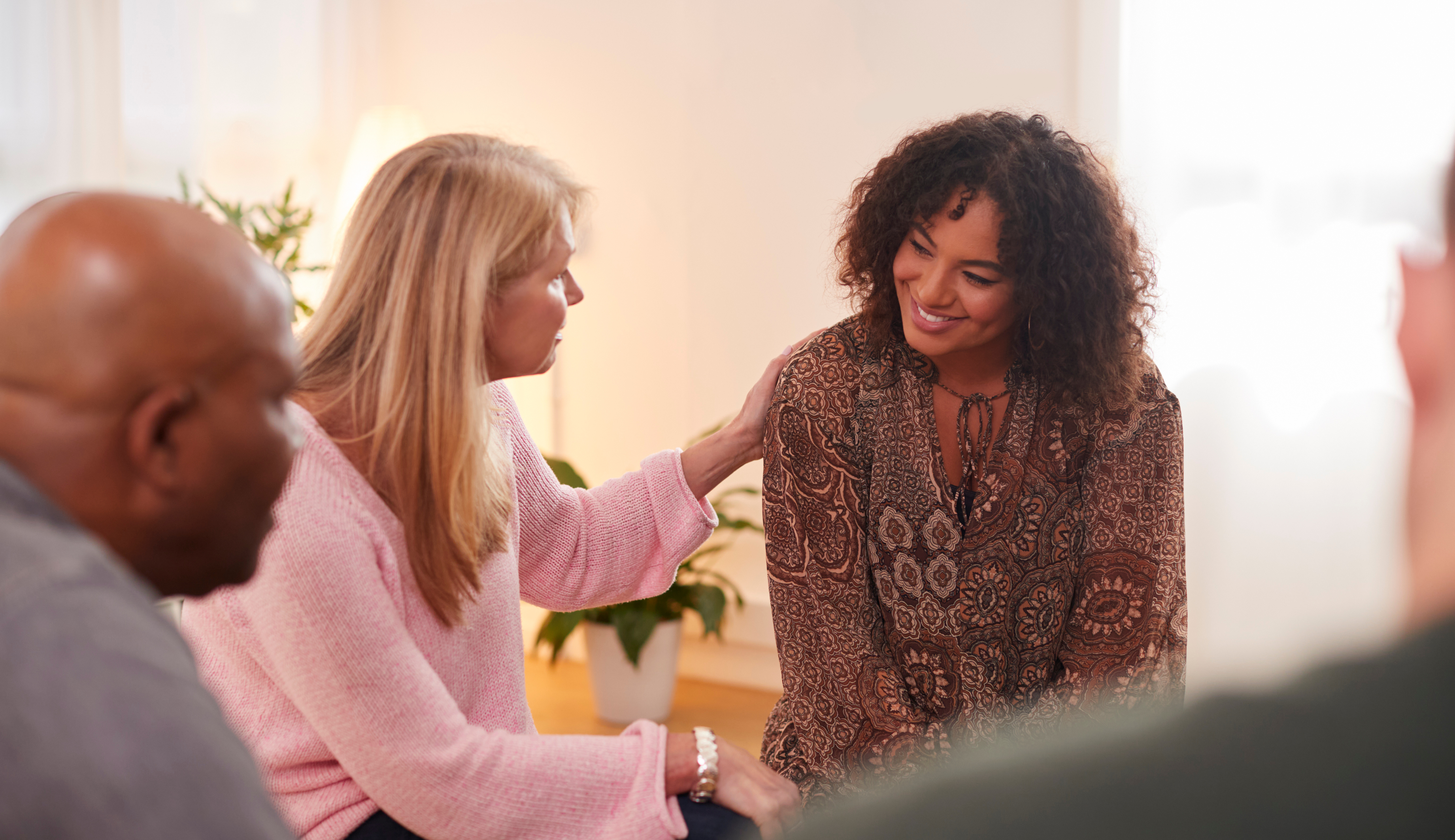
Finding a community of people who understand the specific stresses of this life stage is transformative. Whether it’s an online forum or a local support group, being able to say, “I’m tired, and I’m struggling,” without fear of judgment is a radical act of self-care. It reminds you that your feelings are a natural response to a very difficult situation. You’re not a bad person for feeling overwhelmed. You’re a human being navigating one of the most challenging transitions of the human experience.
Practical Steps for Emotional and Physical Preservation
To survive this season of life, you have to set boundaries and implement systems that prioritise safety. This is easier said than done, as we often feel that boundaries are selfish, but they’re actually the only way to ensure we have enough energy to keep going.
- Prioritise Professional Assessment: Don’t guess what your parents need. Get a professional geriatric assessment. It helps.
- Implement Medication Audits: Regularly review all supplements and prescriptions with a pharmacist or doctor. Ensure there’s a single “source of truth” for their medication list to avoid the dangers of overlapping prescriptions.
- Delegate the Small Stuff: If you can afford it, delegate tasks that don’t require your specific emotional presence. Let someone else handle the grocery shopping so you can spend your time together just talking.
- Audit Your Own Mental Health: Check in with yourself regularly. If you find that you’re no longer finding joy in things you used to love, it’s time to seek professional help for yourself.
Finding the Beauty in the Transition
Despite the heavy lifting, there are moments of profound beauty in this stage of life. There’s a certain kind of intimacy that comes from caring for a parent. You see them at their most vulnerable, and in that vulnerability, there’s an opportunity for deep healing and connection. You learn things about their past that they never thought to mention when they were the “strong” ones.
But can we find the strength to let go of the need for perfection?
Ultimately, the goal isn’t to do it all perfectly. The goal is to show up with as much love and presence as you can muster, while also giving yourself the grace to be imperfect. We’re all just walking each other home, and sometimes, that means asking for a little help along the way to ensure that the journey is as safe and dignified as possible.