







Karine Patel, online dietitian specialist
With temperatures soaring across the UK, staying hydrated is more than just about drinking water – it’s about eating the right foods too.
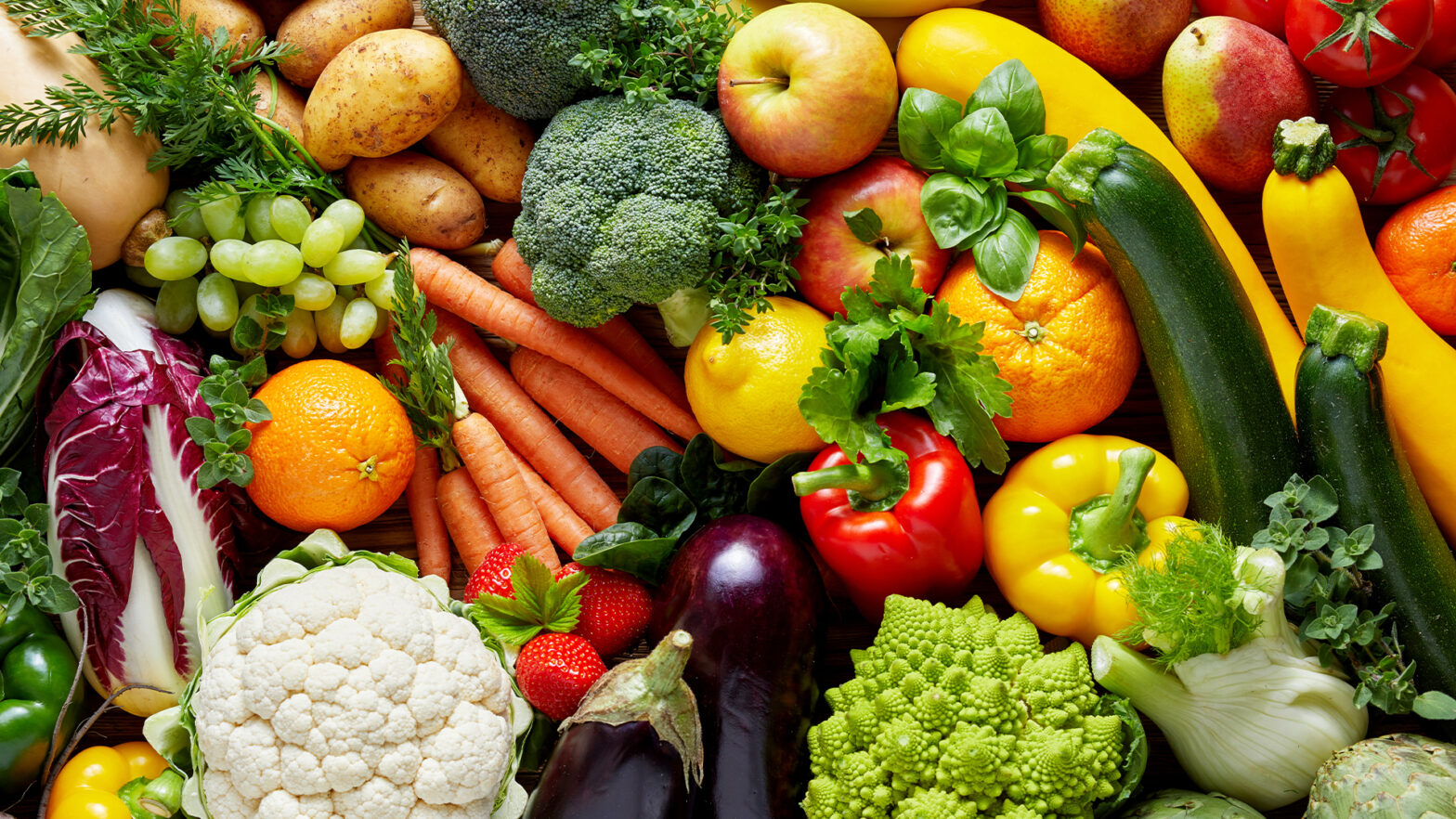
Karine Patel, UK-registered dietitian and founder of Dietitian Fit, shares her expert advice on how certain fruits and vegetables can help you beat the heat from the inside out. In her latest guide, ‘Seven Hydrating Foods You Should Be Eating During a Heatwave‘, Karine explains how nutrient-rich produce like cucumber, watermelon, strawberries, and spinach can keep fluid levels balanced, replace lost electrolytes, and even protect skin health during sun exposure.
Cucumber
Cucumbers are one of the most hydrating vegetables you can eat, with a water content of around 96%. They’re low in calories, gentle on digestion, and provide potassium to help maintain fluid balance in the body. Because they’re so versatile, you can enjoy them in salads, sliced into sandwiches, blended into chilled soups like gazpacho, or even infused in water for an extra-refreshing drink. In hot weather, their high water content and crisp texture make them a quick way to cool down from the inside out.
Watermelon
With around 92% water, watermelon is not only thirst-quenching but also naturally sweet, making it a healthier alternative to sugary snacks or desserts. It contains electrolytes such as potassium and magnesium, which can help replace minerals lost through sweat, and lycopene, an antioxidant that may support skin health during sun exposure. Eating watermelon chilled from the fridge or freezer can provide a satisfying cooling effect, while blending it into smoothies or freezing it as ice lollies offers a fun way to stay refreshed.
Tomatoes
Tomatoes are around 94% water and a great source of vitamin C and antioxidants like lycopene. Their high water content supports hydration, and their natural acidity and sweetness add flavour to meals without relying on heavy, salty dressings that can increase dehydration. They’re particularly enjoyable in fresh salads, bruschetta, or cold pasta dishes during hot days. Roaming varieties like cherry tomatoes make an easy, portable snack, perfect for keeping hydrated on the go.
Strawberries
Strawberries are about 91% water and bursting with vitamin C, antioxidants, and fibre. They add natural sweetness to the diet without excess sugar, and their hydrating quality helps balance fluid levels in the body. They’re delicious eaten fresh, added to yoghurt, tossed into salads for a refreshing twist, or blended into smoothies. Keeping them chilled enhances their cooling effect, making them a handy heatwave snack.
Spinach
Leafy greens like spinach might not seem like hydrating foods, but spinach is about 91% water and packed with magnesium, potassium, and folate. These nutrients support normal muscle and nerve function, which can be important when you’re losing electrolytes through sweat. Adding fresh spinach to salads, wraps, or green smoothies is an easy way to boost hydration while also increasing your micronutrient intake.
Oranges
Citrus fruits like oranges contain around 87% water and are rich in vitamin C and natural sugars, making them both hydrating and energising. They also provide potassium, which works alongside sodium to maintain fluid balance. Oranges are particularly useful for on-the-go hydration because they come in their own protective skin, and the act of peeling and eating them can feel refreshing in itself. They also work well juiced or segmented into salads.
Celery
Celery is about 95% water and contains small amounts of sodium, which can help replace salts lost through sweat. It’s also a source of potassium, making it a natural electrolyte combination in food form. Its crunchy texture makes it satisfying to eat raw, and it pairs well with dips like hummus or yoghurt-based dressings. In hot weather, celery sticks straight from the fridge can be a quick, cooling snack.
Practical tips for eating in a heatwave:
- Eat little and often
Large, heavy meals can make you feel sluggish and raise your body temperature. Smaller, more frequent meals or snacks, such as a cucumber and tomato salad mid-morning, or watermelon and strawberries in the afternoon, can keep energy stable while aiding hydration. - Pair water-rich foods with electrolytes
Sweating doesn’t just cause water loss, it also reduces sodium, potassium, and magnesium levels. Foods like celery, spinach, and oranges naturally provide these electrolytes. Pairing them with water-rich fruits and vegetables helps replace both fluid and salts without relying on overly salty snacks. - Keep foods chilled
Whenever possible, store fruits and vegetables in the fridge. Not only does this preserve freshness during hot spells, but chilled foods like watermelon, cucumber sticks, or cold orange segments give an instant cooling sensation when eaten. - Include hydrating smoothies
Smoothies made with water, ice, or milk alternatives and blended with spinach, strawberries, oranges, and a touch of cucumber are an easy way to combine multiple hydrating foods. They’re especially good for people who don’t enjoy drinking plain water. - Avoid excess caffeine and alcohol
Both can act as diuretics, increasing fluid loss. If you do have a coffee, tea, or alcoholic drink, balance it with a glass of water or a hydrating snack like watermelon or cucumber. - Use meals as hydration opportunities
Think beyond snacks, add cucumber and tomatoes to sandwiches, include spinach in wraps, and serve fruit salads with breakfast. By weaving water-rich foods into main meals, you boost fluid intake without even realising it. - Listen to your body
Signs of dehydration include headaches, fatigue, dizziness, and dark urine. If you notice these, increase both your water and water-rich food intake, and rest in a cool area.