








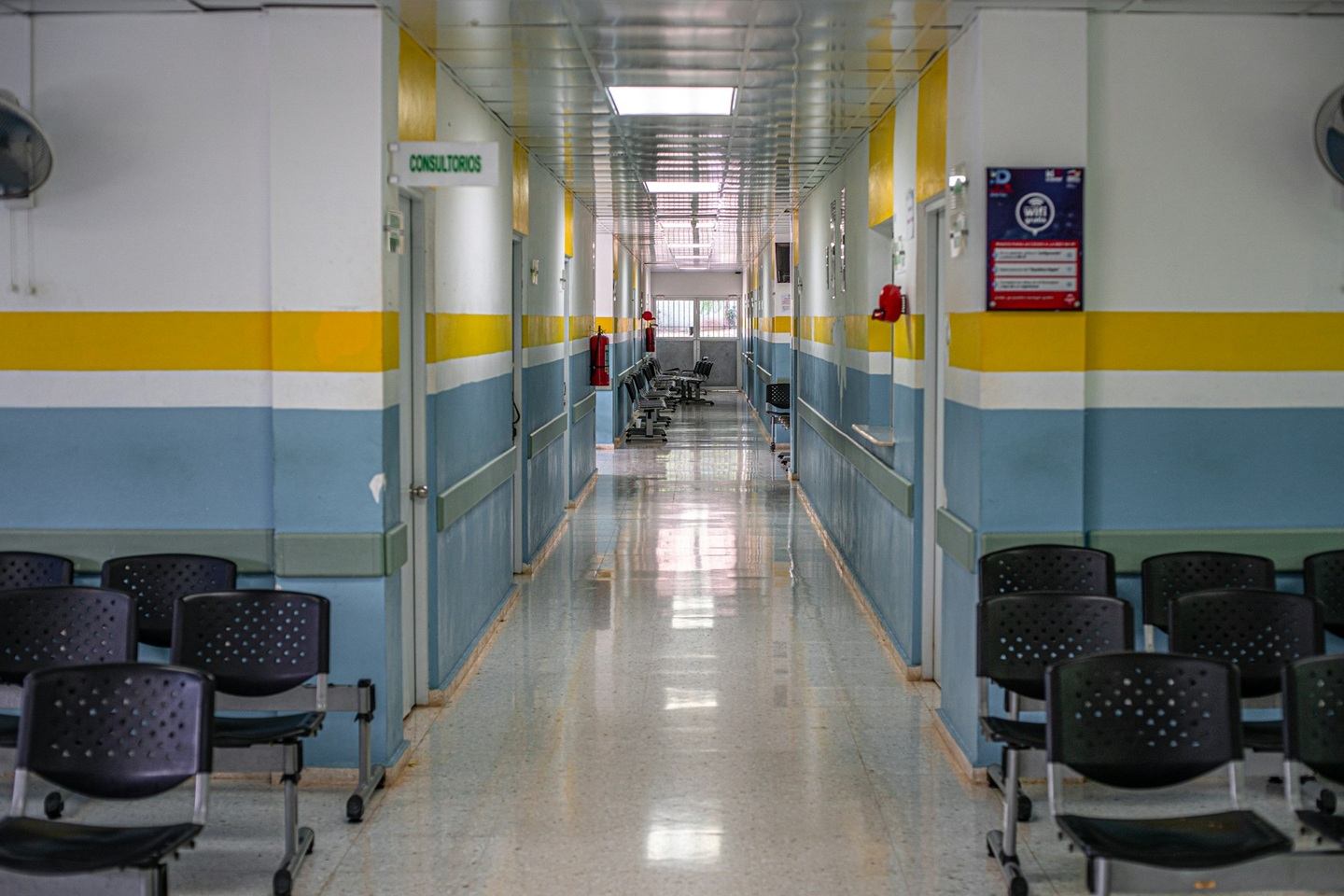
Patients often take comfort in knowing that these specialized facilities have the equipment to provide the best care. That includes taking preventive measures against power outages by installing hospital emergency power systems that activate almost immediately after grid disruptions.
How do these hospital power systems help, and what are the consequences of not using them?
Using Hospital Emergency Power to Minimize Issues
Many healthcare facilities have numerous floors, departments and specialties, each with specific requirements for hospital power systems. For example, the generators used for a waiting room will likely be less complex than those used for a critical-care ward. Decision-makers involved with selecting the appropriate options should always remain aware of the possible consequences and ways to prevent them.
Such evaluations involve understanding the factors that could prevent the hospital’s emergency power from activating as intended.
In one 2026 case affecting a Pennsylvania facility, a pipe burst in the basement, filling it with several feet of water and preventing the backup power from activating as intended. This event necessitated the discharge or evacuation of all patients and required the hospital’s short-term closure. The outage also occurred during record-high temperatures, so staff members distributed battery-powered air conditioners to patients waiting for transport.
While it is impossible to plan for every possibility that could cause backup power failures, experienced installers draw on real-world experience to advise on practical ways to prevent most unwanted outcomes. These professionals must also follow code requirements to maintain compliance.
One mandates that healthcare facilities have two levels of generators in their hospital emergency power plans. The first keeps vital patient equipment and facilities running, while the second is for systems unrelated to care.
This coverage benefits everyone, from visitors to support staff and volunteers. Otherwise, power outages cause ripple effects that can spread to other facilities. One such incident at a New Zealand hospital forced the diversion of incoming ambulances to other locations and made the elevators stop working. However, a patient said a healthcare professional reassured her that critical equipment, such as dialysis machines, was still functioning.
Improving Resilience With Hospital Power Systems
The technologies that provide hospital emergency power help facilities keep running smoothly, even during circumstances beyond employees’ control. Hurricane season is a good example because it is a known period during which these storms typically occur more frequently than the rest of the year.
Healthcare leaders cannot stop severe weather, but they can do the next best thing by preparing for it. Getting ready can mean making strategic investments in hospital power systems or determining which actions to take based on a storm’s expected severity.
The CEO of a South Carolina hospital explains that the facility’s generators can provide backup power for two weeks if necessary. It also has transfer agreements with hospitals across the state, allowing it to send patients elsewhere when required. The executive clarifies that planning begins well in advance and that the specific decisions made depend on details about the storm’s intensity and the associated surge.
Ukrainian hospital workers have also recently faced blackout risks due to Russian attacks. Healthcare professionals working in war zones know that the conditions there may be even more variable and urgent than in noncombat areas. Generators and other backup power supplies remain useful and necessary in both settings.
In one case, an Angolan businessman recognized the ongoing difficulties affecting Ukrainian national infrastructure and stepped in to help. He provided dozens of generators to medical facilities and other essential services. This support ensured the continued functionality of operating rooms, laboratories and emergency shelters.
Hospital emergency power reinforces patients by providing backup resources when the primary infrastructure fails. While leaders cannot predict the future, they can and should prepare for outages.
Enabling Medical Tech With Hospital Emergency Power
Many people interested in medical technologies eagerly discuss how developments have facilitated advancements in diagnostics, treatment and symptom management. Hospitals simultaneously benefit from them all as staff use equipment ranging from imaging machines to patient monitoring tools.
However, electricity outages limit their advantages and pose safety risks. Investments in appropriate hospital emergency power supplies maintain safe operations in unexpected circumstances.
Because infrastructural needs vary depending on the facility type and care provided, decision-makers should meet with backup power experts and learn about the recommended possibilities before agreeing to the installations. That process supports a strong return on investment that boosts patient confidence.
Credit for Image: Photo by Eriel Ezequiel Reyes Saviñon on Unsplash