







Beyond the Gym: How Nutrition Shapes Performance and Recovery
When it comes to achieving fitness goals, many people focus heavily on their training, the number of reps, the intensity of cardio sessions, or the perfect workout split. While these elements are undeniably essential, they’re only one part of the equation. Actual progress happens not just in the gym, but in the kitchen. Nutrition is the foundation that fuels performance, supports recovery, and ensures your hard work translates into real, lasting results.
Fueling Your Performance
Every movement you make, whether it’s lifting weights, running sprints, or holding a yoga pose, requires energy. That energy comes from the calories and nutrients in your diet. The question most fitness enthusiasts eventually ask is, “how many calories should I eat daily?” The answer depends on factors like your age, gender, body composition, and activity level. In simple terms, if you consume more calories than you burn, you’ll gain weight; if you consume fewer, you’ll lose weight. But when it comes to performance, quality matters just as much as quantity.
Carbohydrates are your body’s preferred source of fuel for high-intensity exercise. They replenish glycogen stores in your muscles, allowing you to train harder and for longer. Protein, on the other hand, provides the building blocks for muscle repair and growth, making it essential for anyone looking to improve strength or endurance. Healthy fats support hormone production, brain function, and energy balance. Together, these macronutrients form the trio that powers your workouts and keeps your body functioning optimally.
A balanced diet tailored to your individual goals can make a dramatic difference in your training outcomes. Tracking your intake for a few weeks using a nutrition app can help you identify whether you’re fueling adequately or falling short, a common mistake that can limit both performance and progress.
Recovery: Where the Magic Happens
Many athletes and gym-goers underestimate the importance of recovery. Muscles don’t grow while you’re training; they grow during rest, provided your body has the right nutrients to repair tissue and replenish energy stores.
Post-workout nutrition is critical. Consuming a mix of protein and carbohydrates within an hour after training can accelerate muscle recovery and reduce soreness. A simple example might be a smoothie made with banana, spinach, protein powder, and almond milk, providing a blend of fast-digesting carbs, protein, and micronutrients.
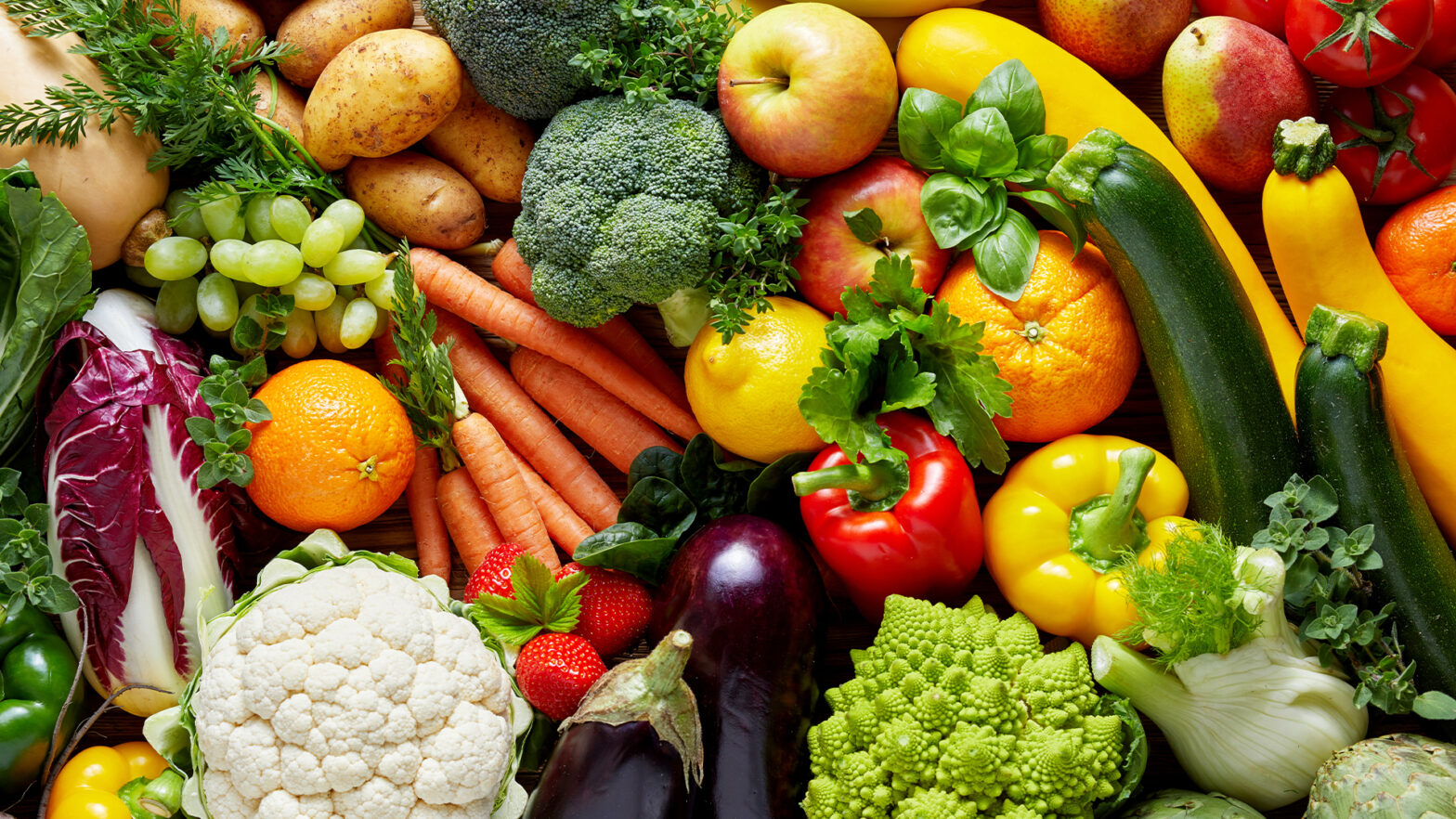
Micronutrients, vitamins and minerals also play a vital role in recovery. Magnesium aids muscle relaxation and prevents cramps; iron supports oxygen transport; and antioxidants like vitamin C and E combat exercise-induced oxidative stress. Including a wide variety of fruits, vegetables, nuts, and seeds ensures you’re getting the full spectrum of nutrients your body needs to recover effectively.
Hydration: The Forgotten Factor
While food often gets the spotlight, hydration is just as important for performance and recovery. Water supports nearly every bodily function, from regulating temperature and transporting nutrients to lubricating joints and maintaining energy levels. Even mild dehydration can impair endurance, strength, and focus.
As a general guideline, aim to drink at least 2 to 3 litres of water daily, more if you’re training intensely or in a hot environment. Checking the colour of your urine is a simple way to monitor hydration; pale yellow means you’re well-hydrated; darker shades indicate you need more fluids. Adding electrolytes, especially after intense workouts, can help replace minerals lost through sweat and support better muscle function.
The Rise of Plant-Based Performance
In recent years, plant-based diets have gained popularity among athletes and fitness enthusiasts, and for good reason. A well-planned plant-based diet can provide all the essential nutrients needed for optimal performance and recovery.
Plants are rich in antioxidants, fibre, and anti-inflammatory compounds that support faster recovery and overall health. Foods like lentils, chickpeas, quinoa, tofu, nuts, and seeds provide excellent sources of protein, while whole grains, fruits, and vegetables deliver complex carbohydrates for sustained energy.
However, plant-based athletes should pay attention to nutrients that can be harder to obtain from plants alone, such as vitamin B12, iron, and omega-3 fatty acids. These can be managed through fortified foods or supplements. With careful planning, a plant-based diet can be just as effective, and in some cases, even more beneficial, than traditional eating patterns for enhancing both performance and recovery.
Final Thoughts
Success in fitness doesn’t come from training alone. It’s the synergy between exercise, nutrition, hydration, and recovery that drives results. By paying attention to what you eat, how much you eat, and how well you hydrate, you set the stage for improved performance, faster recovery, and long-term health.
So next time you plan your week of workouts, give equal attention to your meals and water bottle. Ask yourself not just how many sets you’ll do, but also “how many calories should I eat daily?” and “am I giving my body the fuel it needs to thrive?” Beyond the gym, it’s your daily nutrition habits that truly shape your performance and recovery.