







Snoring treatments in 2026 are more varied and accessible than ever, combining traditional medical approaches with new technology and at-home solutions.
The global anti-snoring treatment market is now valued at around $2.25 billion and is growing at over 10% annually, reflecting rising demand and awareness.
Treatments today range from simple lifestyle changes to advanced devices and surgical interventions, with a clear trend toward non-invasive and user-friendly options.
Why are mandibular advancement devices so widely used?
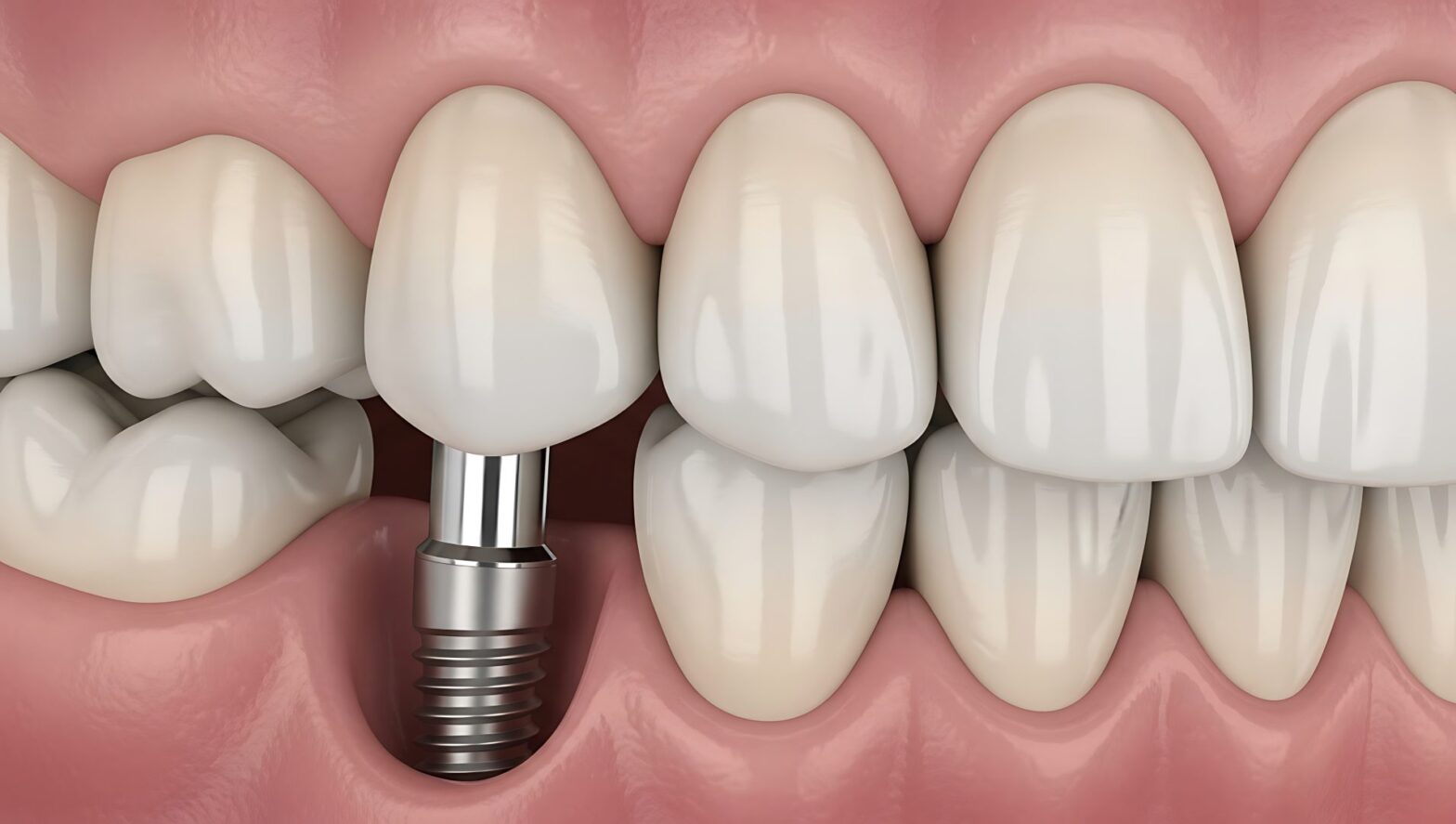
Mandibular advancement devices (MADs) have become one of the most popular treatments for snoring. These dental appliances work by gently moving the lower jaw forward to keep the airway open during sleep. In 2025, they accounted for around 39% of the anti-snoring treatment market, making them the leading device category and may be available from dentists that specialise in snoring or even orthodontic practices in London.
They are especially effective for mild to moderate snoring and are widely recommended by both dentists and sleep specialists.
Research shows that they can significantly reduce snoring and improve sleep quality, often with better long-term adherence than other treatments. Their comfort and ease of use make them a preferred non-surgical options for patients, otherwise if you were to undergo surgery, this is known as mandibular construction.
Are CPAP machines still the gold standard for severe snoring?
For individuals with more serious conditions such as sleep apnoea, CPAP (Continuous Positive Airway Pressure) machines remain one of the most effective sleep apnoea treatments. These devices deliver a steady stream of air through a mask to keep the airway open during sleep.
However, while CPAP is highly effective, it is not always well tolerated. Studies show that between 20% and 83% of patients struggle to use CPAP consistently due to discomfort. This has led to increased interest in alternative treatments like dental devices and newer technologies that offer similar benefits with greater comfort.
What role do smart devices and wearable technology play?
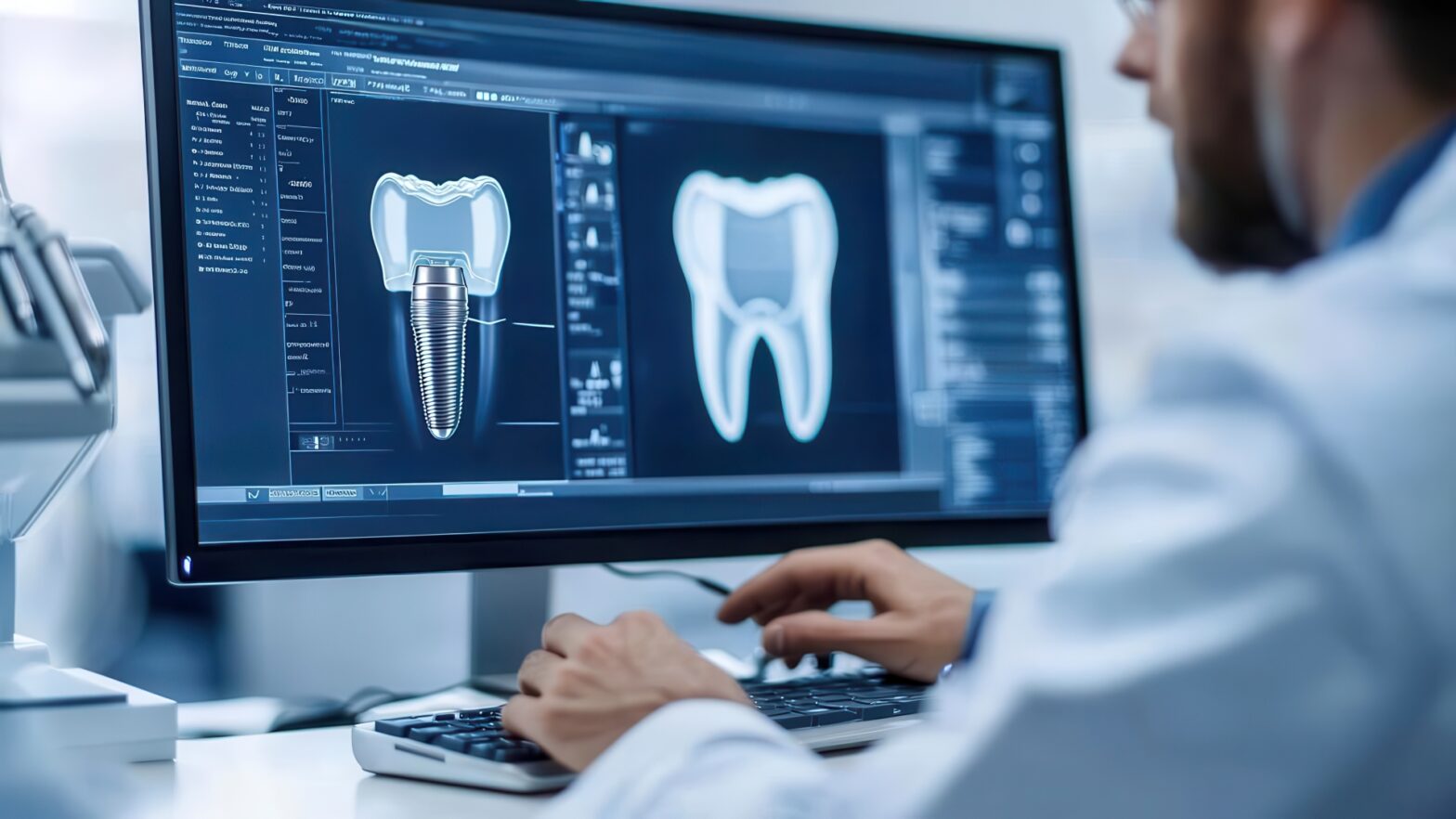
One of the biggest trends in 2026 is the rise of smart snoring solutions. These include wearable positional trainers, app-connected oral devices, and sleep-monitoring technology that tracks snoring patterns in real time.
Smart wearables and connected devices are expected to grow at nearly 14% annually, making them the fastest-growing segment in the market. These tools can gently prompt users to change sleeping position or adjust treatment settings automatically, offering a more personalised approach to snoring management.
Do lifestyle changes remain one of the most effective treatments?
Despite advances in technology, lifestyle changes are still among the most effective ways to reduce snoring. Weight management is particularly important, as excess weight around the neck can restrict airflow. In fact, being overweight is one of the most common causes of snoring, and weight loss is often the first recommendation from healthcare professionals.
Other key changes include reducing alcohol consumption, avoiding smoking, and improving sleep posture. These simple adjustments can significantly reduce snoring without the need for medical devices or procedures.
Are nasal strips and simple devices still popular in 2026?
Over-the-counter solutions such as nasal strips, nasal dilators, and anti-snoring mouthpieces continue to be widely used, particularly for mild snoring. These products are easily accessible and relatively inexpensive, making them a common first step for many people.
While they may not address deeper airway issues, they can improve airflow through the nose and provide noticeable relief in certain cases. Their convenience and affordability ensure they remain a key part of the snoring treatment landscape.
When are surgical treatments considered?
Surgical options are typically reserved for cases where other treatments have failed or when there is a clear structural issue causing the snoring. Procedures such as uvulopalatopharyngoplasty (UPPP) or newer techniques like hypoglossal nerve stimulation aim to widen or stabilise the airway.
Although surgery can be effective, it is generally seen as a last resort due to cost, recovery time, and potential risks. However, advances in minimally invasive procedures are making surgical options more appealing for certain patients.
What is the overall trend in snoring treatments today?
The biggest trend in 2026 is a shift toward personalised, non-invasive, and technology-driven treatments. Patients are increasingly choosing solutions that fit easily into their lifestyle, such as dental devices, wearables, and home-based therapies.
At the same time, traditional approaches like lifestyle changes and medical devices remain essential. With so many options now available, most people can find an effective treatment tailored to their specific needs, making snoring more manageable than ever before.