







The pharmaceutical and biotech industries are advancing at lightning speed. Every year brings groundbreaking discoveries, new therapies, and innovative drugs, but explaining these complex innovations to the right audience can be a real challenge. Doctors, investors, and patients need to understand not just what a drug does, but how it works and why it matters.
This is where the mechanism of action (MoA) animations become invaluable. By turning abstract scientific processes into engaging visual stories, pharma companies can communicate their innovations effectively, build trust, and make complex science accessible.
In this article, we’ll explore why investing in pharma 3D animation is essential for modern pharmaceutical campaigns and effective science communication.
What are MoA Animations?
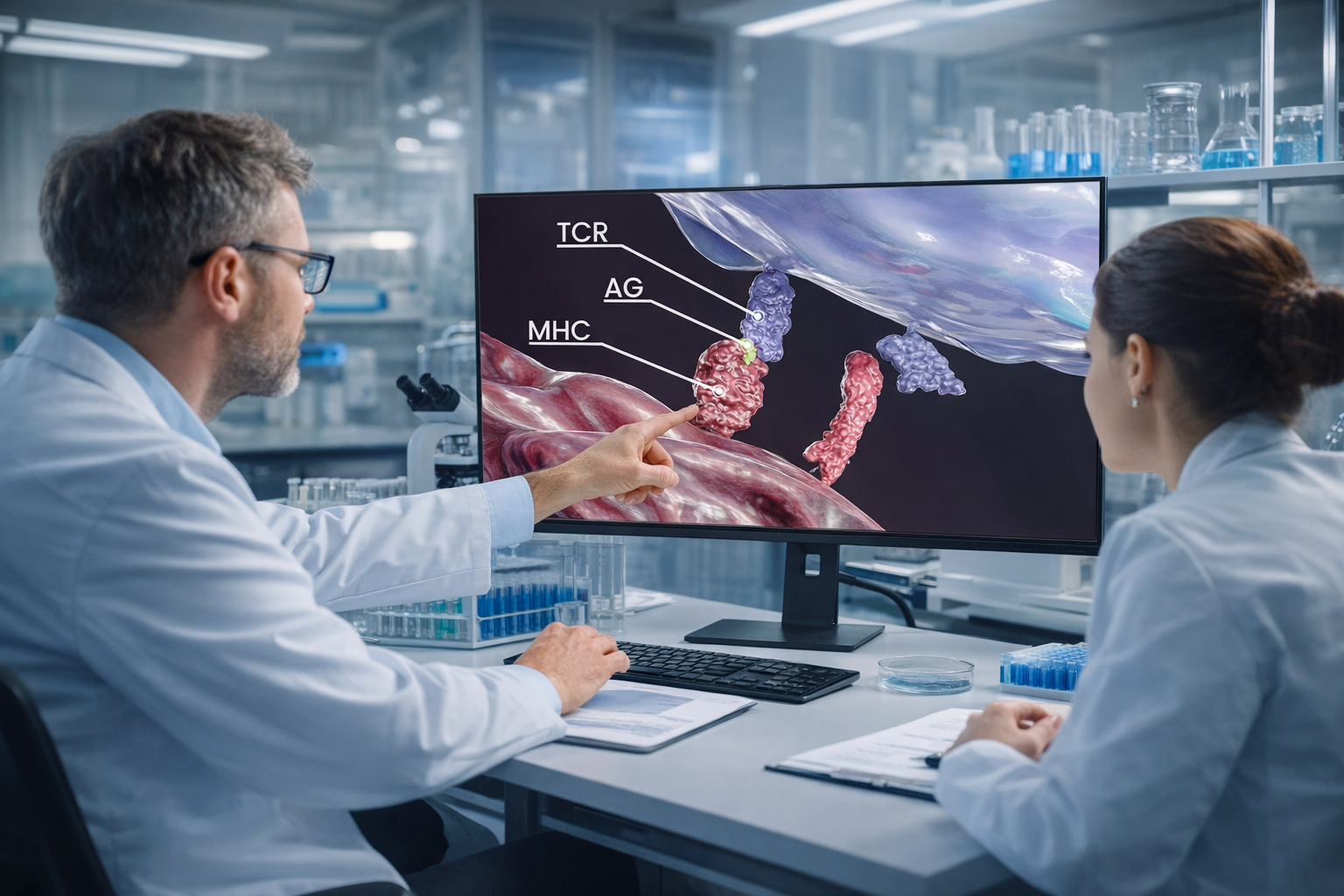
Simply put, MoA animations are 3D visualisations that illustrate how a drug or therapy interacts with the body at a molecular or cellular level. They allow viewers to see the science in action, making complex mechanisms easier to understand and remember.
MoA animations can demonstrate a wide range of processes, including:
- Drug-target interactions: How a therapy binds to specific receptors or enzymes.
- Cellular pathways: How a drug triggers or blocks signaling pathways inside cells.
- Immune responses: How therapies like monoclonal antibodies or vaccines activate immune cells.
- Gene and cell therapies: How genetic material or modified cells are delivered and function in the body.
- Biotech innovations: How cutting-edge therapies (CRISPR gene editing, CAR-T cells, or other advanced biotechnologies) interact with the body, target specific cells, and achieve their therapeutic effects.
By making these processes visible, MoA animations help healthcare professionals, investors, and patients grasp what happens inside the body in an engaging, accurate, and scientifically reliable way.
How to Use MoA Animations in Pharma Marketing
If you want to make marketing and education more engaging, pharma 3D animations are powerful tools for communicating complex scientific concepts.
Events and Conferences
Instead of just showing static slides at conferences, workshops, or product launches, pharma companies can use 3D animations to actually show how their drugs work. Animations grab attention, make presentations more engaging, and help healthcare professionals remember the key points long after the event is over.
Communicating with Stakeholders
If you want to win over investors and regulators, MoA animations can be a game-changer. Instead of long, dense reports, stakeholders can see the science in action, making complex mechanisms easy to understand. Showing exactly how a therapy works builds confidence in its innovation, demonstrates its potential, and can help secure funding or approvals more effectively
Websites and Patient Portals
Adding animations to websites, patient portals, or educational platforms allows patients and caregivers to quickly understand how therapies work. Visual explanations increase comprehension, improve trust in the medication, and encourage patient engagement.
Supporting Sales Teams
Field teams can use MoA animations and biotech visualisations during meetings with healthcare providers to explain mechanisms quickly and clearly. Animated visuals make scientific discussions more accessible and help HCPs remember key details about a drug.
Enhancing Digital Marketing Campaigns
Animations can be shared on social media, email newsletters, or digital ads to highlight a drug’s mechanism in an engaging way. Short, visually compelling videos can boost awareness, support product positioning, and differentiate a therapy in a competitive market.
Improving HCP Education
MoA animations aren’t just marketing tools; they’re also powerful for education. They help healthcare professionals (HCPs) quickly understand how therapies work, explain clearly why a particular drug is prescribed, and show patients what to expect during treatment.
By integrating MoA animations across these channels, pharmaceutical companies can communicate more effectively, educate their audiences, and strengthen engagement with both professionals and patients.
Future Trends of Visual Storytelling in Pharma
The way we communicate science is changing fast, and visual storytelling is at the forefront of that shift. In the coming years, pharmaceutical companies are expected to increasingly rely on 3D animations, interactive content, and immersive experiences to explain therapies and innovations.
Interactive and personalised content will allow healthcare professionals and patients to explore mechanisms at their own pace, focusing on areas most relevant to them. Augmented reality (AR) and virtual reality (VR) will bring MoA animations to life, creating fully immersive experiences that make complex biological processes tangible and memorable.
We’ll also see more short-form, shareable videos optimised for digital marketing, social media, and patient education platforms. These formats make it easier to reach broader audiences, from investors to patients, while maintaining scientific accuracy.
Ultimately, the future of visual storytelling in pharma is about making science accessible, engaging, and impactful, helping audiences understand new treatments faster, remember key information longer, and make informed decisions with confidence.
Maximising Pharma Campaigns with MoA Animations
The pharmaceutical and biotech industries are evolving faster than ever, and communicating complex science clearly has never been more important. MoA animations and 3D visualisations turn abstract mechanisms into easy-to-understand stories that resonate with doctors, investors, and patients alike.
In addition, MoA animations are incredibly versatile. They can be used across conferences, stakeholder meetings, websites, patient portals, sales presentations, and digital campaigns. By repurposing such animations in multiple channels, pharma companies can maximise their impact, ensuring that complex science reaches the right audience and strengthens engagement.