


The Role of Nurses in Rebuilding Health Systems After Disaster
In the immediate moments following a natural disaster, there are several needs of the utmost importance that need to be met. Physical and financial safety often assume the lion’s share of most people’s focus, and while these factors are certainly important, they’re also just a fraction of the hardship that people experience.
Two things happen in the moments immediately following a natural disaster. First, people experience an extremely high need for good health care. They also lose the infrastructure that supports it.
The same forces that caused the disaster in the first place often make it very difficult for people to receive the care that they need in response to it.
Nursing leaders can play an important role in addressing both the immediate aftermath of an emergency situation and providing long-term support. In this article, we take a look at the role nursing leaders can play in helping communities recover from a natural disaster.
Nursing Leadership Role Defined
It’s important to understand we aren’t really examining bedside nursing. While patient care is an extremely important component of disaster relief, it’s not necessarily relevant to the rebuilding of the actual infrastructure itself.
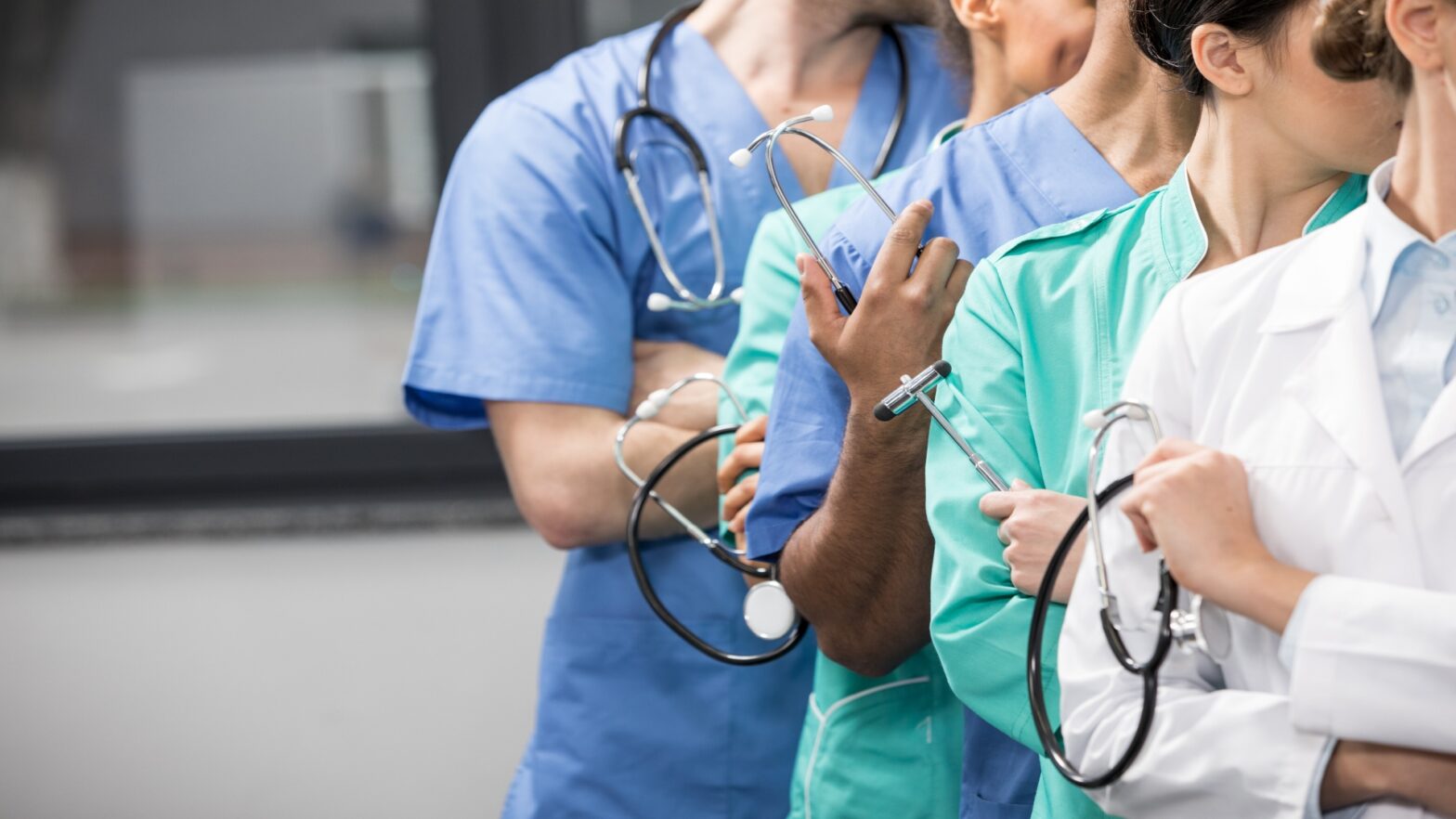
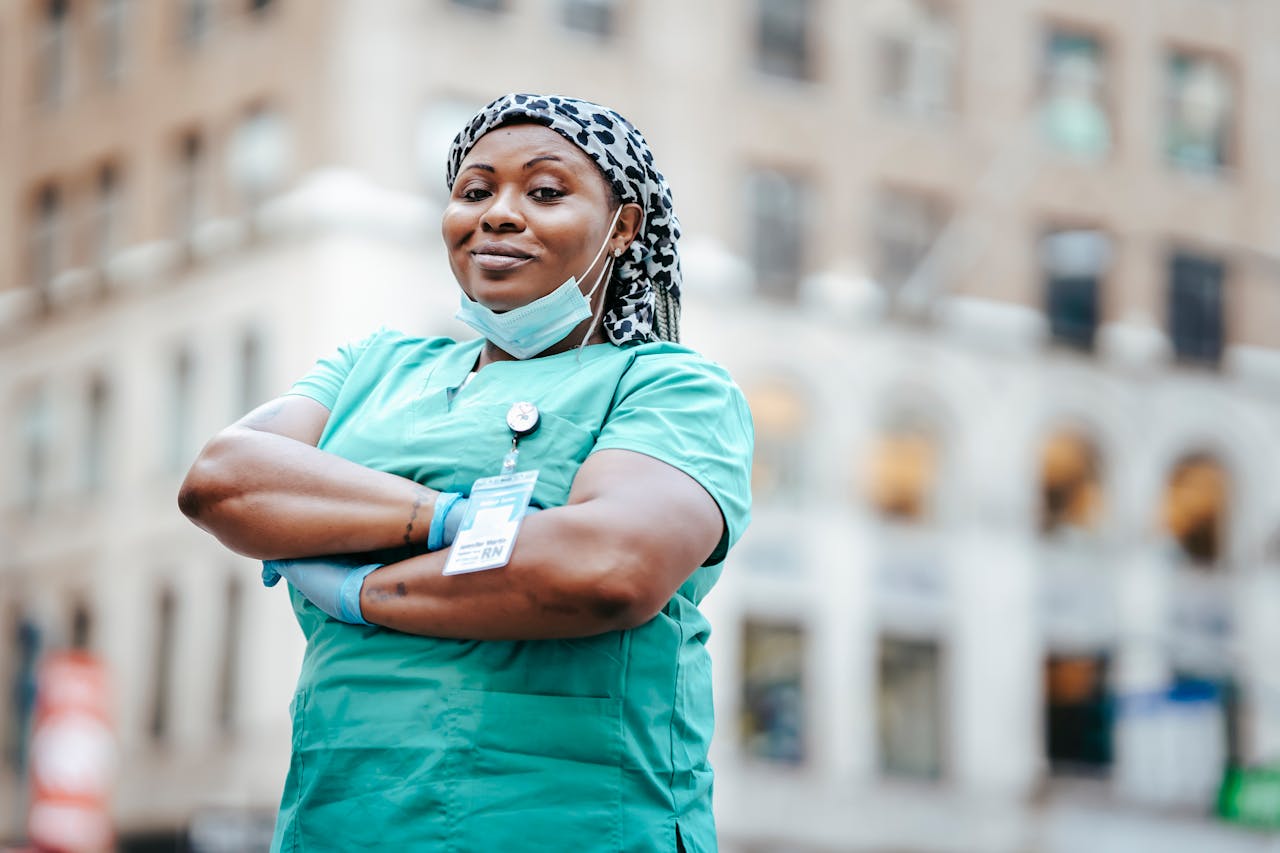
Regular RNs will work with patients directly to address the aftermath of a natural disaster, while healthcare leaders will develop systems, processes, and response protocols to produce a long-term success strategy.
Coordinating Care
One of the most urgent and immediately impactful things a nursing leader can do during or right after a natural disaster is coordinate the processes that connect people with immediate care. During a natural disaster, the hospitals and clinics that people would usually use might be inaccessible or simply overpopulated.
In these situations, nurses need to practice dynamic leadership skills that help them respond to exactly what’s taking place.
Often there is a triage component that involves prioritizing the highest-need, highest-impact tasks. They will do this work in coordination with doctors, administrators, and other disaster relief professionals to ensure that the most urgent situations are taken care of as swiftly as possible.
How Do Natural Disasters Impact Human Life?
That’s the question that will be on the minds of people behind the strategic response to a natural disaster from a healthcare perspective. How do natural disasters impact human life?
The financial and physical risks are of importance, but equally pressing are the emotional risks. When you are exposed to significant levels of stress and anxiety, it produces a major reaction in your amygdala—that’s the fear center of your brain.
When your amygdala is overstimulated, you’re in a constant and unpredictable fight-or-flight response cycle. This is the experience that is often described as post-traumatic stress disorder. Essentially, you’re constantly experiencing neurological misfires.
Nursing professionals who want to develop a well-rounded response to disaster relief will not focus only on the physical risks created by the disaster, but also on a long-term psychological response.
This could involve educating the community on psychological risk factors and even helping hospitals develop free or accessible resources to people in the immediate aftermath of a disaster.
How Do You Influence the Infrastructural Response to a Natural Disaster as a Nurse?
Keep in mind that you probably won’t be participating in the strategic component of disaster response as an RN. It’s generally MSN recipients who develop systems and infrastructural responses to natural disasters.
If you’re interested, you can go to graduate school for an MENP degree. MENP programs focus on clinical leadership in the healthcare setting. Once you’ve focused your educational route on leadership rather than patient care, you can apply for either administrative roles or simply look for promotions within your existing nurse role.
Why Nursing Is a Popular and Impactful Career
Are you interested in impacting lives at the highest possible level? If so, nursing is going to be a worthwhile career path to consider.
The work that you do as a nurse will, naturally enough, extend beyond the relatively narrow scope of focus that is disaster relief.
You’ll work alongside patients or in administrative leadership capacities to ensure that people have access to the care that they need, no matter what environmental factors are taking place.
Nursing is one of the most popular secondary careers for several reasons:
- Personally fulfilling: When people pivot out of their original career, it’s usually so that they can work in an occupation that they find personally fulfilling. Nursing is important work that every community needs, even when they aren’t in the middle of a disaster.
- Financially compelling: Nurses might not have Mercedes money, but they do earn a solidly middle-class living, and they can even hit six-figure salaries with graduate degrees.
- Quick pivots: It’s also worth noting that you can pivot into nursing relatively quickly if you already have an undergraduate degree. You can sign up for accelerated or certification-only programs, or you can even go the direct-to-hire route and pick up a graduate credential in less time than it takes to get an undergraduate degree.
Even when there isn’t a natural disaster, nursing jobs are never easy. They are always worthwhile.
If you’re interested in a career path that will impact many thousands of lives, there’s no better job out there.