






Children grow by moving. Rolling, crawling, grabbing, and sitting up all help the brain and body work together. Most early movements are automatic, but as your child matures, those reflexes usually fade and give way to more controlled actions. When that progression does not happen smoothly, everyday skills can feel harder than they should. Reflex integration therapy focuses on helping children move from automatic reflexes to intentional control.
What Is Reflex Integration?
Reflex integration refers to how early, automatic movements transition into more organized patterns that support growth. These automatic responses are called primitive reflexes, and they are present at birth. They are linked to survival, like sucking for feeding or turning the head when startled. In most cases, the nervous system suppresses these reflexes as new motor patterns form.
Some children hold onto those early reflexes longer. These are known as retained reflexes, and they can affect coordination and behavior. Reflex integration therapy helps guide the process forward.
Signs of Reflex Retention
Reflexes that linger past infancy can appear in ways that are easy to miss at first but grow clearer over time. Some of the most common signs include:
- Fine motor struggles: Writing, buttoning clothes, or tying shoes may be harder because fine motor skills are not as controlled as expected.
- Balance and coordination issues: The central nervous system depends on smooth communication between reflexes and learned skills. When that process stalls, children may seem clumsy, trip often, or have trouble sitting upright.
- Unusual muscle tone: Some children appear stiff while others feel floppy. Both patterns can interfere with everyday movement.
- Heightened emotional responses: A retained Moro reflex can make a child react strongly to sudden sounds or changes, leading to fear or irritability.
- Handwriting and classroom difficulties: Shaky hand-eye coordination or weak posture may show up when learning to write or keep pace in class.
- Sensory sensitivities: A disrupted sensory processing system can make ordinary noise, touch, or light feel overwhelming.
- Motor development delays: Running, climbing, and other activities may lag behind peers when reflexes interfere with motor development.
- Self-care challenges: Everyday routines like dressing, eating, or sitting through a meal can feel more demanding than they should.
Once parents see these patterns, the question usually becomes what kind of support will make daily life easier.
What Therapy Looks Like
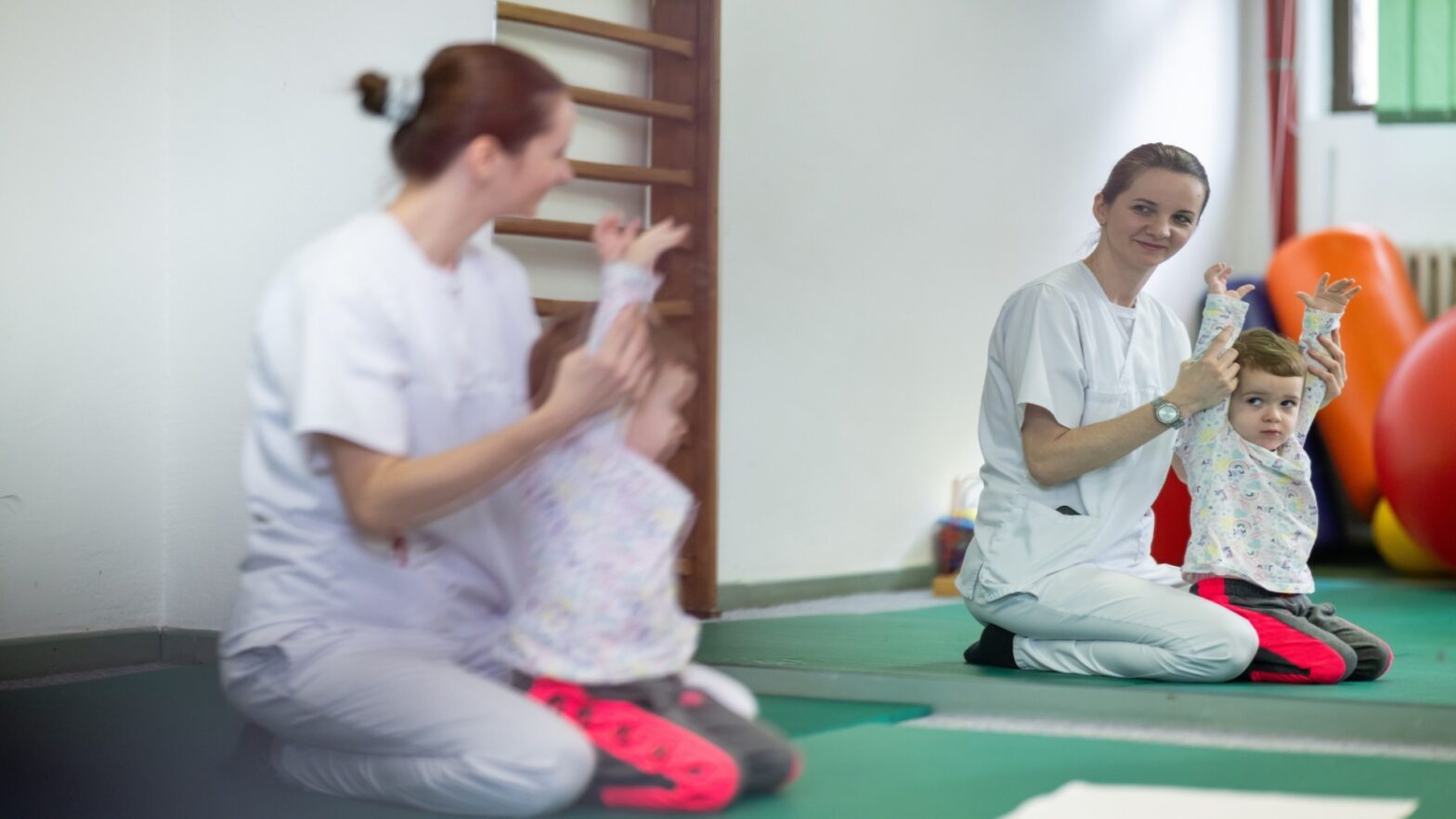
Reflex integration therapy often looks like play, but the movements are chosen with a purpose. Each exercise helps the body replace old reflex patterns with more controlled responses.
An occupational therapist may guide children through gross motor exercises such as crawling or stretching. These movements give the body a chance to revisit early stages of growth that were skipped or incomplete.
Therapists also bring in sensory activities, things that engage touch, sound, or motion, to make processing daily experiences easier. In some programs, they can add work on strength and coordination to support overall progress.
Every child’s program is individualized. Some focus on building core strength, while others spend more time on shoulder stability or eye tracking.
Building Broader Skills
Therapy also builds new skills that children carry into daily life.
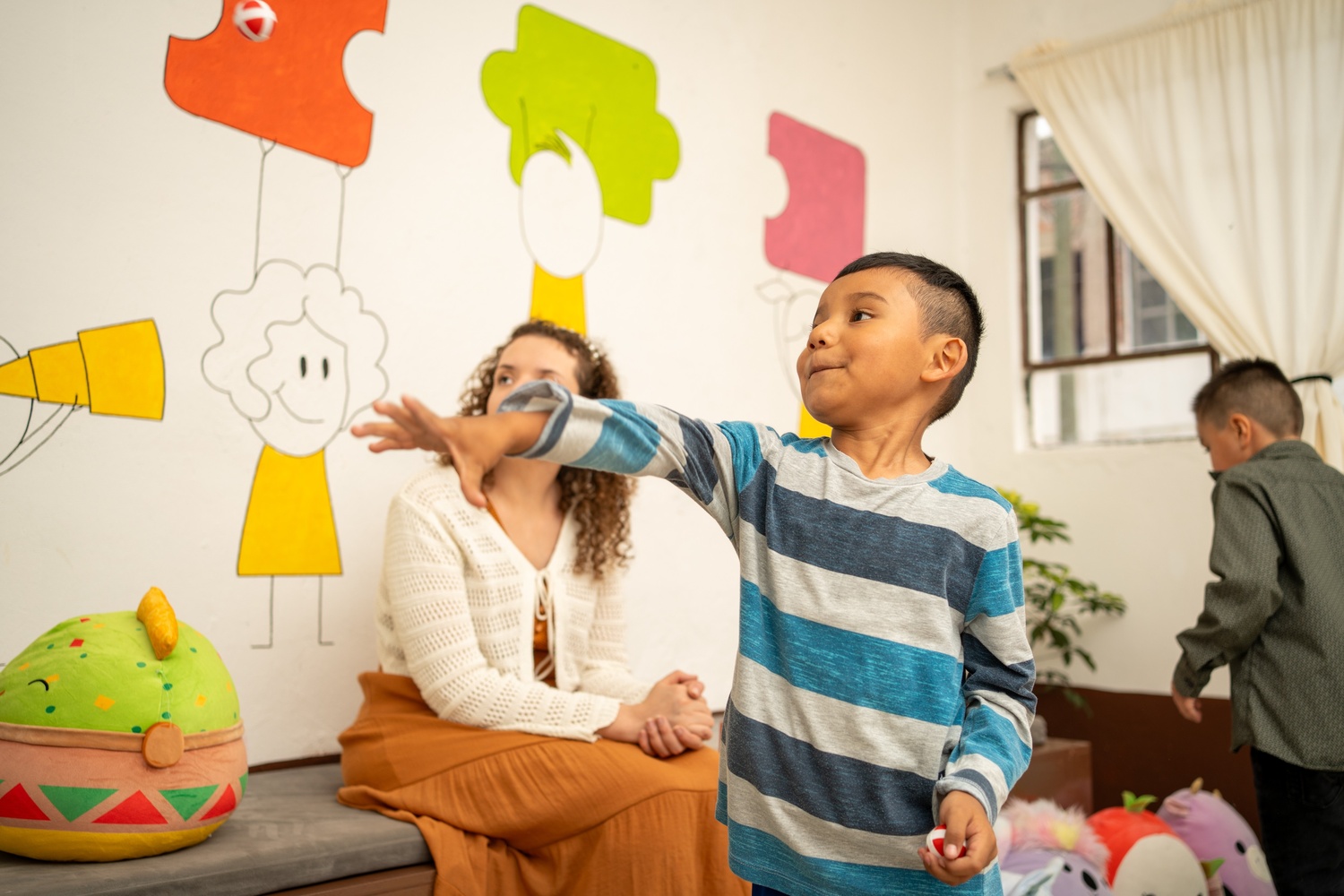
- Bilateral integration grows when both sides of the body work together. Cutting paper with scissors, catching a ball, or climbing on playground equipment all depend on it.
- Motor imitation develops when children copy simple actions. Following along in a clapping game or mirroring an adult’s movement in a dance activity are small ways this skill takes shape.
- Postural control improves through core work and balance play. Being able to sit upright at a desk or stay steady during circle time reduces fatigue and distraction.
As these abilities grow, children can play for longer periods and manage classroom routines with less effort. They may also find it easier to join group activities and interact with peers more comfortably.
What You Can Do at Home
Parents can keep support at home clear and manageable. Routine tweaks during the day provide steady practice outside formal sessions.
- Encourage floor play that involves rolling over cushions or reaching across the body to grab toys. Movements like these give the body a chance to organize left–right coordination.
- Build in activities that challenge balance, such as standing on one foot while brushing teeth or walking slowly along a taped line on the floor.
- Use household chores as practice. Wiping a table with both hands or pushing a laundry basket across the floor can strengthen stability and coordination.
- Offer quiet body breaks during homework. A few wall push-ups or gentle stretches can help reset focus without adding more screen time.
These routines can slip into family life without fuss and still build control and stability.
Closing Thoughts
Reflex integration therapy gives children a chance to move past reflexes that linger longer than expected. It supports skills that link directly to daily life, like balance, coordination, and attention.
Changes in how a child moves or manages tasks at school can make routines less stressful. Those steady gains matter because they build confidence as well as physical control.
If you think your child may benefit, consult a therapist trained in this work. Support at the right time can reduce challenges and help children take part more fully in learning and play.