








Effective patient engagement initiatives are a priority for health care professionals, but many tend to overlook the financial aspect of care as medical costs continue to rise. This causes patients to worry about medical bills, leading them to skip appointments and medicines. Providers must acknowledge and address these monetary burdens as part of modern patient care by incorporating financial counseling and education into existing engagement strategies.
The Link Between a Patient’s Wallet and Their Well-Being
The impact of this financial duress on patient health is clear, with a 2022 study revealing that 18% of adults didn’t fill a prescription simply because of its cost. Another 14.4% of older adults reported medication nonadherence in 2016, even while insured under Medicare. Avoiding the high cost of prescriptions could worsen conditions and be life-threatening in some instances.
A more recent Gallup and West Health survey found that 47% of American adults worry about affording health care in 2026, breaking previous records. Meanwhile, one in five people could not afford their medications over the last three months.
High medical costs often prevent patients from recovery. For health care organizations, discussing them is key to improving patient well-being.
How to Build a Financial Engagement Plan
Providers need a clear plan to create a financially focused engagement strategy. Clinicians should embrace a more compassionate and honest approach to care by adopting these core principles.
Offer Comprehensive Financial Counseling
Health care professionals should ensure patients fully understand the treatment prices before administering care. This method shifts conversations from a demand for payment to one that is more supportive, helping ease patient worries about affordability.
Staff must receive proper training to handle these discussions with empathy and clarity so patients better comprehend their out-of-pocket expenses versus what their insurance plan covers. They should also discuss the various payment options available.
Prioritize Price Transparency and Payment Plans
Medical billing is a common source of patient stress and creates a barrier to proper care. Providing transparent, up-front cost estimates improves their planning for treatment and enhances their understanding of billing processes.
Overall, patients gain a sense of control over their healthcare finances. Offering several payment options is essential, as it makes large bills feel less intimidating and more accessible when broken down into manageable installments.
Educate Patients on Financial Management Tools
Educating patients on financial management tools gives them the knowledge they need to handle health care costs. Providers can share valuable resources that deliver an overview of Health Savings Accounts (HSAs) and Flexible Spending Accounts (FSAs).
For example, patients may not be aware that they must apply their employer-issued FSAs within the year, or they could permanently lose the funds. Some employers may allow them to roll over up to $500 into the following year or offer a two-month extension. Explaining the differences between FSAs and HSAs enables patients to maximize their benefits.
Utilize Technology for Secure Financial Communication
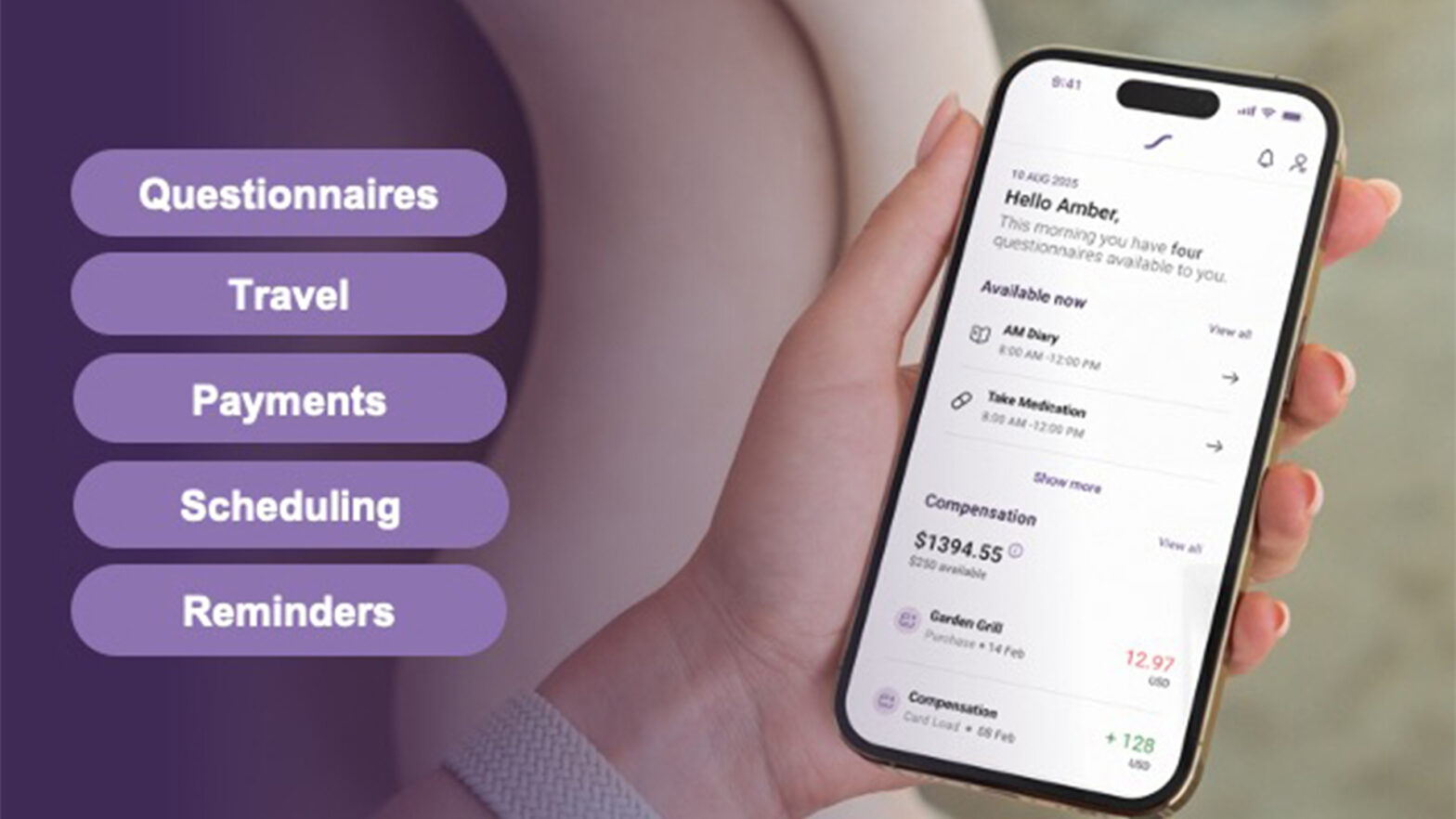
Technology like patient portals allows individuals to view and pay their bills online, message their provider, and adjust notification preferences for email and text messages. The platforms make it easier to share personalized cost estimates with patients and allow them to set up and manage their payment plans. However, considering hackers breached 51 million health care records in the U.S. in 2022, these digital systems must have the proper data security measures in place.
The Benefits of Integrating Financial Wellness into Patient Care
There are several benefits to integrating financial wellness for both patients and providers. For patients, addressing financial concerns helps alleviate anxiety surrounding the costs of treatment and allows them to focus on their recovery. Likewise, they might be more likely to adhere to the prescribed plan, show up to appointments and take medications as they are supposed to.
Open communication about medical costs also fosters a stronger patient-provider partnership and makes them feel more supported. From a business perspective, providers that offer price transparency, financial counseling and various payment options could be more likely to receive payment. A McKinsey study backs this up — 89% of consumers are willing to shop for one category of care, while 33% to 52% would switch doctors for incentives of $25 to $100.
A New Financial Standard for Patient-Driven Care
Financial wellness is not a temporary trend, as medical costs continue to increase. It must become part of patient engagement strategies so individuals receive the best care possible. Some might say that health care professionals should treat financial wellness with the same seriousness as they do people’s conditions.