



The New Standard for Athletic Rehabilitation
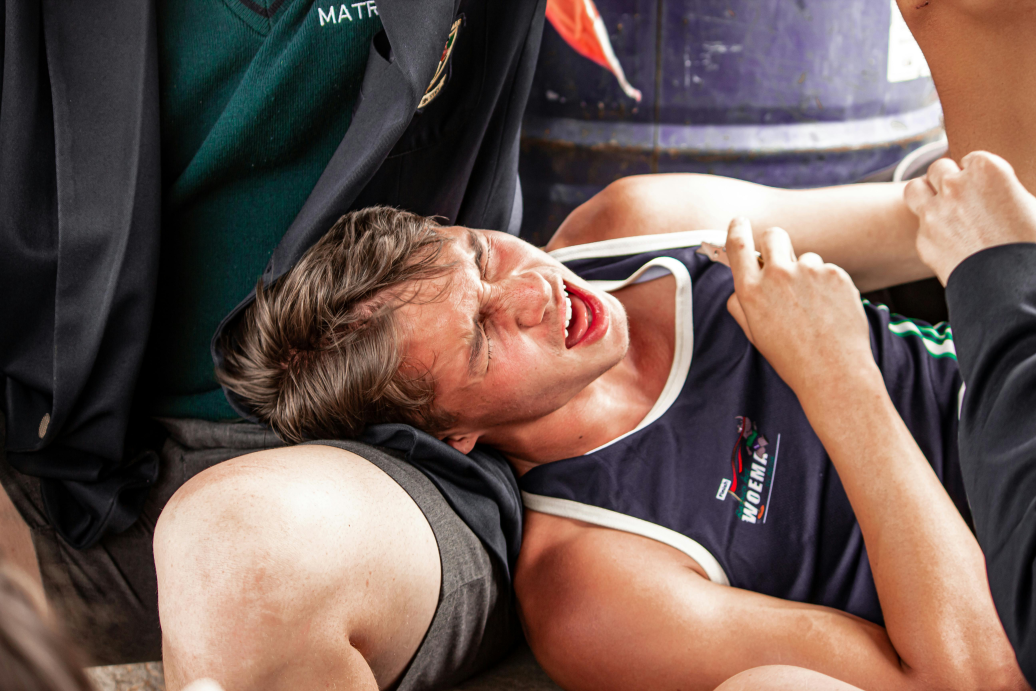
Sports injury recovery in 2025 combines physical therapy with regenerative medicine and wearable technology. Athletes no longer rely on rest and ice alone. Recovery protocols now include platelet-rich plasma injections, real-time movement tracking, and personalized rehabilitation plans based on genetic markers.
Long-term injuries require eight to twelve weeks for initial healing. Full recovery takes twelve to twenty-four months. Athletes who follow comprehensive protocols return to their previous performance level in 78% of cases. Those who use only traditional methods see lower success rates.
Physical Therapy Remains Central
Physical therapists focus on three main areas: strength restoration, flexibility improvement, and proprioception training. Sessions occur three to five times weekly during early recovery phases. Therapists adjust exercise intensity based on pain levels and functional tests.
Chronic overuse injuries need different approaches than acute trauma. Tendinopathies respond to eccentric loading exercises. Ligament injuries require progressive stability work. Muscle strains benefit from graduated resistance training. Each injury type follows specific protocols tested through clinical trials.
R.I.C.E. protocols work for acute soft tissue injuries. Athletes apply ice for twenty minutes every two hours during the first 48 hours. Compression wraps reduce swelling. Elevation promotes fluid drainage. Rest prevents further damage. These basic steps form the foundation before advanced treatments begin.
Sleep Quality and Pain Management During Recovery
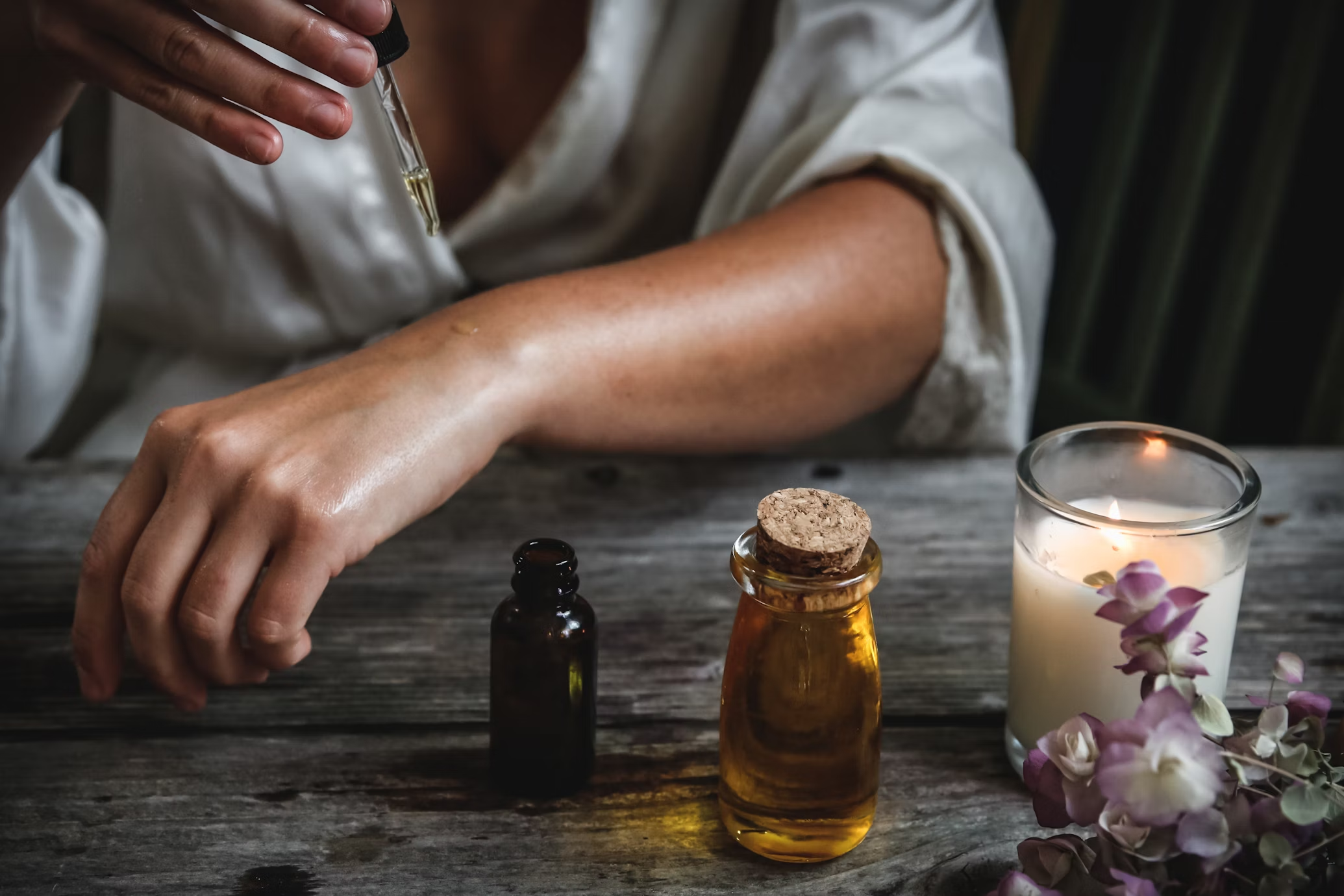
Poor sleep delays tissue repair and increases pain sensitivity in recovering athletes. Many turn to various sleep aids and pain management options. Some athletes use melatonin supplements, magnesium glycinate, or valerian root. Others try CBD oils, topical creams, or gummies with delta 8 for nighttime discomfort. Heat therapy pads and TENS units remain common choices for managing persistent aches that disrupt sleep patterns.
Recovery requires seven to nine hours of quality sleep for optimal healing. Athletes who track their sleep cycles report faster progress than those who don’t. Pain that interrupts sleep creates a negative feedback loop. The body releases fewer growth hormones during fragmented sleep. This slows collagen synthesis and muscle fiber repair. Athletes who address both pain and sleep problems simultaneously return to sport 20% faster than those who focus on daytime rehabilitation alone.
Regenerative Medicine Changes Recovery Timelines
Platelet-rich plasma injections reduce recovery time by 25 to 40 percent in tendon injuries. Doctors extract blood from the patient, concentrate the platelets, then inject them into damaged tissue. The procedure takes one hour. Most athletes need three to five sessions spaced two weeks apart.
Prolozone therapy combines prolotherapy with ozone administration. This treatment works for ligament laxity and joint instability. Patients report pain reduction from 7/10 to 2/10 within six weeks. Soccer players with patellar tendinopathy return to play three months after starting treatment.
Stem cell injections target cartilage damage and severe tendon tears. Early-stage osteoarthritis responds well to these treatments. Athletes avoid surgery in 60% of cases when stem cells are used early. Insurance rarely covers these procedures. Costs range from $3,000 to $8,000 per treatment.
Technology Tracks Every Movement
Wearable sensors measure joint angles, ground reaction forces, and muscle activation patterns. Athletes wear these devices during rehabilitation exercises and sport-specific drills. Software analyzes movement quality and identifies compensation patterns.
Telehealth appointments connect athletes with specialists worldwide. Remote monitoring allows daily check-ins without travel. Therapists adjust programs based on data uploads. Rural athletes have access to the same expertise as those in major cities.
Heart rate variability monitors show recovery status. Low readings indicate the body needs rest. High readings suggest readiness for intense training. Athletes who follow these metrics avoid setbacks 30% more often than those who guess their readiness.
Mental Recovery Parallels Physical Healing
Fear of reinjury affects 40% of recovering athletes. Sports psychologists teach visualization techniques and breathing exercises. Cognitive behavioral therapy addresses negative thought patterns. Athletes who receive psychological support show better adherence to rehabilitation programs.
Goal setting breaks recovery into manageable phases. Short-term targets might include walking without pain or achieving a specific range of motion. Long-term goals focus on sport-specific skills. Written goals increase program completion rates by 25%.
Nutrition Accelerates Tissue Repair
Protein intake should reach 1.6 to 2.2 grams per kilogram of body weight. Collagen supplements support tendon and ligament healing. Vitamin C aids collagen synthesis. Omega-3 fatty acids reduce inflammation.
Hydration affects tissue elasticity and nutrient transport. Athletes need 35 milliliters per kilogram of body weight daily. Dehydrated tissues heal more slowly. Urine color charts help athletes monitor hydration status.
Return-to-Sport Testing Prevents Reinjury
Functional tests determine readiness for competition. Single-leg hop tests assess power symmetry. Y-balance tests measure stability. Isokinetic testing quantifies strength differences between limbs. Athletes must pass all tests before returning to full contact.
Gradual loading prevents tissue breakdown. Athletes start at 50% intensity for one week. They increase by 10% weekly if symptoms don’t return. This progression takes eight to twelve weeks for most injuries.
The Reality of Recovery
Full recovery means different things to different athletes. Professional players define success as returning to elite competition. Recreational athletes might accept modified activity levels. Age, injury severity, and personal goals influence outcomes.
Some athletes never reach pre-injury performance levels. Cartilage damage and certain ligament injuries have permanent effects. Honest discussions about expectations prevent disappointment. Alternative activities might become necessary for long-term joint health.
Recovery costs add up quickly. Physical therapy sessions cost $100 to $200 each. Advanced treatments reach thousands of dollars. Time away from work affects income. Athletes should plan financially for extended rehabilitation periods.
Conclusion
Making a full recovery from a long-term sports injury requires more than rest—it demands a holistic approach that blends physical therapy, regenerative medicine, technology, nutrition, and psychological support. Advanced treatments such as platelet-rich plasma, stem cells, and wearable monitoring devices accelerate healing, but traditional methods like quality sleep, R.I.C.E., and gradual load management remain equally important.
Success depends on setting realistic goals, addressing both physical and mental barriers, and tailoring treatment to personal circumstances. With professional guidance and consistent effort, athletes can reduce pain, regain strength, and return to performance—often with improved habits that protect long-term joint health.
FAQs
1. How long does it take to recover from a long-term sports injury?
Most long-term sports injuries require 8–12 weeks for initial healing, but full recovery can take 12–24 months depending on severity, treatment methods, and adherence to rehabilitation.
2. Do regenerative therapies like PRP or stem cells really work?
Studies suggest platelet-rich plasma and stem cell injections may shorten recovery times and reduce pain, especially in tendon and cartilage injuries. However, results vary, and insurance often does not cover these procedures.
3. How important is sleep in sports injury recovery?
Very important. Poor sleep slows collagen synthesis, reduces growth hormone release, and increases pain sensitivity. Athletes who manage both sleep and pain effectively recover faster than those who only focus on daytime rehabilitation.
4. Can technology help prevent reinjury after recovery?
Yes. Wearables and heart rate variability monitors track readiness and detect compensation patterns. Athletes who use these tools are less likely to experience setbacks compared to those who rely on guesswork.