






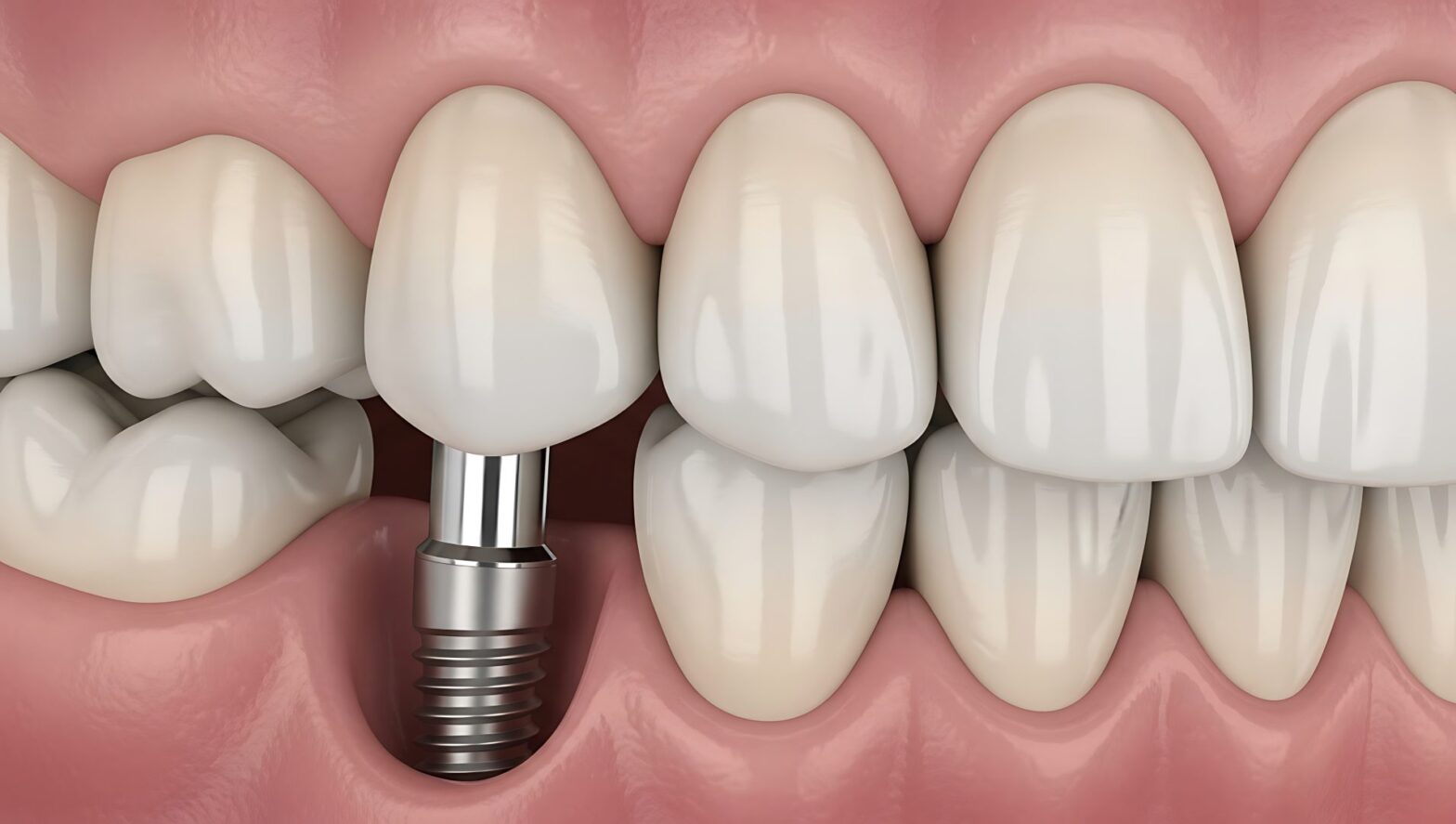
Implant dentistry has transformed how dental professionals restore missing teeth. Patients expect treatments that look natural, last long, and improve oral health. New tools and methods are changing how dental services address tooth loss, gum disease, and bone loss. This article explains the latest innovations in implant dentistry and how they are shaping patient care.
Advances in Implant Materials and Design
Dentists are improving implant design and materials to increase strength, shorten recovery, and create a more natural look.
More Durable and Natural-Looking Implants
Modern implants use biocompatible materials that connect well with bone. They are also shaped to match natural teeth, giving patients both confidence and function.
Endosseous Implant Improvements
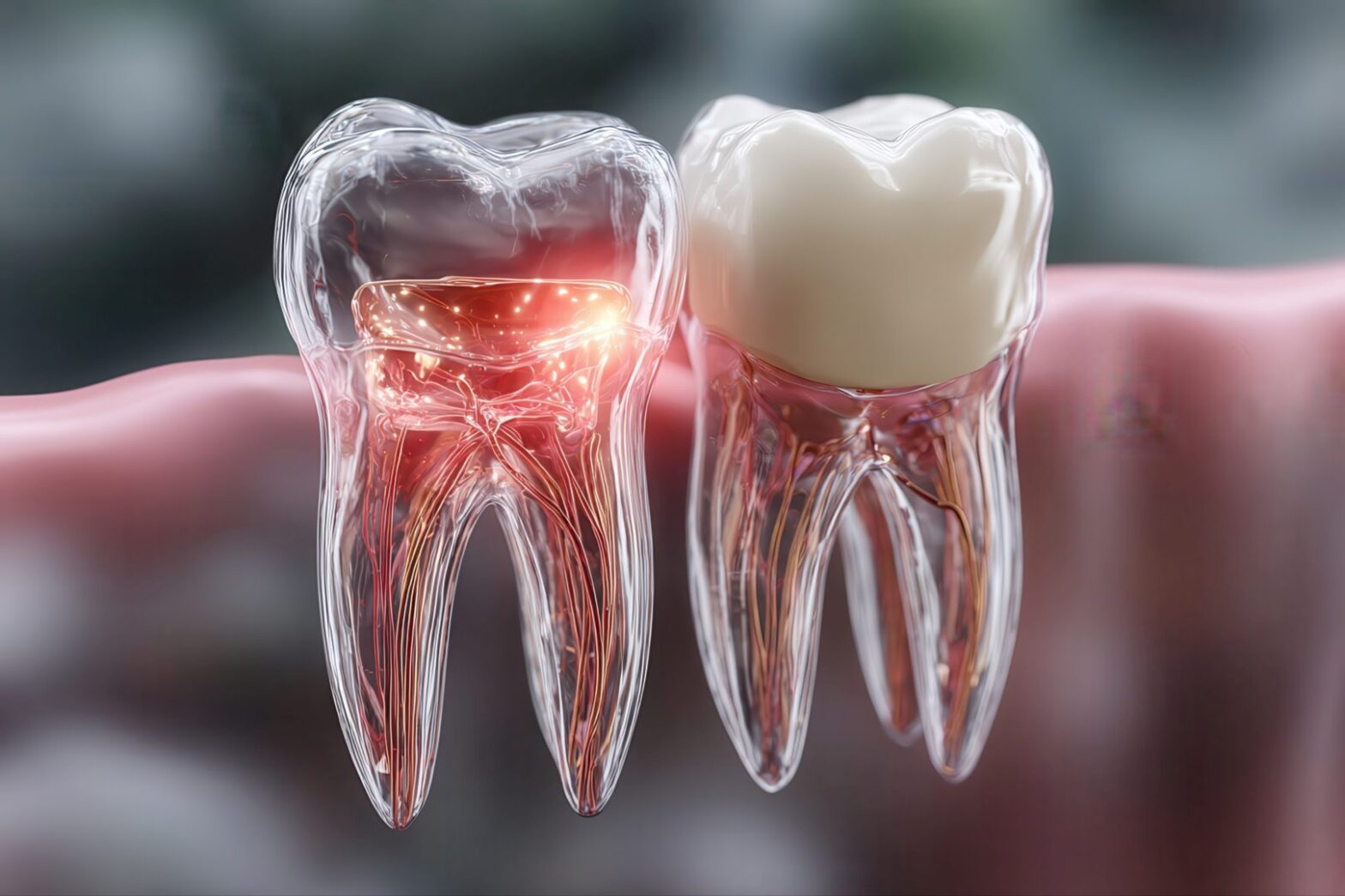
Endosseous implants, placed directly in bone, now feature advanced surface textures and coatings. These upgrades encourage faster bone growth, reduce healing time, and improve stability. Patients often worry about whether their implants will stay strong over time, and expert guidance can help ease those concerns. According to dental implants specialist Dr. Balogh and other experts, focusing on stability and long-term success is what makes new implant designs effective for both function and patient comfort.
Digital Workflows in Implant Dentistry
Digital systems have become part of everyday implant treatment. They give dentists more accuracy and make the process smoother for patients.
3D Imaging and Intraoral Scanning
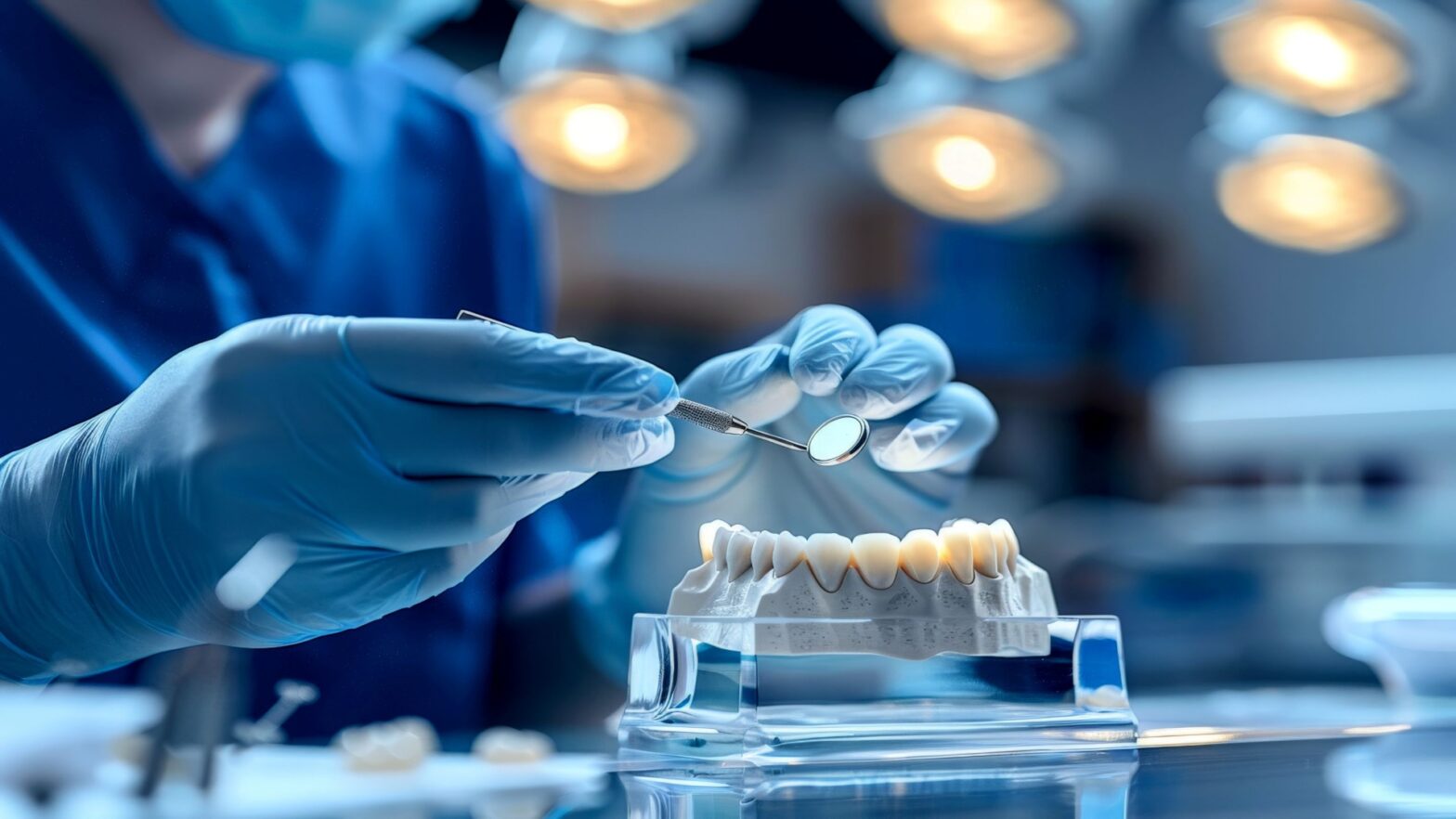
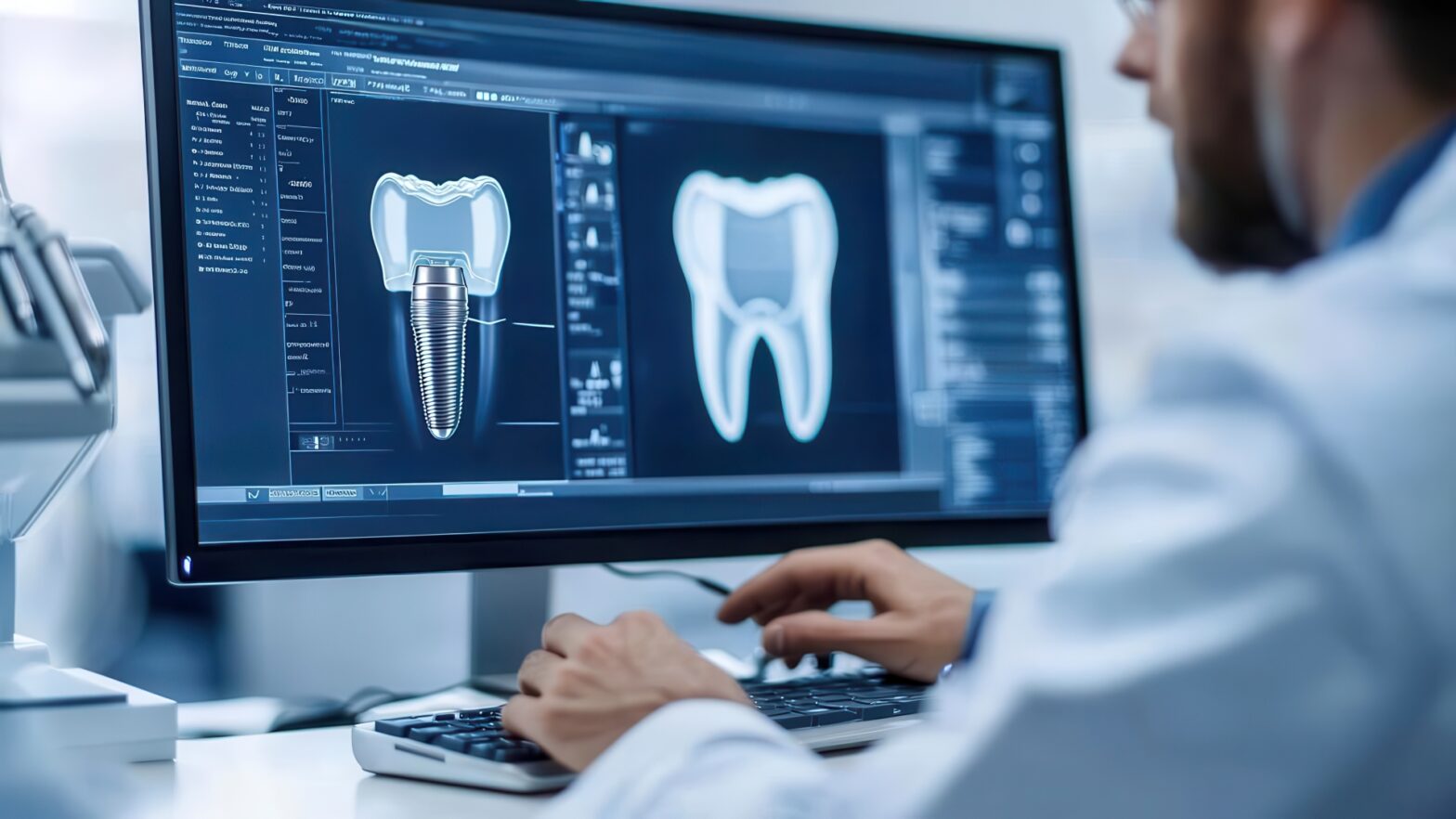
3D imaging and scanning replace older impressions that were messy and uncomfortable. These tools give dentists a complete view of bone, gums, and teeth, which makes treatment safer and more precise.
Virtual Surgical Guides
Digital planning allows dentists to design surgical guides that direct implant placement. These guides reduce errors, shorten surgery time, and improve comfort for patients.
Benefits of Digital Systems
Digital workflows save time for both dentists and patients. They improve planning, reduce stress, and support better long-term care of dental implants.
Managing Bone Loss and Gum Recession
Healthy bone and gums are vital for implant success. New approaches in different implant types help rebuild and protect these structures before and after treatment.
Bone Grafts and Regenerative Dental Medicine
Advanced grafting materials and growth factors now restore lost bone. These methods prepare the mouth for implants and improve long-term stability.
Treating Gum Disease and Gum Recession
Since gum disease is a leading cause of tooth loss, treating it before surgery is a priority. Dentists also manage gum recession with techniques that restore healthy tissue, which helps support implants.
Patient-Centered Implant Treatment
Dental practices today are focusing on patient comfort as much as technical success.
Less Invasive Surgery and Sedation Options
Minimally invasive oral surgery techniques are making recovery easier. When paired with sedation, they help patients feel more relaxed during treatment.
Restoring Function with Implant Prosthodontics
Implant prosthodontics ensures implants not only look natural but also restore chewing and speaking ability. This balance improves both appearance and quality of life.
A More Comfortable Patient Journey
From digital planning to shorter recovery times, practices now emphasize care that reduces stress. Clear communication and support throughout treatment make patients more confident in their choices.
Reducing Implant Complications
While implants are highly successful, long-term care is still important. Dentists are using better monitoring and structured programs to lower risks.
Early Detection and Maintenance
Regular checkups and digital scans detect small problems before they become serious. Many practices also offer ongoing maintenance programs that include professional cleaning and gum care. These steps help keep implants stable for decades.
Training and Collaboration in Oral Implantology
The success of implant dentistry also depends on well-trained professionals and effective teamwork.
Expanding Skills and Education
More dentists are studying oral implantology, allowing them to provide implant services directly in their practices. Ongoing education helps them stay current with new tools and techniques.
Working Across Dental Services
Collaboration among oral surgeons, prosthodontists, and other specialists ensures better outcomes. Each professional adds expertise that supports implant success.
The Future of Implant Dentistry
Research is pointing to new changes that may improve both patient experience and treatment success.
Artificial Intelligence and Robotics
AI and robotics are being tested in implant surgery. These systems may improve accuracy, shorten procedures, and reduce patient discomfort.
New Materials for Better Healing
Next-generation implants may use advanced materials that heal faster and resist gum disease. These improvements could increase success rates and reduce complications.
Making Implants More Accessible
As treatments become more efficient, costs may decrease. This would make implants a realistic option for more patients who need them.
Conclusion
Implant dentistry continues to advance with stronger materials, digital systems, and a greater focus on patient comfort. These innovations are shaping the future of dental restoration, offering faster healing, longer-lasting results, and more accessible care. Dental professionals who adopt these changes will be able to provide higher-quality treatment and better outcomes for their patients.