






Paul Christie, Co-Founder and CEO of Tachmed
At-home diagnostics are breaking down barriers by making healthcare more universal than ever before. Once seen as a convenience, these tools are rapidly proving to be one of the most scalable, sustainable answers to some of healthcare’s deepest, most persistent challenges – particularly when you combine aging populations with limited resource.
For millions of people, access to healthcare is inconsistent and – for many – is essentially non-existent. At-home diagnostics can effectively bridge this gap and place actionable health insights directly into the hands of individuals, all while shifting approach to health management from reactive to proactive on a global scale.
Let’s explore:
Convenience that strengthens care
The Covid-19 pandemic was a catalyst for bringing vital at-home diagnostics to the fore, with the ability to test, manage, and monitor without leaving the house becoming a real lifeline for millions. The UK distributed more than one billion at-home lateral flow tests during this time, demonstrating the feasibility of mass patient-led health understanding, which has since morphed into an expectation across the board. The public steadily got used to daily testing.
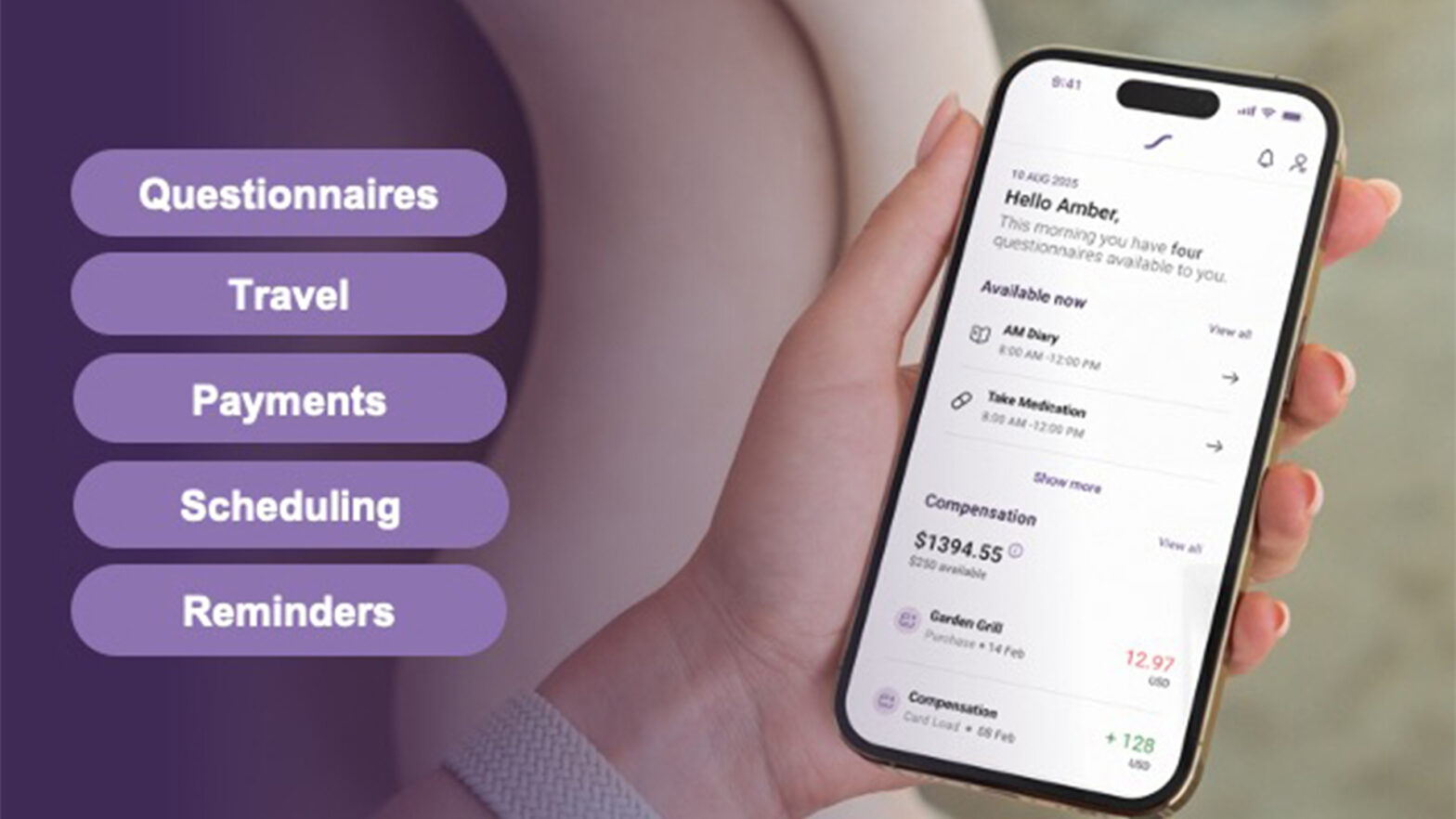
Patients now increasingly demand more user-friendly solutions. Products that seamlessly connect their personal observations of vitals or ongoing symptoms with their doctors and specialist teams, which explains McKinsey’s estimates that the global at-home diagnostics market could reach $45 billion in value by 2030.
Ultimately, consumers want more accessible, immediate care, appreciating that at-home diagnostics tools and technologies give them back control.
Data that drives better decisions
If real-time data were more frequently and reliably fed into our healthcare systems as standard practice through at-home diagnostics, the same doctors can dedicate the time they would have spent simply catching up with patients and obtaining momentary data on actual analysis, with systems immediately flagging any anomalies for speedy and impactful intervention.
In this sense, at-home diagnostics is as much about healthcare system quality as it is about convenience. Regular streams of real-time data not only accelerate accurate diagnoses to ensure the right treatment can be given from the outset, thus preventing costly complications from developing, but also help to ensure that patients actually stick to prescribed treatment plans. Continuous glucose monitoring (CGM), for example, has been shown to improve long-term health outcomes by empowering patients with daily insights that they can use to see the live impacts of their actions on their health. This drives better understanding and acceptance of long-term conditions than disconnected explanations from a doctor in isolation, pushing people to recognise the importance of both proactive, preventative daily habits and ongoing adherence to prescription medications.
Sharing data and goals across political divides
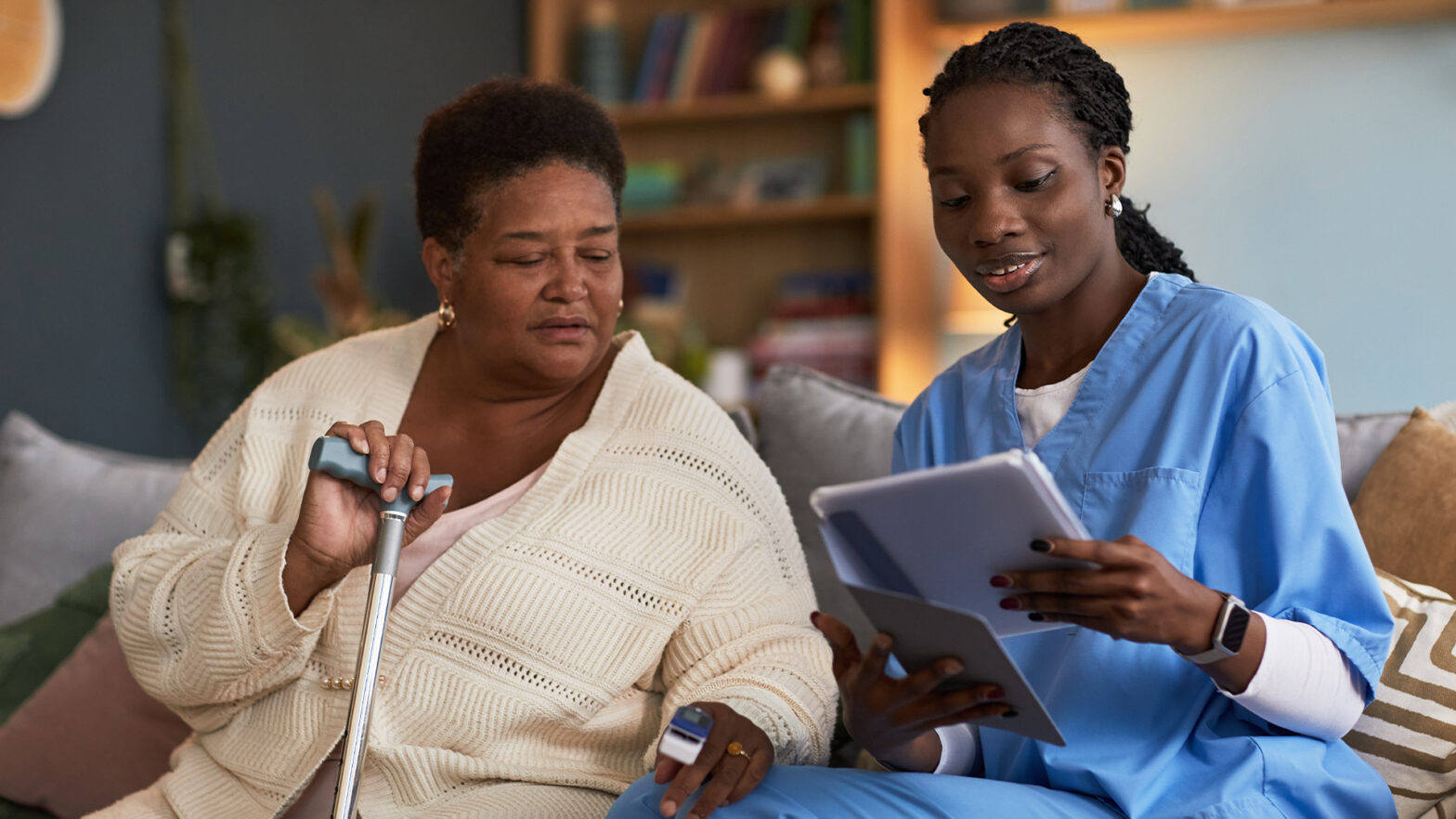
Of course, in line with legislation and frankly good practice, patients must agree for these insights to be shared with their GP and the wider healthcare system to derive full benefit. One of the greatest advantages of at-home digital health devices is that they feed patient data directly back to the electronic system. When all doctors, working across all conditions and teams, gain shared access to this information, patients gain a much more complete, personalised healthcare service, which views them and their health as a whole, rather than treating them as disparate parts.
With so much to be gained, health data sharing has naturally come into the spotlight in both the US and UK. The NHS’s Data Saves Lives strategy commits to using integrated data to reduce wait times, improve cancer detection, and support NHS research. Meanwhile, the Trump administration recently announced a new healthcare data-sharing ecosystem, highly debated because it’s backed by more than 60 private-sector companies, including Amazon, Google, and other Big Data giants. Critics fear patient information could be misused for things like profit gain and insurance purposes, underlining a need for rapid governance action. Yet, regardless of where you stand on this specific plan or on the political spectrum, one truth remains: governments are now recognising the vital role that integrating patient-generated health data can play in saving our flailing healthcare systems. And that’s something none of us can afford to ignore.
Leading the way to a healthier system
There may be a lot to disagree on when it comes to how healthcare data is best shared. The patient should carefully weigh the trade-off between data-led online services, cost and speed of treatment, However, the power of data-led healthcare, bolstered by use of at-home diagnostics, remains indisputable – promising better outcomes, shorter wait times, reduced costs, more resilient systems, and improved allocation of resources. And the beauty of it all is that – with the right diagnostics solution – this can be achieved without patients even needing to leave their own house.
This is an unprecedented chance to share insights across a new connected, collaborative era of care. If we want to prevent our people, institutions, and societies from collapsing under the weight of sickness, we must embrace as many at-home interventions as possible, integrating the data these tools and systems provide into everyday practice to build a stronger backbone for the future of health.