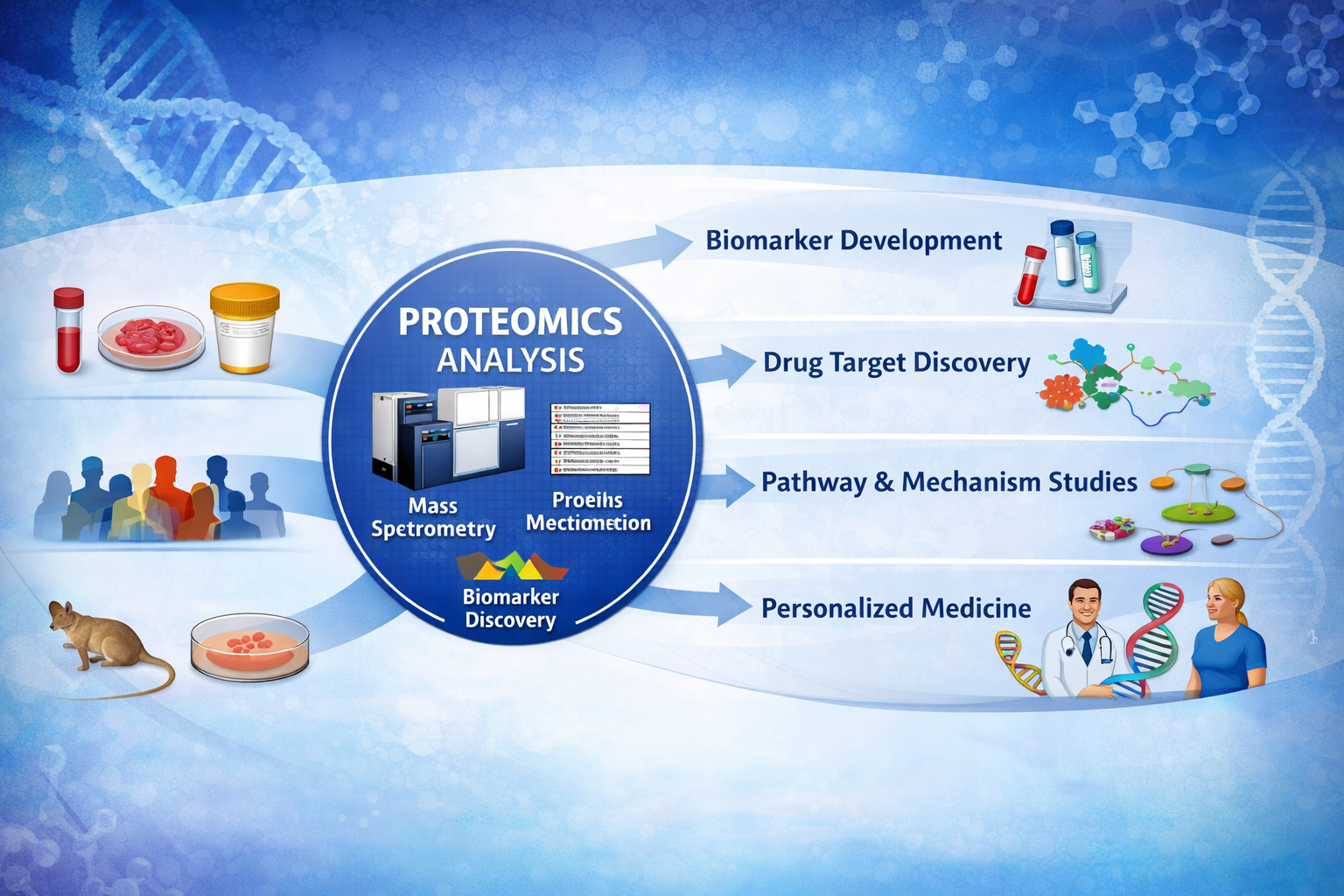









Clinical research has become one of the most dynamic and strategically important areas of the pharmaceutical industry. As therapies grow more complex and regulatory expectations increase, clinical trials are no longer confined to single regions or traditional operational models. Instead, they are global, data-driven, and increasingly dependent on specialized expertise that bridges science, technology, and compliance.
In this evolving environment, pharmaceutical companies face mounting pressure to accelerate development timelines without compromising patient safety or data integrity. The challenge is not only scientific but operational: managing multiple stakeholders, regulatory frameworks, and datasets across borders requires a level of coordination that few sponsors can handle alone.
Why clinical trials are becoming more complex than ever
Modern clinical studies are shaped by a combination of scientific ambition and practical constraints. Precision medicine, rare disease research, and advanced biologics demand highly specific patient populations and sophisticated trial designs. At the same time, regulators expect greater transparency, real-time oversight, and robust documentation throughout the entire study lifecycle.
Several factors are driving this growing complexity:
- The rise of multinational and multi-site trials
- Increasing reliance on digital data capture and remote monitoring
- Stricter regulatory requirements related to patient safety and data protection
- Higher expectations for statistical robustness and reproducibility
To navigate these challenges, sponsors increasingly rely on external partners with deep operational and regulatory expertise. A specialised CRO pharma partner can provide the infrastructure and experience needed to manage these demands efficiently, allowing pharmaceutical companies to focus on scientific innovation rather than administrative burden.
This shift reflects a broader transformation in the industry. Clinical research is no longer viewed as a linear process but as an interconnected system where data, operations, and compliance must function seamlessly together.
The operational backbone of successful clinical development
Behind every successful clinical trial lies a complex operational framework. While study protocols define what should be done, it is execution that determines whether a trial delivers meaningful and credible results. Clinical operations teams are responsible for translating theory into practice, ensuring that every site, investigator, and dataset aligns with the study objectives.
Key operational responsibilities typically include:
- Trial planning and feasibility assessments
- Site selection, initiation, and ongoing coordination
- Patient recruitment and retention strategies
- Monitoring, risk management, and issue resolution
As trials become more decentralised and geographically diverse, operational consistency becomes critical. Differences in local regulations, healthcare systems, and cultural expectations can introduce variability that affects both timelines and data quality. Experienced research partners help mitigate these risks by applying standardised processes adapted to local contexts.
Core elements of strong clinical operations
- Centralised oversight combined with local expertise
- Clear communication channels between sponsors and sites
- Proactive identification of operational risks
- Continuous performance monitoring and quality control
This structured approach not only improves efficiency but also strengthens regulatory readiness. Well-managed operations make audits smoother, submissions clearer, and regulatory interactions more predictable.
Data as a strategic asset in clinical research
Clinical trials generate vast amounts of data, ranging from patient-reported outcomes to complex laboratory results. Managing this information is no longer a purely technical task; it is a strategic function that directly influences decision-making and regulatory success.
High-quality data management ensures that information is:
- Accurate and consistent across all trial sites
- Secure and compliant with data protection regulations
- Accessible for interim analysis and final reporting
- Ready for inspection by regulatory authorities
Advanced digital platforms now enable near real-time visibility into trial performance. Sponsors can track recruitment progress, safety signals, and protocol adherence as the study unfolds. This level of transparency allows for faster adjustments and more informed strategic decisions.
However, technology alone is not enough. Human expertise remains essential for interpreting data patterns, resolving discrepancies, and ensuring that statistical analyses reflect clinical reality rather than purely numerical trends.
Balancing innovation, compliance, and patient trust
One of the defining challenges of modern clinical research is balancing speed with responsibility. Accelerated development pathways and adaptive trial designs offer tremendous opportunities, but they also require rigorous oversight to maintain ethical standards.
Patient trust is central to this equation. Participants expect transparency, safety, and respect for their personal data. Regulators, in turn, demand evidence that these expectations are met consistently across all study sites.
To achieve this balance, clinical research organisations emphasise:
- Strict adherence to Good Clinical Practice (GCP)
- Robust informed consent processes
- Continuous safety monitoring and pharmacovigilance
- Clear documentation and audit trails
These measures protect not only patients but also the credibility of the research itself. Studies that demonstrate ethical integrity are more likely to gain regulatory approval and public acceptance.
Evolving priorities in global clinical research
- Integration of decentralised and hybrid trial models
- Greater focus on patient experience and engagement
- Increased use of predictive analytics for trial optimisation
- Closer collaboration between sponsors, investigators, and operational partners
Together, these trends are reshaping how clinical research is planned and executed, pushing the industry toward more flexible and patient-centric models.
The future of pharmaceutical clinical development
As the pharmaceutical industry continues to innovate, clinical research will remain a critical gateway between scientific discovery and patient care. The success of future therapies will depend not only on laboratory breakthroughs but on the ability to design, manage, and execute complex studies efficiently and ethically.
Operational expertise, data intelligence, and regulatory knowledge are becoming inseparable components of clinical development. Organisations that can integrate these elements effectively will be best positioned to navigate an increasingly competitive and regulated landscape.
The global clinical research ecosystem is moving toward collaboration rather than isolation. By combining scientific ambition with operational discipline and ethical responsibility, the industry can deliver therapies that are not only innovative but also safe, reliable, and accessible to patients worldwide.