




Dentistry has entered a new era of precision and performance. The secret behind this progress lies in biomaterials, which support highly precise, durable, and natural-looking dental restorations.
Building on decades of material innovation, these solutions have evolved beyond metal fillings and dental porcelain crowns. They’re designed to strengthen teeth, improve comfort, and enhance the function and appearance of every restoration.
What Are Dental Biomaterials?
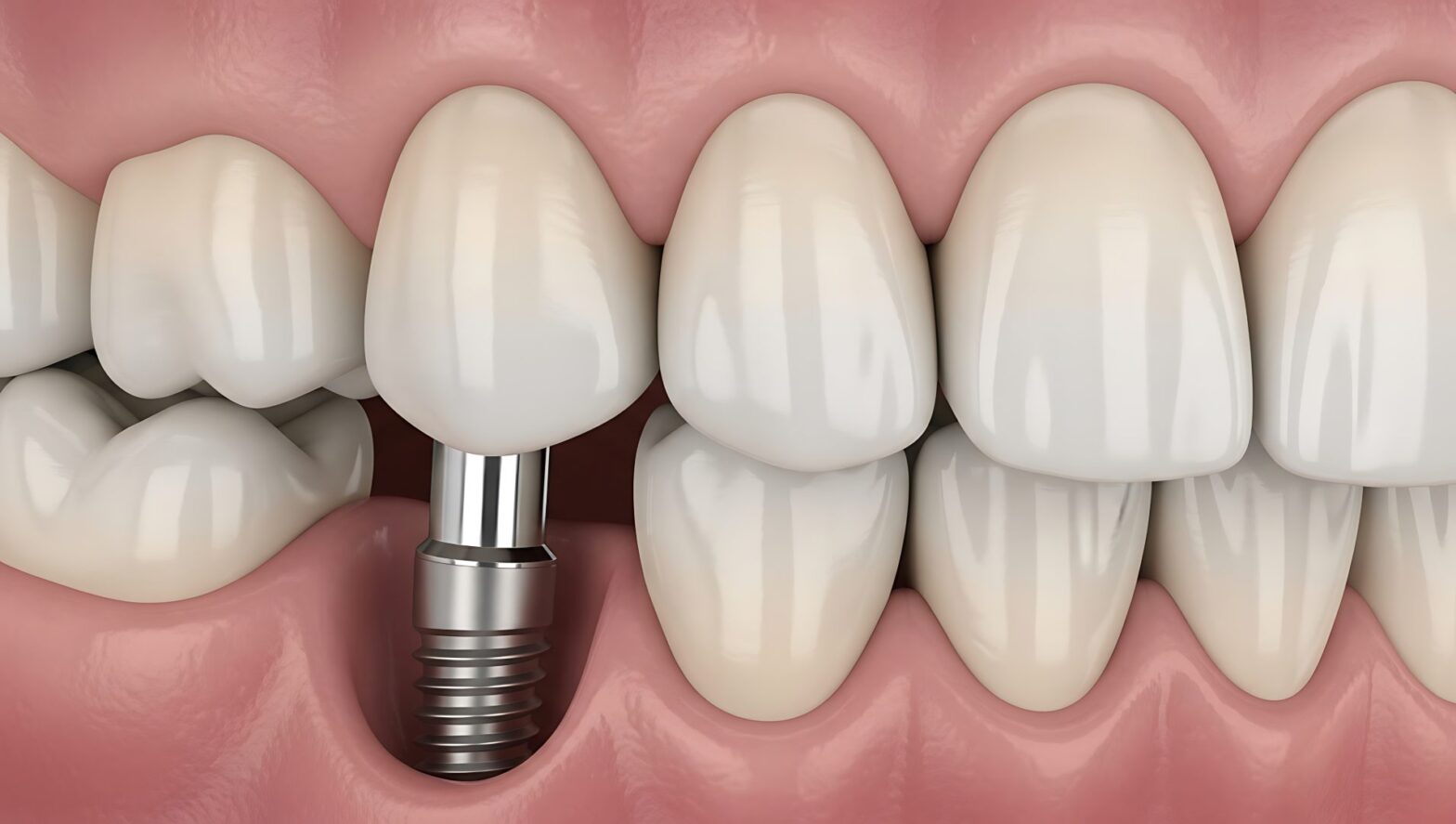
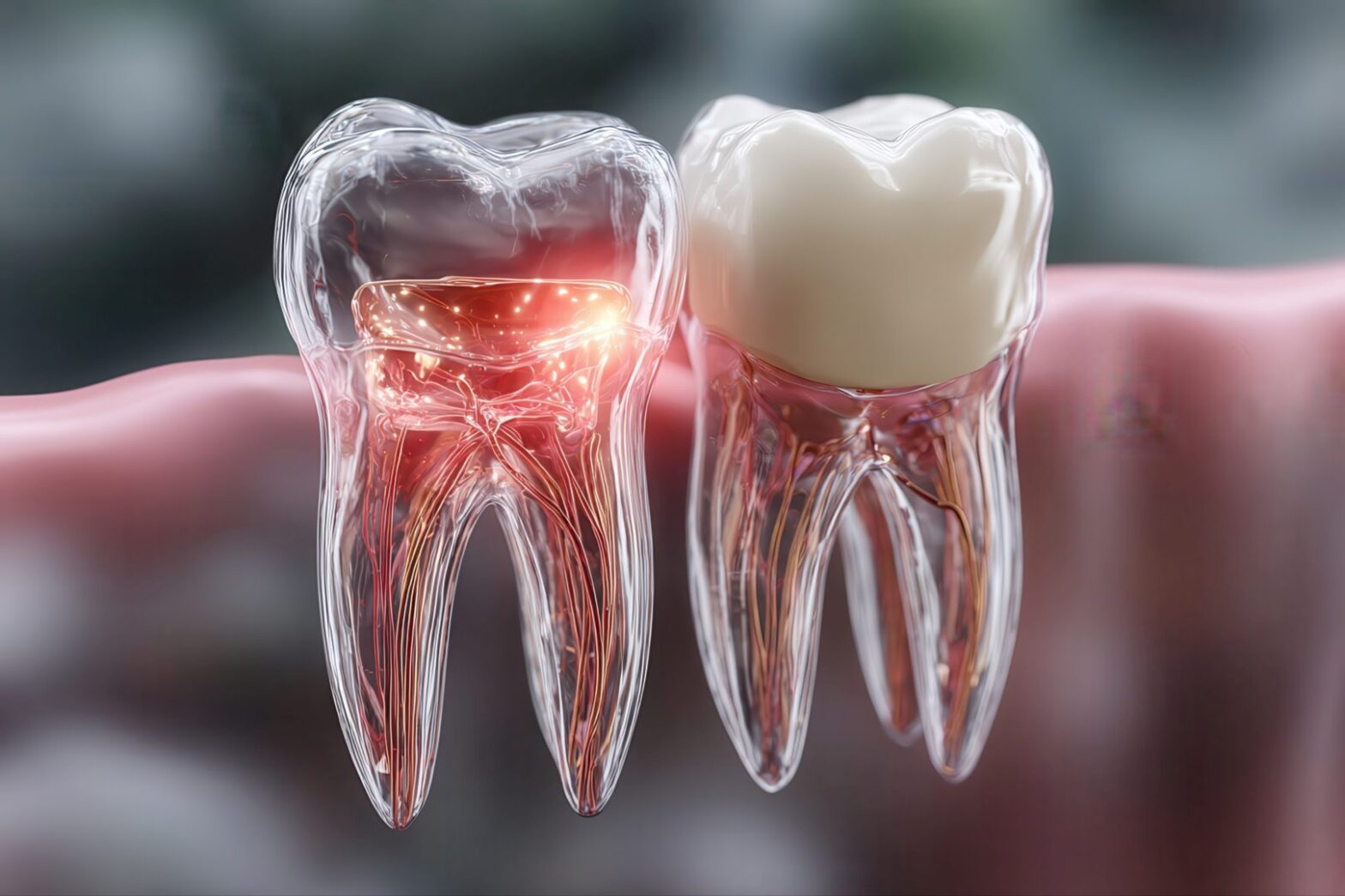
Biomaterials are engineered to work safely within the body. In dentistry, they’re used to repair or replace parts of a tooth that have been damaged or lost. You’ll find them in fillings, crowns, bridges, titanium implants, and other dental devices that restore function and appearance.
Dental materials have evolved from simple mechanical repairs to scientifically designed solutions that restore both function and comfort. Early options, such as dental alloys, stainless steel, and dental porcelain, were durable but limited. While they provided strength, they could wear down, feel uncomfortable, or react to temperature changes.
Modern biomaterials combine durability and biocompatibility, protecting what remains of the natural tooth while supporting long-term oral health.
Modern Biomaterials and Their Advantages
Modern biomaterials have dramatically improved the quality and reliability of dental restorations. As biocompatible materials, they offer strength, safety, and predictable long-term performance while working naturally with the body.
Nanocomposites
Nanocomposites contain nano-sized filler particles that increase strength and resistance to wear while maintaining a smooth surface. They blend naturally with surrounding tooth structure, creating restorations that look and feel real. Dentists use them for both front and back teeth because they perform well under pressure and retain their polish over time.
Zirconia

Zirconia is a high-strength ceramic valued for its durability and compatibility with the body. It’s used for crowns, bridges, and titanium dental implants that must withstand significant biting forces. Its toughness and adaptable color make it a reliable, metal-free option for long-lasting restorations.
Lithium Disilicate
Lithium disilicate is a glass-ceramic prized for its strength, translucency, and precise fit. Because it combines durability with lifelike aesthetics, it’s ideal for crowns, veneers, and inlays. Its compatibility with computer-aided design and computer-aided manufacturing (CAD/CAM) systems allows dentists to create accurate restorations with consistent, natural-looking results.
You might wonder how these biomaterials make such a difference in your daily life. In Southern California, where innovation in restorative care is well-established, this Torrance dentist explained, “Modern materials don’t just fix teeth. They help you eat, speak, and smile with confidence again.”
That kind of progress reflects how far restorative dentistry has come. Advances in bonding agents and dentin adhesives now allow dentists to preserve more of your natural tooth while creating restorations that are stable and long-lasting.
Future Innovations in Dental Biomaterials
Dentistry continues to move toward materials that restore and promote oral health. Researchers are developing smart biomaterials that respond to what’s happening inside your mouth. Some can release helpful minerals when they detect acid or bacteria, reducing the risk of decay and protecting surrounding dental tissues.
Other innovations focus on regenerative materials that support the body’s natural healing process rather than simply replacing lost structure. A 2025 study titled “Regenerative Strategies in Dentistry: Harnessing Stem Cells” highlights how stem-cell-based biomaterials are being used to encourage natural repair of tooth and bone structures.
These advancements point to a future where restorations could actively promote healing and maintain balance within the oral cavity.
Ongoing Challenges and Outlook
Even with remarkable progress, several challenges continue to shape the future of dental biomaterials:
- Cost and accessibility: Advanced materials can be expensive to develop and use, limiting access for many patients.
- Long-term performance: Some newer materials require more research to confirm their longevity and safety.
- Sustainability: Developing materials that perform well while minimizing environmental impact remains a key goal.
As these challenges are addressed, biomaterials are expected to become more durable, affordable, and sustainable. Collaboration between researchers and clinicians is driving the next generation of dental restorative materials, focused on performance and patient well-being.
Final Thoughts
Advances in biomaterials have redefined regenerative dentistry by combining science, technology, and patient care. Materials once chosen only for strength are now designed to interact safely with the body, restore natural function, and last longer than ever before.
As innovation continues, the field is moving toward solutions that adapt, protect, and even help tissues heal. Each step forward brings the field closer to a future where restorations are as reliable and responsive as the teeth they replace.