




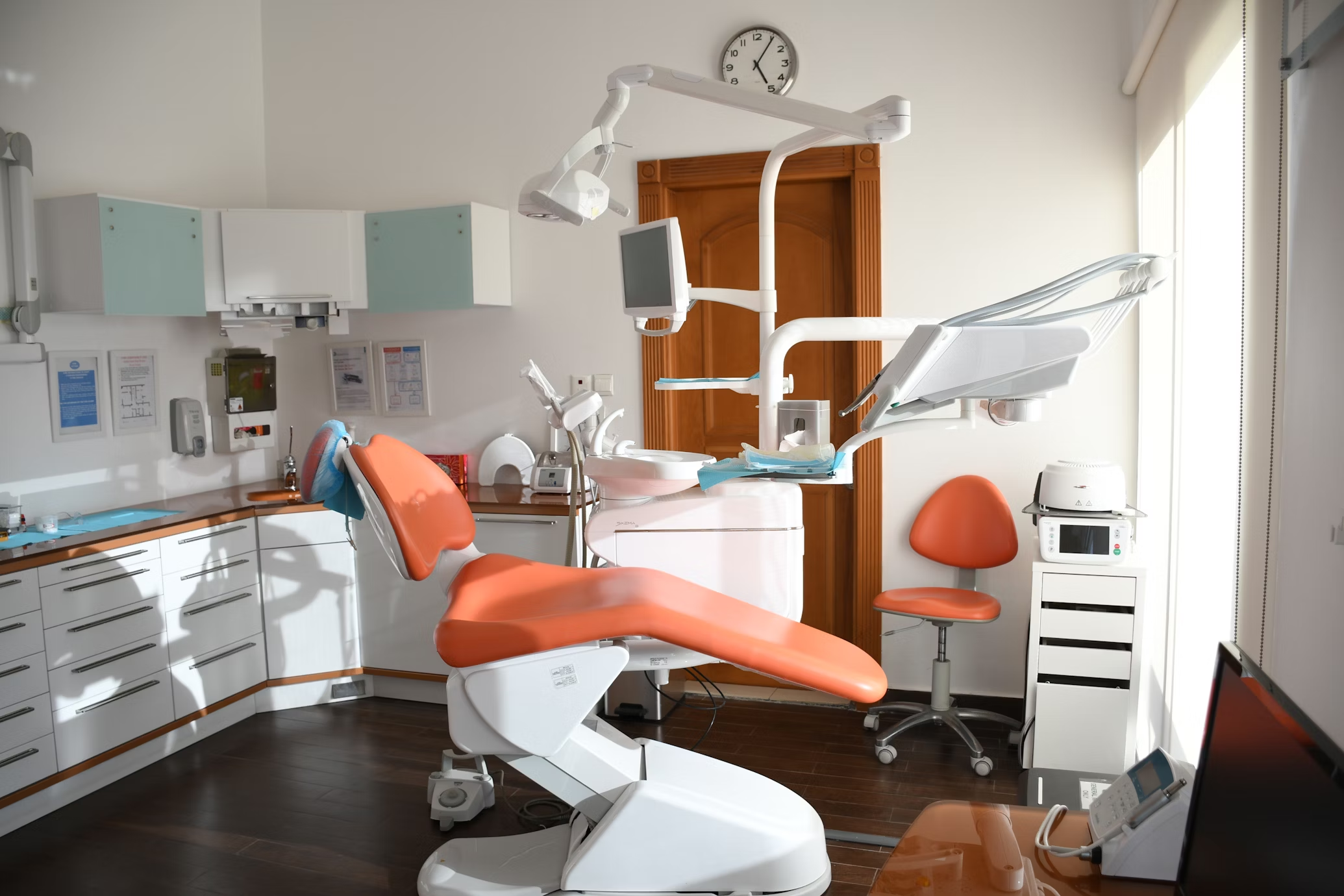


Health care is evolving from a strictly clinical model to a more patient-centered one. As such, delivering comfort has become a top priority. This new direction directly influences Hospital Consumer Assessment of Healthcare Providers and Systems scores, enhances recuperation and improves staff efficiency. Specialised components are critical investments in providing the best possible care and operational performance.
The following are some of the patient comfort needs most often cited as critical by healthcare providers and the patients they attend to — as well as an example of a top-rated leader in each field for providers looking for a partner for their own practice’s integration, based on criteria such as user ratings and years of experience in the field.
1. Advanced Entertainment and Distraction Systems
A favorite television show or mindless background noise can reduce patient anxiety, boredom and isolation, providing a much-needed distraction when met with uncomfortable procedures and recoveries. High-quality entertainment delivers a sense of normalcy and control when patients find themselves in unfamiliar and oftentimes scary surroundings.
Facilities should look beyond basic cable and opt for various streaming apps, movies, music and gaming systems. The interfaces must be user-friendly for multiple demographics and levels of technological finesse, with high-definition video quality — this is especially important for those with vision and hearing impairments.
Most importantly, entertainment systems must integrate seamlessly with patient education platforms and electronic health records.
Best Provider for Patient Video Entertainment and Distraction: Z-Band
Leaders looking for a top-rated video system for health care are first and foremost seeking scalable and reliable technology that creates a seamless experience. Z-Band is a first-choice video system distribution provider for over 500 health care establishments nationwide.
Z-Band centers itself around two main offerings — Z-TV and an advanced internet protocol television system managed by Z-Flex. Z-TV is an active video distribution system that uses a facility’s existing network cabling to broadcast radio-frequency video signals. Its self-balancing architecture streamlines installation and future adaptations.
Z-Flex transforms displays into a one-way communication tool, enabling video-on-demand, digital signage and alert notifications. It is a versatile and integrated solution for health care environments requiring superior content delivery.
2. Therapeutic Seating and Smart Bedding
Surgery and illness can put a lot of wear on a person’s body. A comfortable bed and chair are critical to a patient’s physical well-being, preventing ulcers and aches and ensuring quality rest. Furniture is also essential for visiting family members and friends.
Health care facilities should prioritise ergonomic design, durability and easy-to-clean materials. Innovative features, such as sensors that monitor vital signs, are specifically designed for clinical environments. Sleeper chairs and recliners are also ideal for keeping visitors comfortable during overnight stays.
Best Provider for Seating and Bedding: Stryker
Stryker is a well-known supplier of smart bedding technology targeting patient safety and clinical efficiency. Its ProCuity bed series serves as an integrated care platform, featuring fall-prevention components, a low-height design, and wireless connectivity that sends bed status and alarm activity to the hospital’s information system.
The Isolibrium PE mattress is another option for alleviating pressure injuries, while its bariatric and maternity beds support obese populations and new moms.
Focusing on a connected, data-driven system that minimises patient risk while easing caregiver responsibilities makes these solutions a viable choice for modern health care facilities.
3. Intuitive Wayfinding and Digital Navigation
Hospitals and other large health care facilities can be difficult to navigate, leading patients to become anxious or miss appointments. Additionally, nurses and other staff may be frequently interrupted to provide directions.
Wayfinding and digital navigation systems improve the patient experience by delivering straightforward, intuitive navigation. Solutions could include clear overhead signage, interactive digital kiosks and mobile applications with step-by-step directions to the facility or the exact room.
Best Provider for Wayfinding and Navigation: 22Miles
22Miles offers wayfinding and navigation infrastructure for health care facilities using its powerful and user-friendly content management system. Hospitals can better control their signage, enabling staff to reroute without requiring information technology intervention.
The provider simplifies installation by generating intricate maps from building floor plans, eliminating the need for expensive site visits. The platform seamlessly merges with hospital systems to automate calendars and emergency notifications, ensuring information is accurate and up to date.
Its solutions contribute to a calmer medical setting with less confusion. Patients will feel less anxious as they navigate each floor and department, and everyone benefits from a safer health care journey.
4. Seamless Patient-to-Staff Communication Systems
Effective communication is critical in any clinical environment, empowering patients and enhancing their safety and satisfaction. When patients can speak directly with staff about their needs, from simple requests to urgent matters, it improves workflows and responsive care.
Health care leaders should opt for integrated solutions, including digital whiteboards in each patient room, pillow speakers with several functions and mobile voice communication systems that connect patients to their care team.
Best Provider for Communication Systems: Rauland
Rauland provides the scalable Responder Enterprise platform, which enhances communication between patients and caregivers. The system automates workflows and generates actionable insights across multiple domains to improve clinical outcomes, including staff coverage, response time, patient behaviors and protocol adherence.
The system makes clinician and nurse availability more visible across digital devices, while audible and visible alerts across zones raise awareness and coordination during emergency events.
Rauland provides services, installation, training and support around the clock through its international network of expert technicians, certified distributors and engineers.
5. Ambient Environment and Noise Reduction
A quiet, peaceful environment is conducive to healing from sickness or injury. However, in a health care facility, constant beeps, pager sounds and conversations can cause stress, sleep deprivation and patient dissatisfaction.
Hospitals can manage ambient noises through innovative acoustic design elements and quiet-hour protocols. For instance, sound-absorbing ceiling tiles and flooring make a tremendous difference in tempering sound and disruptions, while visitors and staff should remain as quiet as possible during the evening.
Best Provider for Noise Reduction: Cambridge Sound Management
Cambridge Sound Management — a subsidiary of Biamp — specialises in sound masking technology for health care environments. The QtPro and Qt X systems help reduce noise levels and enhance speech privacy, thereby meeting compliance with the Health Insurance Portability and Accountability Act of 1996.
To maintain a quiet space that allows patients to relax and employees to concentrate, sound-masking technology ensures that conversations at a distance of 15 feet or more fade into the background.
Comforting Pillars of a Superior Patient Experience
Comfort essentials in health care settings create the foundation of the ultimate patient experience. They are an investment in a facility’s reputation, as they achieve higher patient satisfaction scores and optimal clinical outcomes. When health care leaders prioritise these elements, they elevate their standard of care and secure a competitive advantage in the medical landscape.